Sclerophrys poweri: Discovering the Fascinating Life of Power’s Toad#
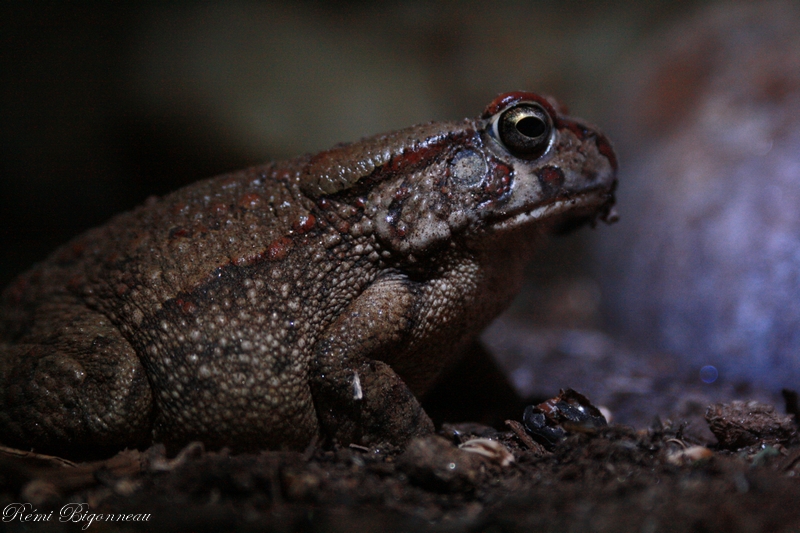
In the tranquil depths of Africa’s riverine forests and marshy savannahs, hidden beneath leaf litter or nestled in muddy hollows, resides a toad whose story often goes unheard—the humble yet remarkable Sclerophrys poweri, commonly known as Power’s Toad. At first glance, this cryptically colored amphibian might not appear eye-catching, its mottled brown and olive skin keeping it well-camouflaged in the dappled shadows of its surroundings. Yet beneath this modest appearance lies a fascinating ecology, an intricate web of interactions, and a quietly vital role within its ecosystem.
Although it may be overshadowed by more charismatic or colorful relatives within the Bufonidae family, Sclerophrys poweri offers insights into evolutionary adaptations, ecosystem health, and the delicate balance between wildlife and human activities. From its intriguing vocal calls to its secretive behaviors, understanding and conserving Power’s Toad is a journey into the heart of Africa’s stunning biodiversity.
Taxonomy and Classification#
The complexity of classifying amphibians often surprises casual nature enthusiasts, as these creatures demonstrate an astonishing range of adaptive diversity. Sclerophrys poweri is no exception. Belonging to the expansive family Bufonidae, known widely as true toads, it shares its lineage with hundreds of species that inhabit diverse environments around the globe. Within Bufonidae, it falls under the genus Sclerophrys, a group recognized for robust bodies, distinctive parotoid glands behind their eyes, and skin frequently covered in wart-like textures.
First described scientifically in the early 20th century, Sclerophrys poweri carries the name of the pioneering herpetologist John Hyacinth Power. The recognition of this species underscored the significant herpetological diversity of Central Africa, a region still yielding new insights even today. Close relatives of Power’s Toad within the genus include species such as Sclerophrys regularis—the African common toad—and Sclerophrys maculata, each providing comparative insights into adaptability and resilience across different African habitats.
Natural Habitat#
Distribution and Range#
Geographically, Sclerophrys poweri primarily inhabits Central African regions, with confirmed records from countries such as Angola, Democratic Republic of the Congo, Zambia, Tanzania, Malawi, and Mozambique. Within these expansive territories, its distribution is intriguingly patchy, often correlating closely with favorable environmental conditions and freshwater availability.
Habitat Preferences: Life Beneath the Leaves#
Power’s Toad thrives within a varied mosaic of forests, river valleys, grasslands, and marshes. More specifically, this secretive amphibian chooses habitats characterized by adequate moisture levels, shady recesses, and rich organic matter providing abundant insect prey. Leaf litter accumulation beneath dense canopy trees, seasonal waterlogged grasslands, and quiet backwaters along low-flow streams represent the preferred wild environments for this species.
These carefully chosen microhabitats support not only the toads’ survival needs in terms of moisture and temperature regulation but also provide hiding spots crucial for escaping predators and hunting prey. Due to its preference for highly specific natural conditions, notably around streams and seasonal wetlands, Sclerophrys poweri serves as a reliable indicator of ecological health, signaling the integrity of these essential yet fragile ecosystems.
Physical Characteristics#
Appearance and Morphology#
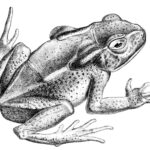
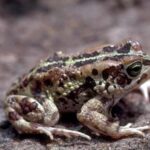
Adult Power’s Toads are modestly sized—typically measures ranging from 50 to 80 millimeters, with males slightly smaller than females. Their stout, squat forms give them an unassuming yet robust appearance. The skin’s noticeable texture of scattered warts and lumps offers an effective camouflage against the bark, soil, and leaf litter surfaces of their habitat. Colors vary between earthy browns, olive-greens, and subtle grays, sometimes exhibiting black or darker irregular patches that break up any distinctive outlines, enhancing their invisibility when stationary.
Adaptations to Survive#
While coloration and skin texture serve primarily for camouflage purposes, their parotoid glands—characteristic enlargements situated behind the eyes—are crucial defensive adaptations. These glands contain alkaloid toxins, a defense mechanism effectively deterring predators by offering an unpleasant or harmful reaction. Thus, while visually inconspicuous, Power’s Toad is chemically protected, exemplifying the fascinating evolutionary compromises amphibians develop to coexist within an ecosystem rich in predators.
Behavior and Life Cycle#
A Solitary Predator#
Sclerophrys poweri is largely nocturnal, quietly emerging from sheltered hideaways under logs or within dense vegetation to hunt once darkness descends. It feeds chiefly on small insects and invertebrates, displaying patient ambush tactics rather than active pursuit hunting. Using quick, sticky tongues, these toads can capture unsuspecting prey with surprising accuracy, capitalizing on their cryptic coloration and stillness until the critical moment to strike arrives.
Reproduction and Vocalization#
With the onset of the rainy season, males congregate around shallow pools and ephemeral water bodies, emitting choruses of distinctive, resonant calls to attract females. The vocalization of Power’s Toad is notably bass-toned and melodious, a pattern rich in cadence and uniqueness to this species. This dramatic nocturnal ensemble not only marks breeding events but shapes the acoustic landscape of their habitats, a natural concert signifying regeneration of life and ecological renewal.
Mating involves amplexus, a common reproductive behavior among toads, where the male clasps the female securely as she lays long strands of eggs into accessible freshwater pools. These terrestrial pools and temporary wetlands are crucial nursery grounds, their seasonal nature protecting vulnerable tadpoles by limiting the number of aquatic predators.
Ecological Role#
In the complex web of life, Power’s Toad plays multiple roles. As an insectivore, it significantly regulates pest populations, helping maintain a healthy balance within local food webs. Equally, it serves as prey for larger predators, including snakes, birds, and small mammals—species that rely on amphibians as critical food sources to sustain their own populations.
Its sensitivity to environmental changes renders this toad a vital indicator species. Declines in its populations can reflect broader problems such as habitat destruction, pollution, and climate challenges faced by entire ecosystems.
Threats and Conservation Status#
Facing an Uncertain Future#
Currently classified as of ‘Least Concern’ by the IUCN Red List, Sclerophrys poweri nevertheless faces an uncertain future. Habitat degradation from agriculture expansion, uncontrolled land-use changes, pollution, and deforestation represent significant threats. Climate change exacerbates these issues, altering rainfall patterns and increasing drought risks, potentially disrupting crucial breeding periods and interconnected life cycles.
Ongoing Conservation Measures#
Conservationists are focusing on habitat protection and sustainable land-use practices, emphasizing local community involvement to safeguard these amphibians’ natural breeding areas. Educational initiatives highlight the importance of frogs and toads within ecosystems, fostering greater appreciation and active stewardship among communities coexisting with this precious biodiversity.
Cultural and Scientific Significance#
While perhaps not prominently featured in cultural mythology compared to more flamboyant amphibians, Power’s Toad serves symbolic roles at the community level—seen by some indigenous societies as indicators of rain and prosperity. Scientifically, this species holds growing importance. Their vulnerability to environmental stress positions them as ‘sentinel species’ in climate change research, providing valuable data regarding shifting ecological balances and environmental health in Central Africa.
Conclusion: Preserving the Harmony of Nature#
Power’s Toad may not command widespread media focus nor dazzle with bright colors or spectacular displays, yet its quiet existence is profoundly telling about our planet’s health. It merges inconspicuously into its surroundings, a humble member of a vast ensemble performing essential supporting roles behind the scenes of biodiversity. Understanding and conserving Sclerophrys poweri compels us to appreciate that comprehensive ecological integrity depends on every component—from iconic wildlife to seemingly ordinary species that quietly sustain life’s remarkable tapestry.
We each play a part in conservation. Whether through education, supporting local conservation initiatives, or advocating sustainable practices, our actions today may ensure that generations to come continue to enjoy the harmonious and mysterious nocturnal symphony of Power’s Toad echoing beneath forest canopies under starlit skies.