- Introduction: The Hidden Charm of Sclerophrys regularis
- Taxonomy and Classification
- Natural Habitat: Across Diverse African Landscapes
- Physical Characteristics: An Intricately Patterned Amphibian
- Behavior and Life Cycle: From Humble Tadpole to Hardy Toad
- The Ecological Role of <em>Sclerophrys regularis</em>
- Ongoing Threats and Conservation Status
- Cultural and Scientific Significance
- Conclusion
Introduction: The Hidden Charm of Sclerophrys regularis#
In the velvet twilight that blankets the fertile plains and verdant wetlands of Sub-Saharan Africa, a distinct chorus rises—rich, resonant, and brimming with nocturnal energy. Among these calls is one belonging to a remarkably adaptable amphibian species known by its scientific name Sclerophrys regularis, more commonly recognized as the African Common Toad or Square-Marked Toad. While perhaps not as strikingly vibrant as some tree frogs or as famous as poison dart frogs, this humble amphibian holds concealed charm and importance that researchers, nature enthusiasts, and conservationists alike cherish.
What might appear ordinary at first glance proves extraordinary upon closer inspection. With its strikingly patterned skin and unique ecological adaptations, the Square-Marked Toad offers fascinating insights into the intricacies of life, biodiversity, and ecological stability across broad-reaching African ecosystems. Such resilience and adaptability make it a critical ecological actor and a species compelling enough to draw our curiosity further into understanding its life, biology, and conservation needs.
Taxonomy and Classification#
Sclerophrys regularis belongs to the family Bufonidae, often known simply as the ‘true toads’. This distinctively diverse family comprises over 500 species worldwide that share characteristics such as dry, glandular skin and terrestrial habits. Specifically classified in the genus Sclerophrys, this species is closely related to several other African toads, differentiated distinctly within their genus based on their morphological characteristics and genetic lineage.
The scientific history of this species is intriguing—the species was first formally described by the Swedish naturalist Johann August Wahlberg in 1849. Previously known as Bufo regularis, a taxonomic revision recently placed the species and related African toads into the newly erected Sclerophrys genus reflecting contemporary genetic insights.
Natural Habitat: Across Diverse African Landscapes#
One of the most fascinating attributes of the Square-Marked Toad is its extensive geographical distribution and habitat adaptability. Stretching across Sub-Saharan Africa, from Senegal in the west to Ethiopia and Sudan in the northeast and down toward South Africa, Sclerophrys regularis thrives in a diverse mosaic of environments.
A Resilient Resident of Woodlands, Savannas, and Wetlands#
This species favors a range of ecosystems—from moist lowland forests and sprawling savannas to open grasslands and even semi-arid regions beside agricultural fields. However diverse the environment, reliable water bodies such as ponds, marshes, riversides, and pools created by seasonal rainfall are essential for their breeding cycle. Their adaptability extends to human-altered landscapes like gardens, parks, and farms, showcasing their remarkable resilience and ecological flexibility.
In the rainy season, the arrival of water energizes the landscape and initiates a symphonic breeding call, a pleasant chorus offered by competing male toads. Observing this toad at twilight, wandering methodically among damp grasses and leaves, one realizes the intimate connection they maintain with the ebb and flow of seasonal water.
Physical Characteristics: An Intricately Patterned Amphibian#
At first glance, Sclerophrys regularis may seem deceptively modest, yet the subtle beauty in their décor becomes apparent upon closer inspection. This toad is predominantly medium-sized, averaging between 6 to 10 centimeters in length and showcasing a robust, solidly built form. It moves with a seemingly ponderous grace, giving observers ample opportunity to appreciate their intriguing physical details.
Coloration and Markings#
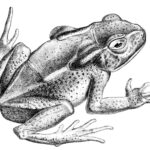
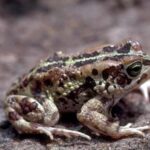
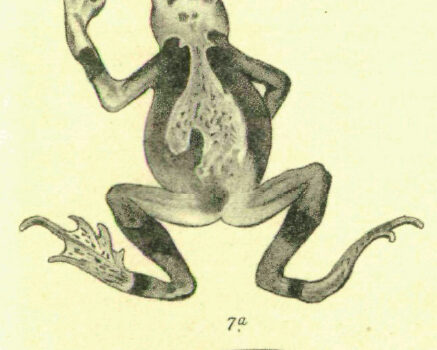
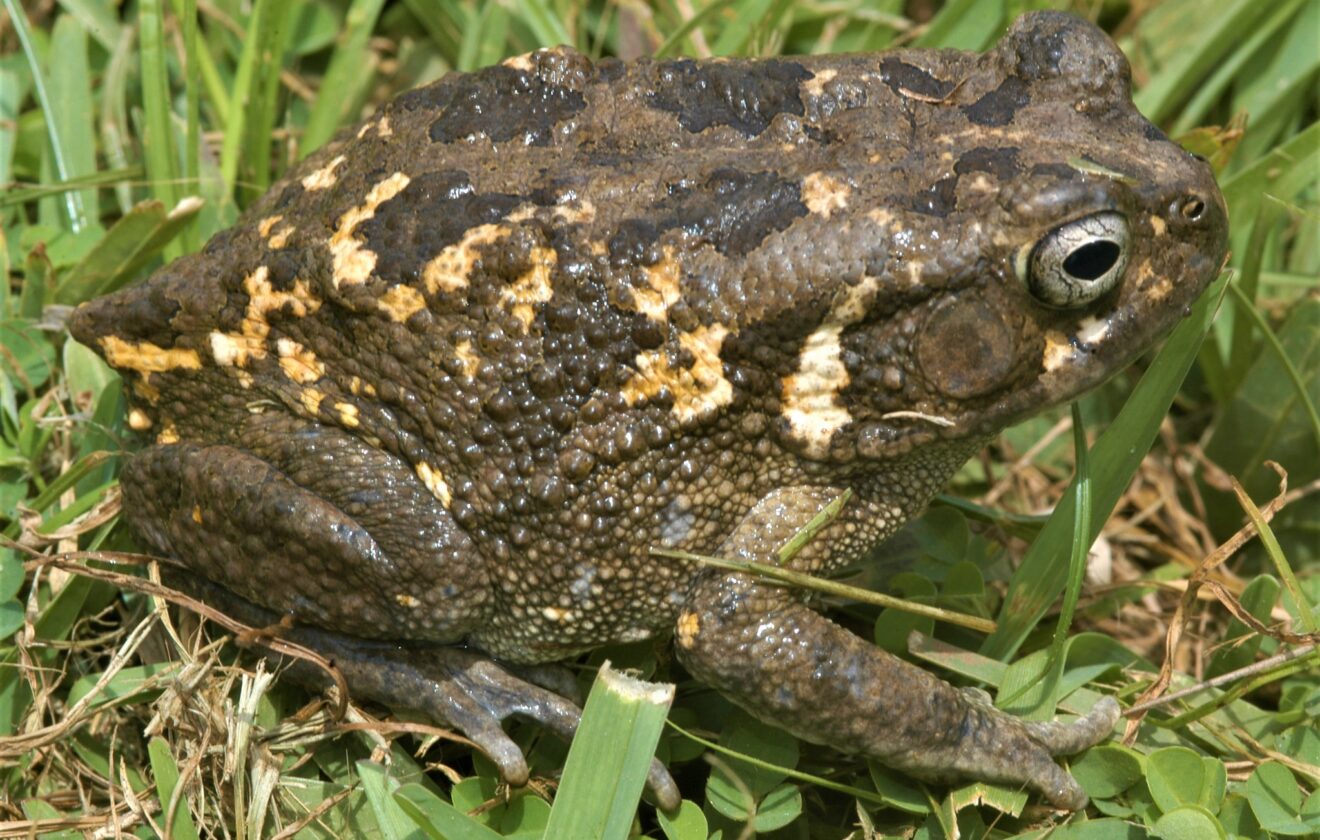
The skin of the Square-Marked Toad is typically rough and granular, with variable shades of olive, brown, or grey overlaid with characteristic dark square or rectangular patches. These striking markings inspired the common name “Square-Marked.” The belly, by contrast, is usually softer and paler, sometimes speckled with dark dots.
Behind the eyes, one finds large, prominent parotoid glands. These glands are expertly adapted to produce mild toxins, providing a crucial chemical defense against potential predators. The consistency of such toxicity varies greatly among amphibians, but in Sclerophrys regularis, while potent enough to dissuade many predators, it poses minimal risk to humans under normal circumstances.
Behavior and Life Cycle: From Humble Tadpole to Hardy Toad#
The life journey of Sclerophrys regularis is marked by remarkable transformation and adapted survival strategies. Each yearly rainy cycle awakens an ancient pattern—thousands of toads journeying toward temporary or permanent water bodies with notable urgency.
A Chorus Beneath the Stars—Mating Rituals#
As night falls after rainfall, the breeding grounds reverberate with rhythmic croaking—the males of Sclerophrys regularis gather and energetically advertise their suitability and strength through resonant song. Their choruses echo into the dark, a captivating audio display aimed at attracting females who listen keenly, favoring calls of vigor and robustness.
Once the female selects a mate based on these auditory displays, the pair engages in amplexus—a reproductive embrace common among amphibians, where the male grips the female’s back securely as she lays clusters of gelatinous eggs into shallow waters. Each female can lay thousands of eggs in a season, ensuring high reproductive potential vital to species resilience.
Tadpole Transformation and Juvenile Life#
Within days, the gelatinous egg masses hatch into vibrant communities of aquatic tadpoles. These tiny creatures occupy shallow pools, voraciously consuming algae and organic debris, promptly growing and undergoing dramatic metamorphosis. Limb buds soon appear, tails shrink and disappear, and within a few weeks, miniature toadlets bravely venture out from their aquatic nursery onto land, ready to face terrestrial life.
Young toadlets rely heavily on camouflage and caution to survive predators who would relish such an easy prey. However, the mass emergence strategy—known scientifically as “predator swamping”—helps some juveniles invariably evade predation, progressing towards adulthood.
The Ecological Role of Sclerophrys regularis#
Like many amphibians, the Square-Marked Toad plays a pivotal ecological role within its habitats. Serving as both predator and prey, these creatures help maintain ecological harmony across diverse regions.
Balanced Predator and Integral Prey#
Consuming insects, snails, worms, and other small arthropods, they effectively regulate populations of pests and insects, providing natural pest control that relieves local flora—including agricultural crops—from potential damage. Because of their widespread distribution and population densities, their collective appetite can significantly impact ecosystem health.
Conversely, toads serve as vital prey items for various mammalian, avian, and reptilian predators. Thus, changes in their populations can provide important indicators of ecological change, environmental quality, and biodiversity health—making them excellent indicators for assessments of ecosystem health.
Ongoing Threats and Conservation Status#
Thankfully, at present, Sclerophrys regularis is classified by the IUCN Red List as “Least Concern” due to its wide distribution, population stability, and impressive adaptability. However, like many amphibians worldwide, they do not remain unaffected by growing environmental concerns.
Habitat degradation due to agriculture expansion, drainage of crucial wetlands, pollution—especially agricultural run-off containing pesticides—spread of diseases like chytridiomycosis, and climate fluctuations represent mounting threats. Vigilance and conservation awareness remain ever-essential as we seek balance between human development and ecological preservation.
Cultural and Scientific Significance#
The Square-Marked Toad holds intriguing status in African folklore and symbolism, often viewed as symbols of change or transformation due to their remarkable metamorphosis. Scientifically, they contribute fundamentally to research on environmental contamination, ecosystem balance, and evolutionary biology, often studied as bio-indicators demonstrating ecological shifts in their habitats.
Conclusion#
Sclerophrys regularis stands as a humble yet crucial guardian within the rich mosaic of African ecosystems. Their resilience, adaptability, and ecological contribution demonstrate the incredible importance of even seemingly modest species. As stewards of biodiversity, it is incumbent upon us to appreciate, respect, and protect such species—rich in symbolism, ecological importance, and fascinating life histories.
By cultivating appreciation and deepening our understanding, we ensure that future generations can marvel at the symphony that emanates from African wetlands, reminding us, continually, of nature’s delicate balance and breathtaking resilience.