Sclerophrys reesi: Secrets of an Enigmatic African Toad#
Introduction#
Amid the lush vegetation and murmuring streams of Tanzania’s forests, a remarkable amphibian makes its secretive home. Meet Sclerophrys reesi, commonly known as Rees’ Toad—a species that encapsulates the mystery and fascination of amphibian life in one of the world’s biodiversity hotspots. Despite its somewhat elusive nature, this toad holds subtle yet crucial connections within its ecosystem, quietly weaving stories of survival and adaptation that intrigue both scientific communities and wildlife enthusiasts alike.
Belonging to the Bufonidae family—often referred to as the “true toads”—Sclerophrys reesi has captivated researchers with its distinct ecological characteristics and its adaptability to specific habitats. As the world navigates unprecedented conservation challenges, understanding and celebrating species like Rees’ Toad helps strengthen global commitments to protecting biodiversity. But beyond science and conservation, there’s a simple joy and wonder in learning about this humble amphibian, an ambassador illuminating broader stories of life within African forests.
Taxonomy and Classification#
The biological classification of Rees’ Toad places it firmly in the expansive amphibian order Anura. Within Anura, it sits comfortably among other robust-bodied toads in the Bufonidae family, known for their typically dry, glandular skin and pronounced parotoid glands used as defense mechanisms against predators. Scientifically documented for the first time by ecologist Grandison in 1977, Sclerophrys reesi (formerly classified under the genus Amietophrynus) was recognized as distinct due to nuanced morphological traits and unique vocalizations.
It shares close evolutionary relationships with other African true toads, some of which display overlapping ecological niches, yet Rees’ Toad remains an icon of local endemism, highlighting specific evolutionary paths driven by Tanzania’s unique environmental pressures.
Natural Habitat#
A wanderer within specific terrain, Sclerophrys reesi finds its solace in the montane and sub-montane forests of eastern Tanzania. Regions around the Uluguru Mountains and almost exclusively within the Eastern Arc mountain chain provide sanctuary for this enigmatic amphibian. These areas are renowned globally for their extraordinary biological richness and constitute critical habitats for numerous rare and endemic species.
Rees’ Toad prefers pristine habitats characterized by dense undergrowth, leaf-littered ground, and clear, running streams that trickle gently beneath canopies thick enough to filter sunlit frequent rains. Moisture and shade are essential factors, as their permeable skin makes adequate hydration crucial for survival. The thick leaf litter provides shelter, ease of movement, and plentiful foraging opportunities, setting the ideal stage for hidden survival within their treasured forest realm.
Physical Characteristics#
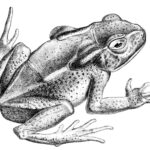
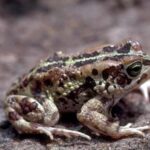
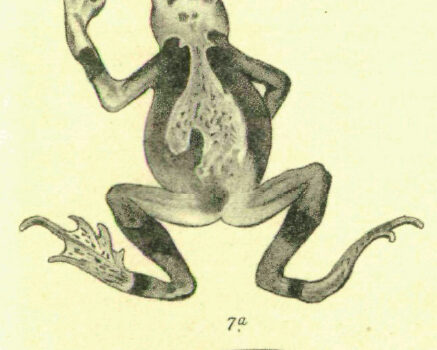
Sclerophrys reesi boasts a robust, stout body typical of true toads, coupled with distinctive characteristics setting it apart from its relatives. Measuring between 4 to 6 centimeters in length, adults present a textured and rugged exterior, accentuated by scattered wart-like glands, each secreting mild toxins as a vital defense against predators and parasites.
The color palette of Rees’ Toad splendidly fits their habitat. Cloaked in intricate shades of muted browns, greens, and grays, their skin allows seamless camouflage amidst the dense leaf litter and moss-dappled rocks. Darker markings—often irregular blotches or stripes—add depth to their cryptic appearance, providing extra protection. Their eyes, large and expressive with horizontally elliptical pupils, give them excellent vision suited to nocturnal activity, a necessity for thriving quietly beneath their forest canopy home.
Behavior and Life Cycle#
Nocturnal Habits and Feeding Strategies#
Twilight brings forth a chorus from these shy creatures, setting the forest alive with rhythmic, low-pitched calls distinctive to the species. Nighttime journeys see them methodically patrolling forest floors, using a combination of sight and careful tactile sense to locate their prey—typically insects like beetles, crickets, ants, and moths. Quick flicks of a sticky tongue form their primary hunting strategy, swift enough to capture even agile insects.
Reproduction and Development#
When seasonal rains transform the forest into a lush, vibrant paradise, breeding rituals of Sclerophrys reesi begin. Male toads initiate energetic vocal displays along slow-flowing streams or ephemeral forest ponds, skillfully marking their territories through resonant, repetitive calls. Attracted by these vocalizations, receptive females enter breeding areas, initiating an amphibian ballet reminiscent of ancestral rhythms.
Following successful pairing, females lay strings of gelatinous eggs among submerged vegetation or rocks along streams. Tadpoles soon emerge, complete with formidable adaptations for survival—strong tails, sensitive lateral lines, and filter-feeding mouths. Over several weeks, tadpole metamorphosis sees limbs beginning to sprout and tail receding, resulting in diminutive toadlets venturing from watery realms onto land, thus continuing the timeless cycle of renewal.
Ecological Role#
In the delicate balance of Tanzanian forests, every species has an irreplaceable niche—and Rees’ Toad exemplifies this ecological importance. It serves simultaneously as predator and prey, controlling insect populations that include many pest species and providing an essential protein source for larger predators such as snakes, birds, and small mammals.
Furthermore, amphibians globally are regarded as vital ecological indicators due to their sensitivity to environmental disturbances. Healthy populations of Sclerophrys reesi typically reflect well-preserved habitats, making its ecological wellbeing an important conservation metric, guiding efforts to restore or protect forest habitats from human impact.
Threats and Conservation Status#
Today, the existence of Sclerophrys reesi faces growing challenges. Categorized by the International Union for Conservation of Nature (IUCN) as “Vulnerable,” the species grapples chiefly with habitat destruction and fragmentation caused by agriculture, logging, and expanding human settlements. Rapid environmental changes, especially deforestation within the Eastern Arc Mountains, severely disrupt interconnected habitats required for feeding, breeding, and dispersal.
Climate change poses additional hurdles, altering rainfall patterns and raising temperatures, disrupting the delicate hydrological cycles crucial for amphibian breeding. Disease, particularly the chytrid fungus (Batrachochytrium dendrobatidis)—now recognized as a global amphibian-killer—threatens numerous amphibians worldwide, and sensitive species like Rees’ Toad remain vulnerable without proper monitoring and intervention.
Conservation Efforts and Future Prospects#
The plight of this secretive and remarkable amphibian has drawn attention from conservation groups, scientists, and local communities alike. Efforts such as habitat preservation, restoration, and community-led educational programs aim to instill reverence and understanding of forest conservation’s broader benefits, helping secure a space for Sclerophrys reesi among Tanzania’s ecological treasures.
Cultural and Scientific Significance#
Although less widely known than larger mammals or birds, amphibians contribute significantly to cultural narratives. In many local traditions, frogs and toads represent renewal, fertility, and sensitivity to environmental change. Scientifically, species like Rees’ Toad allow researchers crucial insights into ecosystem health, offering us warning signals as well as remarkable stories illustrating adaptation, resilience, and survival.
Conclusion#
Sclerophrys reesi vividly illustrates nature’s intricacies and our own role as caretakers of biodiversity. Understanding the nuanced existence of this little forest wanderer inspires and obliges us toward conservation action. By advocating habitat protection, reducing ecological threats, and supporting scientific research, we can ensure a future where this admirable amphibian continues its quiet but compelling presence in the rain-drenched forests of Tanzania’s mountains.
Let Rees’ Toad remind us that even the smallest creatures carry vast ecological significance and deserve our respect, appreciation, and commitment to their preservation.