- The Curious Life of Rhinella acrolopha: Exploring the Enigmatic Crest-headed Toad
- Taxonomy and Classification
- The Verdant World of Rhinella acrolopha: Natural Habitat
- Physical Traits: Nature’s Subtle Masterpiece
- The Secretive Life: Behavior and Life Cycle of Rhinella acrolopha
- An Unsung Hero of the Forest Floor Ecosystem
- Clouds on the Horizon: Threats to Rhinella acrolopha
- Cultural Reflections and Scientific Potential
- Celebrating the Subtle Wonders of Rhinella acrolopha
The Curious Life of Rhinella acrolopha: Exploring the Enigmatic Crest-headed Toad#
Beneath the lush canopy and shadowy understory of Central and South America’s tropical forests dwells a small amphibian cloaked in quiet mystery—the Rhinella acrolopha, commonly known as the Crest-headed Toad. Though seldom starring in nature documentaries or featured prominently in conservation appeals, this resilient amphibian species is a captivating testament to evolutionary adaptation, ecological significance, and environmental sensitivity.
Rhinella acrolopha, part of the Bufonidae family—better known as true toads—has managed to maintain a low profile within the amphibian world. Yet, hidden within its unassuming appearance and subtle behaviors lie remarkable survival strategies, fascinating ecological roles, and clues that illuminate broader environmental insights.
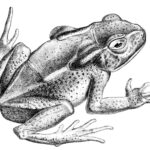
Perhaps one of its most fascinating and quirky features is hidden in plain sight—the distinctive bony crests crowning its head, from which its scientific name “acrolopha,” meaning ‘high crest’, is aptly derived. This unassuming yet striking feature sets it apart from many of its amphibian cousins.
Taxonomy and Classification#
Scientifically, Rhinella acrolopha belongs to the family Bufonidae, a large, diverse grouping commonly called true toads. Characterized by dry, warty skin, pronounced parotoid glands, and terrestrial behavior, true toads are a successful group, having radiated into varied ecological niches across the globe.
Within this cosmopolitan family, Rhinella acrolopha is nested within the genus Rhinella—a genus comprising dozens of neotropical species often identified by their stout bodies, distinct cranial crests, and adaptability to diverse habitats.
Originally described in detail in the early 20th century, Rhinella acrolopha was formerly grouped within the expansive genus Bufo. However, modern taxonomic revisions, aided by genetic sequencing and morphological analyses in recent decades, have reassigned this species to Rhinella—clarifying relationships and evolutionary history within this dynamic amphibian lineage.
The Verdant World of Rhinella acrolopha: Natural Habitat#
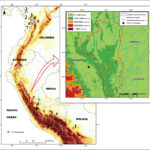
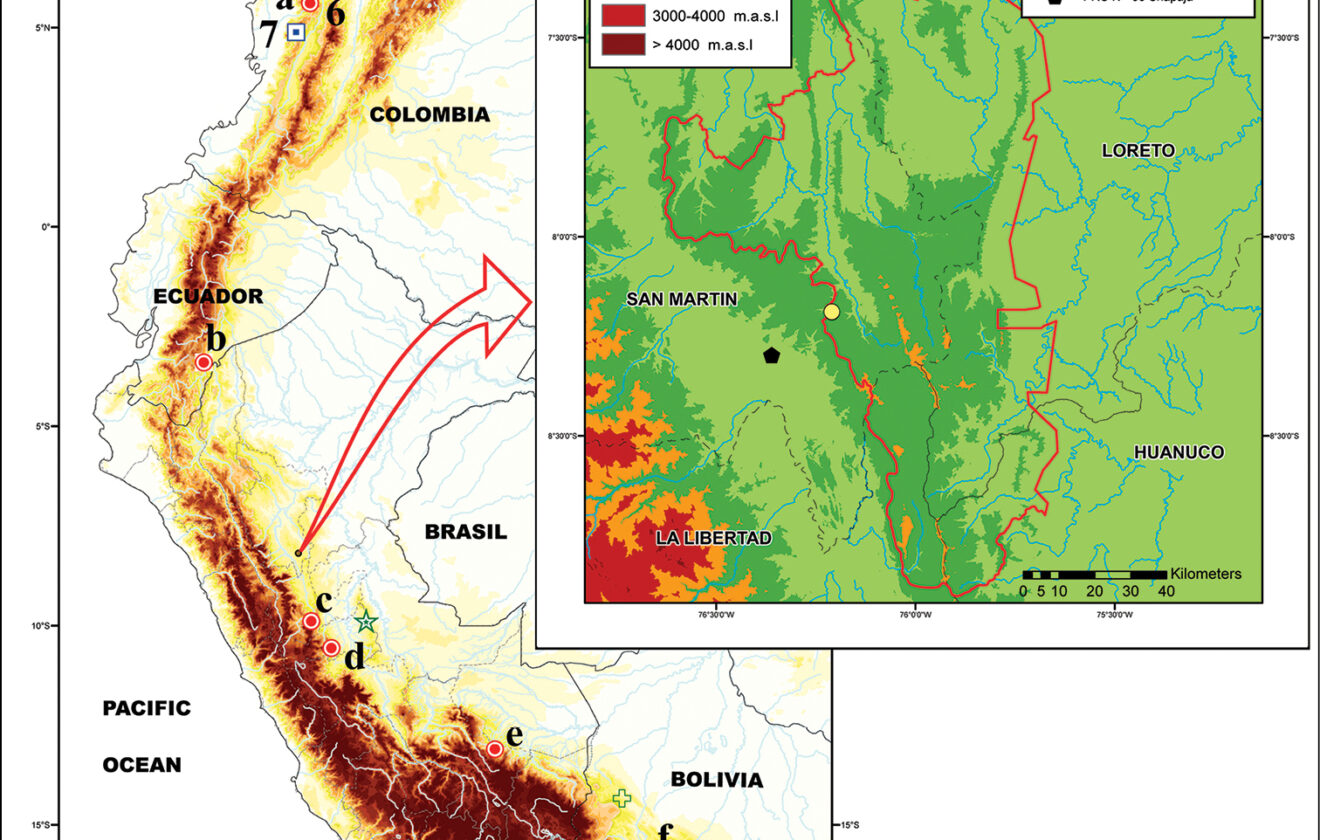
Rhinella acrolopha thrives in the verdant, humid environments stretching from eastern Panama to Colombia, weaving through lush tropical rainforests, dense lowland forests, and foothill regions alike. This adaptability allows it to occupy a variety of ecological niches, though it harbors particular fondness for forest floors and the protective clutter of leaf litter, fallen logs, and thick understory vegetation.
Hidden beneath the tangled root systems, amidst layered detritus, or tucked behind thick vines and bark crevices, the Crest-headed Toad expertly blends into its surroundings. Humid, shaded regions near freshwater sources, such as streams and temporary pools, offer optimal conditions, providing the moisture essential for amphibian skin respiration and sufficient prey abundance.
The rainforest floor ecosystem is unceasingly dynamic, shaped by decomposing organic matter and vibrant fungal and insect communities. Here, Rhinella acrolopha establishes its home—a realm critically dependent upon moisture cycles, facilitating the amphibian’s delicate balance with its environment. Small alterations in rainfall or leaf cover could profoundly impact their survival—a reality highlighting the interconnectedness of ecosystems.
Physical Traits: Nature’s Subtle Masterpiece#
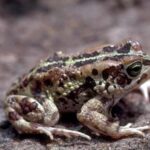
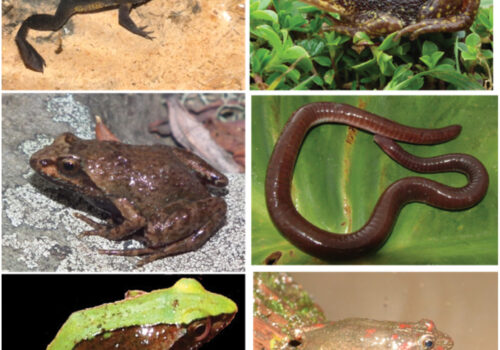
A quick glance at Rhinella acrolopha might dismiss it as just another forest amphibian, but closer inspection reveals nature’s subtle artistry. Characterized by a robust, rounded body measuring about 4–7 centimeters long, this modestly-sized toad is perfectly designed for its terrestrial lifestyle. Its coloration blends shades of brown, tan, olive, and gray, often mottled or spotted with darker hues that echo the shadows and patchwork patterns of decomposing leaves.
The skin of Rhinella acrolopha showcases the iconic rough texture associated with true toads. Warty, glandular bumps dot its back and sides, a feature stemming from toxin-producing glands which deter predators from further investigation. Yet the species’ most striking physical feature lies atop its head. Prominent bony ridges—cranial or supraocular crests—stand elevated above its eyes, lending the Crest-headed Toad a dignified, regal presence amidst the cluttered forest floor.
These raised crests are not merely ornamental; they reinforce the toad’s skull during altercations with rivals and may assist in predator deterrence by making the toad appear larger and more formidable. Alongside subtle camouflage and protective adaptations, these crests fortify Rhinella acrolopha’s remarkable evolutionary toolkit, allowing the species to survive against odds in increasingly fragmented habitats.
The Secretive Life: Behavior and Life Cycle of Rhinella acrolopha#
Feeding and Foraging Patterns#
Like most terrestrial amphibians, Rhinella acrolopha is predominantly nocturnal, emerging under cover of darkness to forage. Its large, sensitive eyes allow it to detect even subtle movements of prey items. Opportunistic in diet, its meal options range from small insects, spiders, and mites to tiny invertebrates hidden amongst leaf litter or beneath rotting logs. Ambush predation is its preferred tactic—sitting nearly immobile, it waits until a hapless prey item strays too close before striking with precision and remarkable speed.
Reproductive Strategies and Development#
When the muggy, drenching rains herald the breeding season, Crest-headed Toads rediscover their aquatic ancestry. Male Rhinella acrolopha congregate at small water bodies to unleash chorus-like mating calls—melodies deep, resonant, and rhythmic, carefully designed to lure females amid dense forest acoustics. Females select mates based on these audible signatures, thus ensuring the continuance of genetically robust offspring.
Females deposit gelatinous strings or ribbons of eggs among submerged vegetation or tangled debris within quiet streams or temporary pools. Each clutch may contain hundreds to thousands of darkly pigmented eggs, offering a precious hedge against aquatic predators and environmental challenges.
Hatched tadpoles flourish in sheltered micro-aquatic ecosystems, subsisting on aquatic algae, detritus, and microbial film. Over weeks, tadpoles undergo remarkable metamorphosis, trading gills for lungs, fins for legs, and a purely aquatic existence for a life predominantly on dry land. The growth from vulnerable tadpole to robust terrestrial adult is testament not only to evolutionary adaptation but also sensitivity to quality habitat and freshwater health.
An Unsung Hero of the Forest Floor Ecosystem#
While the Crest-headed Toad may not make headlines, its ecological significance cannot be overstated. By consuming substantial amounts of invertebrates, Rhinella acrolopha acts as an effective control mechanism, balancing insect populations and, consequently, disease vectors and herbivory pressure on forest vegetation.
Moreover, this elusive amphibian plays a critical role as prey to various predators—birds, snakes, small mammals, and larger amphibians rely on the toad as a protein-rich food resource. Its sensitive skin and rapid response to shifting environmental conditions make Rhinella acrolopha an essential bioindicator, signaling healthy or compromised ecosystems to scientists and conservationists alike.
Clouds on the Horizon: Threats to Rhinella acrolopha#
Despite the resilience this toad demonstrates, it faces numerous existential threats driven largely by human actions. Habitat loss through deforestation, agriculture expansion, and urbanization fractures its habitat, leaving fragmented pockets often insufficient to sustain viable populations. Climate change alters rainfall patterns and creates unpredictable drought cycles, jeopardizing breeding habitats critical to tadpole survival.
Currently, Rhinella acrolopha is listed by the International Union for Conservation of Nature (IUCN) as Least Concern, demonstrating population stability. However, vigilance is necessary. Ongoing monitoring efforts, habitat protection, and awareness-building programs remain important proactive measures preserving this delicate amphibian’s future.
Cultural Reflections and Scientific Potential#
While Rhinella acrolopha does not dominate popular culture, amphibians at large bear symbolism across human history. In indigenous communities of tropical Americas, amphibians like this toad embody indicators of ecological integrity, their wellbeing deeply intertwined with environmental health. Scientifically, research on toxin composition, amphibian skin secretions, and disease resistance offers invaluable insights, holding potential applications beyond conservation.
Celebrating the Subtle Wonders of Rhinella acrolopha#
Understanding Rhinella acrolopha is about celebrating hidden wonders and recognizing the complex, delicate webs of life erased by carelessness. Preserving the Crest-headed Toad involves valuing biodiversity, safeguarding habitats, and recognizing our interconnectedness. Let us marvel at its subtle charisma, engage deeper conservation efforts, and ensure the continued chorus of nature remains vibrant and resilient for generations to come.