- Unveiling the Secretive World of Rhinella bergi: South America's Fascinating Toad
- Taxonomy and Classification of Rhinella bergi
- Natural Habitat: Life in the South American Chaco
- Physical Characteristics: A Master of Camouflage and Survival
- Behavior and Life Cycle of Rhinella bergi
- Ecological Role: Indicators of Ecosystem Health
- Threats and Conservation: Preserving Berg’s Toad and Its World
- Cultural and Scientific Significance
- Conclusion: Appreciating and Protecting Rhinella bergi
Unveiling the Secretive World of Rhinella bergi: South America’s Fascinating Toad#
In the subtropical forests of South America’s Chaco region, beneath dense vegetation and amid leaf-litter carpets, a resilient amphibian thrives quietly. Its name, Rhinella bergi, may not yet enjoy widespread popularity, yet its fascinating biology, behavior, and pivotal ecological role warrant closer attention. Commonly known as Berg’s Toad, Rhinella bergi exemplifies an evolutionary success story, intricately adapted to its habitat’s demanding environmental conditions.
Notably elusive and rarely seen casually by passersby, this charming creature carries with it mysteries that intrigue scientists, conservationists, and nature enthusiasts alike. With an appearance blending seamlessly into its surroundings and behaviors shaped through centuries of adaptation, Rhinella bergi serves not only as a captivating subject for researchers but also as a symbol of ecological balance and environmental sensitivity.
Let’s dive deeper into the life, habits, habitats, and conservation concerns that define this intriguing member of South America’s amphibian community.
Taxonomy and Classification of Rhinella bergi#
To better appreciate Berg’s Toad and its place within the biodiversity tapestry, we must delve into its taxonomy. Scientifically classified within the Bufonidae family—the true toads—Rhinella bergi forms part of a genus characterized by stout-bodied, often warty-skinned amphibians. The genus Rhinella, previously included within the genus Bufo, distinguishes itself primarily through morphological details fundamental mostly to herpetologists, such as skull and skin structures. However, to the attentive naturalist, knowing this classification helps reveal the evolutionary lineage and survival strategies unique to Rhinella species.
Berg’s Toad’s species epithet, bergi, commemorates Carlos Berg, an influential naturalist whose extensive explorations contributed significantly to South American amphibian studies. While closely related species such as Rhinella arenarum share similar ranges and traits, subtle yet distinctive morphological differences affirm Rhinella bergi‘s uniqueness, highlighting its evolutionary adaptation to a very particular habitat.
Natural Habitat: Life in the South American Chaco#
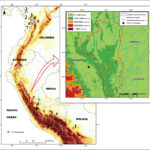
The Gran Chaco, a sprawling dry forest biome extending through parts of Argentina, Paraguay, Bolivia, and Brazil, provides a haven for Rhinella bergi. Characterized by semi-arid woodland, thorn scrublands, and seasonally flooded regions, the Chaco poses challenges many species struggle to cope with. Yet, Berg’s Toad utilizes very specific microhabitats within this harsh, fluctuating environment, thriving amid the leaf litter, rotting logs, and shaded terrestrial layers of Chaco forests.
A walk through these ecosystems, especially after rains, unveils the thoughtful design behind the toad’s selection of habitats. Moisture retained by fallen foliage and decaying wood ensures suitable microclimates necessary for amphibian survival, particularly during harsh dry seasons. These microenvironments supply not only critical hydration but an abundance of food resources such as insects, spiders, and small invertebrates—thus offering Berg’s Toad refuge and sustenance.
These habitat selections reflect broader ecological strategies. Rhinella bergi beautifully highlights the interconnectedness between organism and environment, a delicate balance crafted by ongoing evolution and adaptation.
Physical Characteristics: A Master of Camouflage and Survival#
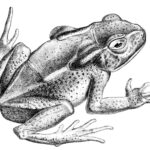
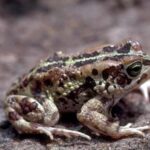
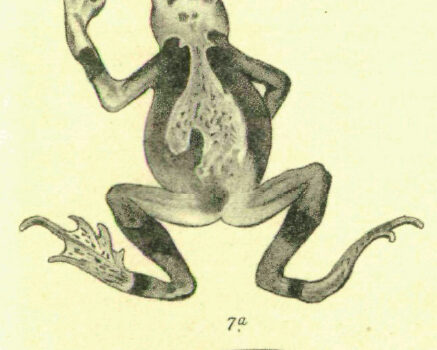
Visually, Rhinella bergi embodies its habitat’s essence. Its robust, compact body typically reaches lengths between 5 to 8 centimeters, making it smaller yet sturdily built compared to some of its larger relatives. The toad’s coloration varies subtly from shades of tan, brown, gray, and olive, speckled irregularly with darker patches and tiny wart-like glands—a nuanced mosaic reflecting its leaf-laden surroundings almost perfectly.
Perhaps the most outstanding trait of Berg’s Toad is its extraordinary mastery of camouflage. Their rough, grainy texture and mottled pattern mimic leaf litter remarkably well. Hunters and wildlife observers often find themselves perplexed by how easily these toads blend into their environment. For predators like snakes, birds, and mammals that rely on visual cues, spotting a motionless Berg’s Toad amid the Chaco floor proves challenging, enhancing its chances of survival significantly.
In addition to camouflage, Berg’s Toad benefits from specialized skin glands secreting mildly toxic substances. This adaptation helps deter predators, adding an extra layer of defense supplementing its cryptic coloration and nocturnal habits.
Behavior and Life Cycle of Rhinella bergi#
Berg’s Toad maintains a primarily crepuscular and nocturnal lifestyle, mirroring many true toad species. Daytime often finds them nestled safely beneath protective cover—under logs, rocks, or within leaf piles. As dusk settles, they emerge quietly, embarking on nightly quests for food, gently hopping among leaf litter in search of insects, beetles, ants, spiders, and other invertebrates. Their hunting technique is ambush-based, patiently sitting motionless until prey wanders within striking distance, then swiftly flicking out their adhesive tongues.
Mating Rituals and Reproduction#
During the rainy season, spring and summer rains stimulate breeding instincts among Rhinella bergi. Responding quickly to seasonal downpours, males migrate towards temporary pools, ponds, or shallow accumulations of rainwater, vigorously advertising their presence through distinctive high-pitched calls. Their chorus—a symphony merging rhythmic pulses and trills—draws females to suitable mating sites, shaping an enchanting audio backdrop for evening visitors to Chaco environments.
Females carefully deposit long gelatinous strings of eggs submerged in shallow water bodies, anchoring them to vegetation or debris for safety. Eggs typically hatch quickly, giving rise to tadpoles suited to survive the brief existence of temporary puddles and pools. Berg’s tadpoles cautiously scrape algae and bacteria from submerged surfaces, metamorphosing into juvenile toads within mere weeks to ensure escaping drying habitats before the seasonal pools vanish entirely. Their swift life cycle epitomizes nature’s remarkable capacity for adaptation and survival amid environmental pressures.
Ecological Role: Indicators of Ecosystem Health#
Berg’s Toad serves a crucial ecological role, manifesting prominently within its Chaco habitats as both predator and prey. Primarily insectivorous, these amphibians help regulate populations of insects and other invertebrates, indirectly influencing vegetation health and forest dynamics. Their presence maintains balanced insect populations, indirectly benefiting agricultural practices and human settlements nearby.
Conversely, these toads constitute essential dietary staples for larger predators such as birds, snakes, and mammals. Consequently, declines in Rhinella bergi populations may ripple throughout the ecosystem, impacting predator-prey dynamics and the broader ecological equilibrium of Chaco woodlands.
Additionally, amphibians like Rhinella bergi possess highly permeable skin, absorbing pollutants and toxins easily from surrounding habitats. Thus, shifts in their populations can serve as reliable indicators of environmental health, alerting conservationists and ecologists to hidden ecological threats long before other organisms show symptoms.
Threats and Conservation: Preserving Berg’s Toad and Its World#
Although currently designated by the IUCN as Least Concern, Rhinella bergi faces increasing pressures primarily stemming from habitat degradation, climate change, and human-driven landscape transformations. Expanding agriculture, cattle ranching, deforestation, and infrastructure over-development steadily fragment and degrade Chaco habitats, threatening the intricate niches Berg’s Toad requires for survival.
A changing climate introduces further instability, altering rainfall patterns and intensifying drought periods. Conservationists closely monitor these fluctuations, recognizing such climatic shifts could potentially disrupt seasonal breeding cycles essential for species populations. Effective conservation strategies emphasize recognizing and protecting critical habitats, fostering community awareness, and sustainable land management practices promoting biodiversity conservation and coexistence.
Cultural and Scientific Significance#
Interestingly, amphibians like Berg’s Toad play subtle roles within regional cultures—often embodying attributes such as resilience, adaptation, and renewal symbolic throughout indigenous folklore and traditional narratives. Although no particular extensive cultural mythological prominence associates explicitly with Rhinella bergi, toads broadly symbolize fertility, transformation, and adaptation within numerous cultural narratives worldwide, resonating deeply amid the human experience and relationship with nature.
Conclusion: Appreciating and Protecting Rhinella bergi#
Until recently, the enigmatic Berg’s Toad remained relatively unknown outside specialized circles, quietly supporting ecological balance. Now more than ever, understanding and appreciating these intriguing amphibians reveals their intrinsic value and crucial ecological contributions. Preserving Rhinella bergi requires blending scientific awareness with community-driven conservation, fostering habitats that nurture Chaco’s biodiversity.
By learning, caring, and spreading awareness about Rhinella bergi, we help ensure the continued chorus of this unique toad within the delicate harmony of South America’s Gran Chaco biome—and protect a fascinating creature whose very existence enriches our natural world.