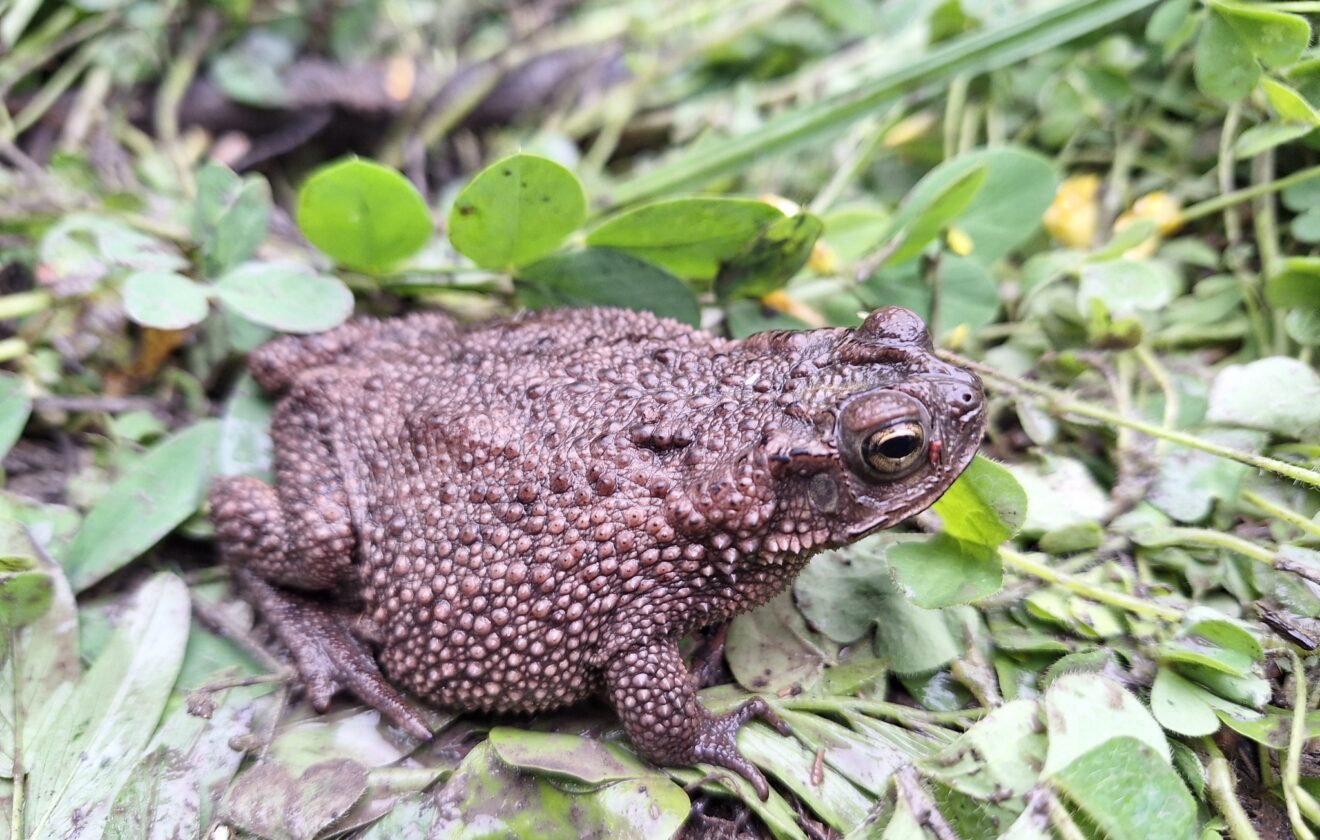
- Introduction: Meet Rhinella bella, the Beautiful Toad of the Amazon
- Taxonomy and Classification of Rhinella bella
- Natural Habitat: A Life Hidden Beneath the Leaf Litter
- Physical Characteristics: Beauty Meets Adaptation
- Behavior and Life Cycle: Quiet Wonders Beneath the Canopy
- An Integral Ecological Role: Guardians of Balance
- Threats and Conservation Status of Rhinella bella
- Cultural and Scientific Significance
- Conclusion: Embracing a Species Worth Protecting
Introduction: Meet Rhinella bella, the Beautiful Toad of the Amazon#
Deep within the cobalt shades and emerald tapestry of the Amazon rainforest, a creature of humble yet captivating beauty thrives silently. Rhinella bella, poetically named for its elegant markings and intricate charm, gently hops through the shadowy undergrowth, blending into its environment with mastery borne from millennia of evolutionary refinement. Colloquially known as the “beautiful toad,” Rhinella bella embodies the subtle majesty concealed within nature’s secret realms.
Scientifically designated Rhinella bella, this intriguing amphibian belongs to the Bufonidae family—a family famous for its robust adaptations—and offers a window into one of Earth’s most fascinating ecosystems. Remarkably, although this species has colors that rival the artistry of a Renaissance painting, relatively little has been known by the general public until recently. Rhinella bella represents both the beauty and fragility of amphibian biodiversity, underlining the importance of conservation efforts in preserving the delicate balance of its Amazonian homeland.
Taxonomy and Classification of Rhinella bella#
The detailed structure of amphibian taxonomy helps enthusiasts and researchers alike better understand the relationships and evolutionary pathways unique to each species. Rheobatrachidae, Dendrobatidae, and especially Bufonidae—the toads—form diverse groups exhibiting incredible morphological and behavioral adaptations. Rhinella bella specifically falls comfortably within the extensive genus Rhinella, previously considered a subgroup of the long-acknowledged genus Bufo. This genus alone hosts an impressive diversity, showcasing nature’s inexhaustible imagination amid the seemingly standardized body plans of toads.
Within the genus Rhinella, the beautiful Rhinella bella exists alongside relatives such as Rhinella marina—the infamous cane toad—and Rhinella margaritifera, the crested forest toad. However, Rhinella bella distinguishes itself through subtle yet clear morphological differences, behavioral nuances, and a unique ecological niche. These refined distinctions underscore exactly why this species deserves greater scientific and conservation attention.
Natural Habitat: A Life Hidden Beneath the Leaf Litter#
Geographic and Ecological Range#
Rhinella bella resides predominantly in the humid lowland regions of the lush Amazon basin, often within the territories that span Peru, Colombia, Ecuador, and Western Brazil. Here it inhabits an intricate mosaic of lowland tropical rainforests, favoring environments near gentle, slow-moving streams, shallow pools, wetlands, and shaded leaf-litter habitats at lower elevations.
These moist environments encourage the growth of dense vegetation and create micro-habitats teeming with arthropods and other potential prey. Under the thick canopy, sunlight gently filters through leaves, creating a humid, dimly lit environment perfectly suited to the needs of this elusive creature.
The Secretive World within the Leaves#
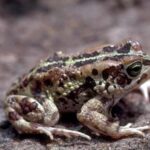
Adapted to live predominantly on the forest floor, Rhinella bella expertly navigates decaying leaf piles, small stream banks, and tree-root networks. Its cryptic coloration—patterns of browns, tans, and greens—provides seamless camouflage, rendering it nearly invisible among the detritus. These frogs rely heavily on such habitat complexity: fallen logs, roots, and dense foliage offer safe passageways, protective hideouts, and abundant food sources.
In these damp and quietly vibrant microcosms, the Rhinella bella maintains a harmonious role, subtly, yet decisively, impacting the ecological balance.
Physical Characteristics: Beauty Meets Adaptation#
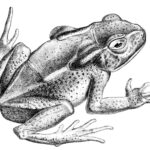
A truly remarkable amphibian, adult Rhinella bella measures around 3 to 6 centimeters in size—small enough to cradle within your palm, yet conspicuous enough to fascinate those lucky enough to spot it amid its camouflage. Its skin is adorned with a mesmerizing mosaic of earthy hues: light greens, rich browns, delicate creams, and subtle blotches of copper that swirl into intricate patterns. Such colors not only evoke admiration but serve the vital ecological role of efficiently hiding from predators.
This species features rough, textured skin decorated with tiny warts or glands. Despite their somewhat coarse texture, each gland serves an essential purpose. Like many Bufonid amphibians, these glands contain toxins that provide significant chemical defenses, discouraging would-be predators. Rhinella bella rarely needs to escape through fast movements; instead, it trusts its chemical arsenal and camouflage, knowing that threats will most likely perceive the warning or miss its presence altogether.
Behavior and Life Cycle: Quiet Wonders Beneath the Canopy#
Feeding Habits and Predatory Tactics#
Under the comforting cover of nightfall, Rhinella bella embarks upon its silent hunt, exploring leaf litter and vegetation for prey. As opportunistic insectivores, these frogs primarily consume ants, beetles, spiders, caterpillars, and small arthropods found within their rich ecosystem. Their sit-and-wait predatory strategy conserves valuable energy, entailing minimal movement and patiently awaiting the opportunity to strike out swiftly with their sticky tongues.
A Symphony of Mating Calls#
When rainy seasons arrive, accompanied by swelling rivers and smaller streams, it signals Rhinella bella to begin breeding. At twilight and into the night, males congregate near shallow pools, calling rhythmically in gentle yet persuasive croaks—serenading females lurking nearby. These sonorous choruses are fundamental not only for mating but also display fascinating acoustic interactions and territorial behaviors among rival males.
The female Rhinella bella responds to these calls, selecting a mate based on call patterns, acoustic prominence, and perhaps subtle cues still known only to frogs themselves. After pairing, eggs are deposited in small gelatinous clusters within shallow water bodies, initiating a remarkable metamorphosis process that sees tiny aquatic larvae transforming into terrestrial teenagers within weeks. The tadpoles grow, feeding on algae and microorganisms until their limbs appear and lungs replace gills—completing a remarkable demonstration of nature’s transformative processes.
An Integral Ecological Role: Guardians of Balance#
Amphibians, including Rhinella bella, provide vital ecosystem services, serving as both predator and prey within their food webs. As voracious predators on insects, they regulate arthropod populations, which in large numbers could threaten plant health and productivity. Simultaneously, they themselves serve as critical prey for snakes, birds, and small mammals, ensuring energy flow through the Amazon’s intricate trophic pathways remains unbroken.
Moreover, frogs constitute reliable environmental indicators due to their sensitive permeable skins and biphasic aquatic-terrestrial lifestyles. Rhinella bella populations can therefore provide invaluable early warnings about habitat degradation, environmental pollution, or climate-related stressors—priceless insights for conservation efforts worldwide.
Threats and Conservation Status of Rhinella bella#
Even within the sanctuary of the expansive Amazon basin, Rhinella bella faces considerable pressure from human-driven threats. Rampant deforestation, agriculture expansion, logging, and infrastructure developments fragment their habitats, isolate populations, and create barriers that disrupt vital breeding cycles. Furthermore, these environmental alterations may also impact hydrology, limiting breeding pool availability crucial for reproductive success.
Climate change poses another pernicious threat, altering precipitation patterns, expected rainfall, and seasonal timing—posing direct physiological stress to delicate amphibian species. Therefore, while currently not categorized as critically endangered, conservationists express cautious optimism tempered with urgency. Comprehensive habitat preservation strategies, widespread research on population dynamics, and increased awareness of Rhinella bella’s plight are increasingly necessary.
Cultural and Scientific Significance#
For countless generations, indigenous communities within the Amazon have recognized amphibians as significant, spiritual symbols signifying fertility, renewal, and the balance of nature. Although Rhinella bella holds no widely known traditional medicinal use or explicit cultural symbolism, its beauty and distinctiveness encourage ongoing appreciation and understanding of amphibian diversity by locals and researchers alike.
Scientifically, every discovery made about Rhinella bella provides valuable data concerning amphibian diversity, physiology, toxicology, and evolutionary biology. Biologists increasingly turn attention to this species, hoping it may contribute to breakthroughs in conservation practices and ecological monitoring methodologies revealing the Amazon’s shifting health.
Conclusion: Embracing a Species Worth Protecting#
To engage with Rhinella bella’s mysterious yet meaningful journey is to acknowledge our collective responsibility to safeguard the delicate fabric of biodiversity that enriches our world. It reminds us that within every small amphibian leaps a vital story of survival, adaptation, and interconnectedness. Protecting Rhinella bella means protecting an entire habitat—a living heritage—and ensuring that future generations may yet witness this gentle, cryptic ambassador for the rich wonders of the Amazon rainforest.