- Introduction: Meet Rhinella bernardoi, South America's Hidden Gem
- Taxonomy and Classification: Locating Rhinella bernardoi on the Amphibian Tree of Life
- Natural Habitat: Exploring the Unique Ecosystems of Rhinella bernardoi
- Physical Characteristics: Camouflaged Brilliance and Survival Adaptations
- Behavior and Life Cycle: From Rainy Evenings to Tadpole Transformation
- Ecological Role: A Keystone Species in Its Own Right
- Threats and Conservation Status: Navigating a Changing World
- Cultural and Scientific Significance: Discoveries Waiting Below Humble Appearances
- Conclusion: Celebrating Rhinella bernardoi and Taking Conservation Action
Introduction: Meet Rhinella bernardoi, South America’s Hidden Gem#
When thinking of amphibians, our minds conjure images of bright dart frogs hopping amongst vivid rainforest foliage or the harmonious croak of tree frogs in tropical evenings. Yet, tucked quietly within the expansive biodiversity of South America exists a modest yet remarkable frog known as Rhinella bernardoi, a species that seldom garners flashy headlines but captivates researchers and nature enthusiasts alike with its quiet resilience and ecological significance.
Rhinella bernardoi belongs to the expansive Bufonidae family—the true toads—and represents an important but often overlooked inhabitant of intricate ecosystems. At first glance, subtle shades of brown, olive, and earth-toned coloration offer camouflage rather than visual delight; yet, beneath its humble appearance lies a story of exceptional survival strategies and ecological interconnectedness.
Did you know that despite being lesser-known compared to its vibrant relatives, Rhinella bernardoi plays a pivotal role in maintaining ecological balance within its South American habitat? From its diet that controls insect populations to its status as prey for larger predators, this quiet amphibian profoundly contributes to biodiversity at every step.
Taxonomy and Classification: Locating Rhinella bernardoi on the Amphibian Tree of Life#
Understanding the intrinsic value of any species begins with its taxonomic identification. Rhinella bernardoi is carefully classified within the Bufonidae family—widely known as “true toads,” distinguished through traits like dry, warty skin and parotoid glands capable of secreting defensive toxins. Within this family, Rhinella defines a large and diverse genus comprising over 90 distinct species that have adapted impressively to varying ecosystems across Central and South America.
First scientifically recognized and described by scholars Sanabria, Acosta, and Branda in 2010, Rhinella bernardoi stands as a remarkably recent addition to recognized amphibian diversity. Closely related to other species like Rhinella granulosa and Rhinella crucifer, this subtle toad exemplifies rich biodiversification stemming from millions of years of evolutionary adaptation to South America’s shifting landscapes.
Natural Habitat: Exploring the Unique Ecosystems of Rhinella bernardoi#
To intimately understand Rhinella bernardoi, we must journey deep into its native regions, primarily concentrated within the subtropical and tropical ecosystems of northern Argentina and southeastern Paraguay. Within these vibrant habitats, this species demonstrates a marked affinity for humid grasslands, open savannas, and semi-arid shrublands, thriving in close proximity to freshwater ponds and temporary rain pools.
It’s a humid twilight, somewhere amid the grassy plains of Paraguay. After hours of soaking rainfall, ephemeral pools dot the ground, reflecting a silvery moon hanging low overhead. Quietly yet resolutely, Rhinella bernardoi emerges from daytime hiding spots beneath leaf litter or inside lush grass clusters, drawn instinctively towards these temporary breeding ponds. The margins of these wetlands provide optimal habitats for females to safely lay strings of gelatinous eggs, ensuring survival for the next generation of tadpoles.
This habitat preference highlights the delicate balance this species maintains with its environment. Seasonal rains and weather patterns directly influence the breeding success and long-term survival of Rhinella bernardoi—making this amphibian an important biological indicator of ecosystem health.
Physical Characteristics: Camouflaged Brilliance and Survival Adaptations#
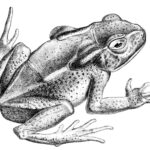
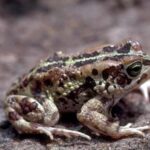
Though Rhinella bernardoi does not boast the spectacular flamboyance of more famous amphibians, its physical characteristics reveal remarkable evolutionary adaptations. Adults commonly reach lengths between 40 and 60 mm, making them modestly sized. Their bodies feature earthy coloration—shades of brown, tan, and green hues—that blend seamlessly into soils, grasses, and leaf litter, offering exceptional camouflage from predators.
The skin of Rhinella bernardoi is notably dry and rugged, dotted with small wart-like projections. At the sides of its head lie prominent parotoid glands, capable of secreting a mild toxin as a defensive mechanism against would-be attackers. While non-threatening to humans, this toxin effectively deters predators, discouraging bites with an unpleasant taste.
Beyond coloration and chemical defenses, the toad’s muscular hind legs facilitate efficient terrestrial movement. Unlike tree-dwelling frogs, Rhinella bernardoi rarely climbs and instead possesses robust, proportionate limbs optimized for efficient ground locomotion, burrowing, and digging shallow depressions to escape midday heat and drought conditions.
Behavior and Life Cycle: From Rainy Evenings to Tadpole Transformation#
Each rainy season triggers an extraordinary annual rhythm guiding Rhinella bernardoi through essential reproductive activities. With dusk settling over freshly soaked terrain, males begin a chorus of subdued yet persistent calls—deep trill-like vocalizations drifting gently into the humid evening air, their purpose singular yet crucial: attracting females to temporary breeding ponds.
Courtship Rituals and Egg Laying Strategies#
Embracing a fascinating mating ritual known as amplexus, male Rhinella bernardoi clasp firmly onto approaching females, ensuring external fertilization of eggs as females release them into the water. The result is an elegant dance of life, as gelatinous egg strings gracefully float through shallow pools, settling amid aquatic plants and grasses that provide crucial protection and nourishment.
The Journey from Tadpole to Adult Toad#
Within just a few days, translucent tadpoles emerge, rapidly growing and consuming microscopic algae, plant matter, and tiny aquatic insects. Tadpole survival hinges upon rapid development; ephemeral pools evaporate quickly under powerful subtropical sunshine, pressuring accelerated transformation into land-dwelling juveniles.
After as little as six to eight weeks, tiny toadlets equipped with miniature versions of an adult’s hardy physical adaptations emerge onto land. At this vulnerable stage, survival rates prove fragile, as young toads encounter myriad threats ranging from environmental extremes to constant predation. Successful individuals eventually reach reproductive maturity within a year, continuing the ancient cycle anew.
Ecological Role: A Keystone Species in Its Own Right#
Despite their subdued stature and quiet demeanor, Rhinella bernardoi occupies critical ecological niches within its subtropical homeland. Through voraciously consuming insects and small invertebrates such as beetles, flies, and ants, this amphibian controls potential pest populations, balancing insect biodiversity within its territory.
Simultaneously, Rhinella bernardoi provides vital sustenance for larger predators—in particular, wading birds, snakes, larger amphibians, and mammals occasional feast upon this humble yet essential food source. Such intricate multi-level interactions underscore the critical ecological significance one modest species can hold, triggering cascading effects throughout food webs and ecological communities.
Threats and Conservation Status: Navigating a Changing World#
Rhinella bernardoi faces challenges forgivingly common among amphibians worldwide. Habitat loss due primarily to agricultural expansion and urbanization threatens entire ecosystems required for breeding and survival. Pesticides frequently used in farming can harm amphibian larvae directly, while climate change dramatically alters rainfall patterns essential for breeding success.
Currently classified by the International Union for Conservation of Nature (IUCN) as Data Deficient, we lack comprehensive population assessments needed to clearly gauge conservation urgency. However, recognition of threats is prompting researchers to conduct further studies, sparking community involvement and awareness campaigns vital for proactive conservation strategies aimed at safeguarding this subtle amphibian treasure.
Cultural and Scientific Significance: Discoveries Waiting Below Humble Appearances#
While Rhinella bernardoi may not prominently feature in local folklore or indigenous traditions, the species itself serves as a symbol of ecological authenticity and wildlife resilience. Scientifically significant, studies focused on its unique morphological traits, reproductive adaptations, and environmental sensitivity provide valuable insights into broader ecological dynamics and conservation physiology.
Conclusion: Celebrating Rhinella bernardoi and Taking Conservation Action#
Every species, no matter how quietly it lives its life or blends into the natural tapestry of its habitats, contributes profoundly to Earth’s biodiversity. Rhinella bernardoi exemplifies this reality: modest in appearance yet exceptional in adaptation, fascinating in behavior, and essential to delicate ecological balances
Understanding Rhinella bernardoi invites us to closely examine ecosystems less flashy yet equally magnificent. As nature enthusiasts, students, researchers, and lovers of wildlife, we must advocate for ecosystems conservation—remembering that behind modesty often lies ecological greatness deserving of our respect, admiration, and diligent protection.