- Illuminating the Blue-Spotted Guardian of the Amazon: The Fascinating Story of Rhaebo caeruleostictus
- Taxonomy and Classification of Rhaebo caeruleostictus
- The Natural Habitat: Where the Blue-Spotted Toad Roams
- Physical Characteristics: Blue Spots and Hidden Defenses
- Behaviors and Life Cycle: From Secretive Tadpole to Quiet Predator
- Ecological Role: Guardians of Balance in the Understory
- Threats and Conservation: Safeguarding the Amazon’s Vulnerable Sentinels
- Cultural and Scientific Significance: A Window into the Natural World
- Conclusion: A Call to Cherish and Protect
Illuminating the Blue-Spotted Guardian of the Amazon: The Fascinating Story of Rhaebo caeruleostictus#
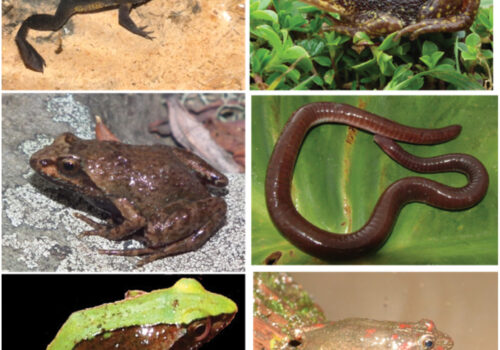
Hidden within the lush tapestry of the Amazon rainforest, among the dappled shadows cast by enormous tropical leaves, a striking creature moves silently across the forest floor. Its mottled skin, bold yet perfectly camouflaged, reveals sudden flashes of deep blue spots as it shifts position—a subtle but mesmerizing warning. This intriguing sight belongs to Rhaebo caeruleostictus, commonly known as the blue-spotted toad, a species whose quiet existence beautifully illustrates both the richness and vulnerability of our world’s most complex ecosystems.
While many amphibians captivate with vocal serenades or vibrant displays, Rhaebo caeruleostictus enchants through an understated charm, quietly influencing its environment far beyond initial impressions. As we venture together into the depths of its rainforest habitat, we’ll unravel the secrets of its biology, discover behaviors shaped by millions of years of evolution, and explore the pressures that threaten its delicate existence. Welcome to the world of Rhaebo caeruleostictus, a frog whose quiet presence speaks volumes about the health of our planet.
Taxonomy and Classification of Rhaebo caeruleostictus#
To truly understand the importance and uniqueness of any species, we must first situate it within its broader taxonomic context. As part of the Bufonidae family, Rhaebo caeruleostictus finds kinship with true toads—amphibians known for their ruggedness, distinctive wart-covered skin, and terrestrial preferences.
The Family Bufonidae#
Bufonidae ranks among the largest amphibian families, encompassing familiar garden companions as well as obscure species hiding deep in remote jungles. Characteristically hardy and adaptable, true toads show remarkable ecological versatility. Though the family Bufonidae is vast and diverse, members often share certain universal traits, including dry, glandular skin capable of secreting toxins for protection. However, within this robust lineage, the blue-spotted toad (Rhaebo caeruleostictus) carves its own distinct biological niche.
The Genus Rhaebo#
The genus Rhaebo includes species commonly referred to as South American forest toads, all of which inhabit tropical and subtropical forests primarily across the expansive upper Amazon basin. The genus comprises relatively few species, enhancing the uniqueness of each member, including Rhaebo caeruleostictus. Similarities in behavior, appearance, and habitat preferences unite this small group of amphibians, yet subtle nuances in appearance and behavior set each species apart.
The Natural Habitat: Where the Blue-Spotted Toad Roams#
Journeying deep into the lush heart of the upper Amazon basin, one encounters landscapes bursting with life, where sunlight dapples through dense canopies, and moisture hangs perpetually in the air. It is here, within the rainforests of southern Colombia, Ecuador, Peru, Northern Brazil, and Bolivia, that Rhaebo caeruleostictus finds its perfect home.
Preferring habitats steeped in humidity with a rich understory blanketed in leaf litter, fallen logs, and organic debris, these meticulously concealed environments not only protect the shy amphibian from predators but also offer thriving hunting grounds. Buried beneath the mosaic of decaying leaves and soil, countless invertebrates form an integral part of the toad’s diet.
Occasionally, human travelers and scientists venturing into remote jungle clearings might glimpse a blue-spotted toad on nighttime hikes, particularly after heavy rains. Such encounters offer fleeting connections between the human world and the mysteries of the Amazon’s deepest interiors, reminding us how much remains undiscovered and unexplored.
Physical Characteristics: Blue Spots and Hidden Defenses#
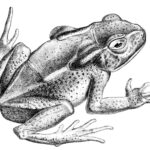
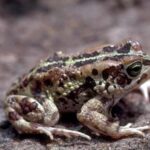
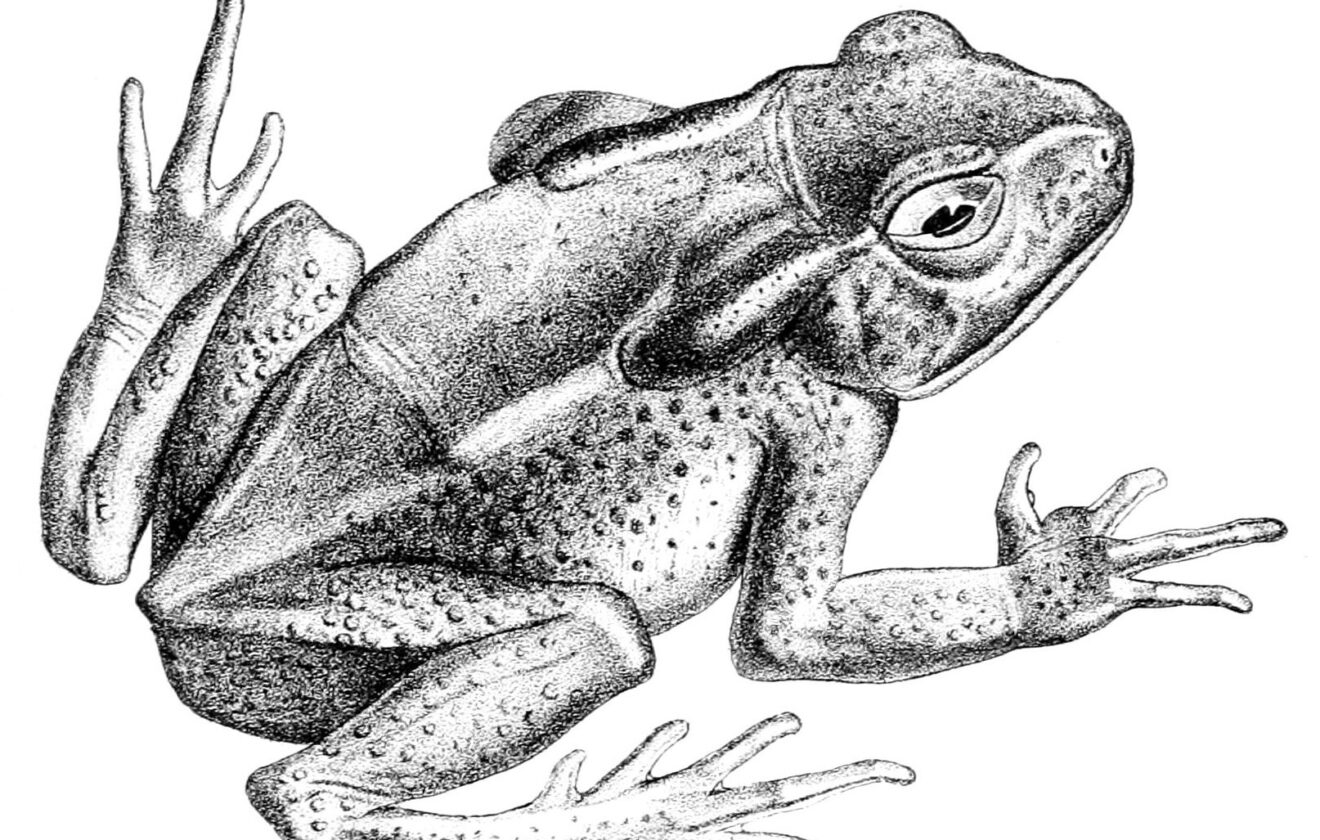
A first encounter with Rhaebo caeruleostictus leaves observers in awe of subtle beauty mixed with rugged resilience. Measuring around 5–9 centimeters in length, they embody the classic toad form—robust, stocky bodies supported by sturdy limbs perfectly designed for traversing uneven terrain. Yet it is their distinct coloration that captures immediate attention.
The skin color of Rhaebo caeruleostictus varies in shades from dark brown to olive green or even subtle reddish-brown. Impressively, it is the blue coloration that adorns their bodies—small, irregularly spaced blue spots scattered across their flanks and backs—that bestows their common name and provides a visual statement to potential predators. While seemingly decorative, these majestic blue spots serve as powerful warnings.
True to typical Bufonidae fashion, the skin is studded with glands capable of secreting a toxic substance when danger looms. These blue-accentuated glands inform predators of danger beneath the surface, providing the perfect example of aposematic coloration—nature’s method of signaling toxicity through visually vibrant patterns.
Behaviors and Life Cycle: From Secretive Tadpole to Quiet Predator#
Hidden beneath the jungle canopy, the blue-spotted toad remains largely nocturnal, reserving its awakenings for humid tropical evenings after rainfall. Only then will observers witness its gentle, shaky hop as it ambles along searching for food. Their diet primarily comprises ants, beetles, spiders, and other insects—essential contributors to the ecosystem balance within the rainforest floor.
With breeding intricately tied to seasonal rains, male toads congregate near temporary rainforest pools, unleashing soft, melodic calling choruses designed to attract females. Females select suitable mates, drawn by the tonal subtleties of song, laying long strands of eggs submerged within shaded transient pools, protected from many predators yet vulnerable to changes in climate patterns and habitat disturbance.
The metamorphosis from tadpole to adult unfolds silently beneath the tranquil surface—yet remains an extraordinary natural phenomenon. As tadpoles, they are herbivorous, grazing algae and microorganisms from submerged vegetation or organic debris. After several weeks, tiny limbs grow, tails shrink, gills retreat, and these tiny swimmers gradually transition into terrestrial existence, prepared to live mostly hidden, quiet lives on the rainforest floor.
Ecological Role: Guardians of Balance in the Understory#
While human eyes rarely notice these understated hunters, their contribution to rainforest health and integrity cannot be overstated. As predators, blue-spotted toads regulate insect populations, assisting in maintaining equilibrium between species. Simultaneously, they form an essential link in the food web—preyed upon occasionally by snakes, birds, and small mammals bold enough to navigate their chemical defenses.
Their habitat selectivity also positions these amphibians as effective environmental indicators. Alterations in amphibian abundance and diversity often herald larger ecological disruptions, to which these sensitive creatures swiftly respond, offering crucial insight into ecosystem change dynamics before other organisms begin to falter. Thus, protecting species like Rhaebo caeruleostictus safeguards broader environmental stability.
Threats and Conservation: Safeguarding the Amazon’s Vulnerable Sentinels#
Despite its crucial role and captivating biology, much remains unknown regarding the exact population and conservation status of Rhaebo caeruleostictus. Presently classified as “Least Concern” by the IUCN, the species still faces pressing threats from habitat loss and degradation due to logging, mining, agriculture expansion, and pollution.
Beyond deforestation and direct habitat depletion, amphibians everywhere feel increasingly vulnerable to disease, particularly chytridiomycosis—a deadly fungal pathogen that has decimated amphibian populations worldwide. Conservation institutions strive to understand and mitigate these threats, taking proactive measures to maintain healthy rainforest habitats and biodiversity hotspots across the Amazon biome.
Cultural and Scientific Significance: A Window into the Natural World#
From indigenous folklore to modern scientific research, amphibians often symbolize renewal, transition, and environmental health. The blue-spotted toad serves as an emblem of meticulous adaptation and balanced coexistence, inspiring both cultural reverence and scientific curiosity. Their venomous secretions present researchers with opportunities to explore biochemical complexities—perhaps even unlocking medical applications crucial to human health.
Conclusion: A Call to Cherish and Protect#
The delicate story of Rhaebo caeruleostictus resonates beyond the tangled forest understory, reaching deeply into humanity’s ethical responsibilities to our planet’s wondrous biodiversity. By understanding, cherishing, and advocating for these remarkable creatures, we secure not only their survival but also the future integrity of the ecosystems we all rely upon. Let us move forward together, committed to safeguarding this vivid, irreplaceable fragment of Earth’s natural masterpiece.