- The Enigmatic Osornophryne simpsoni: Life in the Misty Realms of the Andes
- Introduction: A Tiny Amphibian with a Big Story
- Taxonomy and Classification: Understanding Its Place in the Amphibian World
- Natural Habitat: Life in the Cloud Forests
- Physical Characteristics: Tiny but Remarkably Adapted
- Behavior and Life Cycle: A Hidden Existence
- Ecological Role: Essential Links in Biodiversity Chains
- Threats and Conservation Status: Challenges in a Changing World
- Cultural and Scientific Significance: A Symbol of Resilience and Discovery
- Conclusion: Advocating for an Amphibian Ambassador
The Enigmatic Osornophryne simpsoni: Life in the Misty Realms of the Andes#
Introduction: A Tiny Amphibian with a Big Story#
Deep within the cool, mist-laden forests of the tropical Andes, a small, uniquely adapted creature quietly inhabits moss-covered landscapes. Known scientifically as Osornophryne simpsoni, Simpson’s Plump Toad embodies nature’s craft of adaptation and resilience, thriving in a delicate balance with its environment. Named after the distinguished zoologist James Simpson, this toad remains relatively obscure to science enthusiasts and the general public alike, yet it offers an inspiring story—a tale marked by remarkable adaptation, ecological significance, and urgent conservation challenges.
With its intriguing habits and elusive behavior, Osornophryne simpsoni sparks curiosity and admiration, reminding us how critical even the smallest species can be to the tapestry of life in the Andes.
Taxonomy and Classification: Understanding Its Place in the Amphibian World#
Osornophryne simpsoni resides within the Bufonidae family, commonly known as true toads. The Bufonidae family encompasses a tremendous diversity of toads, varying dramatically in morphology, lifestyle, and habitat. This particular species belongs to the genus Osornophryne, which includes small, ground-dwelling, terrestrial amphibians closely associated with moist cloud forests of the South American highlands. First described scientifically in 1967 by eminent herpetologist Jay Savage, this species has since intrigued herpetologists for its distinctive features and specialized behaviors characteristic of high-altitude adaptations.
Natural Habitat: Life in the Cloud Forests#
An Enchanted Realm#
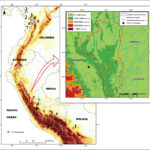
The forests that shelter Osornophryne simpsoni seem like realms pulled straight from fantasy tales. Cloaked perpetually in mist, these Andean cloud forests stretch across Colombia, Ecuador, and parts of northern Peru at elevations ranging from 2,800 to 3,800 meters above sea level. The continuous presence of fog allows mosses, epiphytes, and ferns to flourish, crafting a lush, emerald tapestry that carpets every available rock, branch, and soil patch. Within this mystical space, O. simpsoni moves gently but purposefully.
Adaptations to Life in the Mist#
The habitat preferences of Osornophryne simpsoni reflect a remarkable evolutionary adaptation. Preferring damp, moss-covered forests and paramos (high-altitude grasslands), these amphibians are ideally suited to cooler temperatures and high humidity levels. This specialized habitat choice significantly reduces competition with other amphibians—few others have developed the suite of adaptations needed to survive in such wet, wind-whipped environments year-round.
These frogs seek microhabitats among bromeliads, mossy logs, and leaf litter, all serving as essential refuges from predators and extreme weather conditions. Each choice in their hidden world is strategic, signifying the species’ delicate interdependence with the cloud forest ecosystem.
Physical Characteristics: Tiny but Remarkably Adapted#
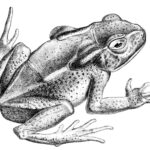
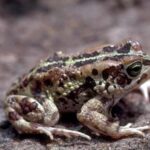
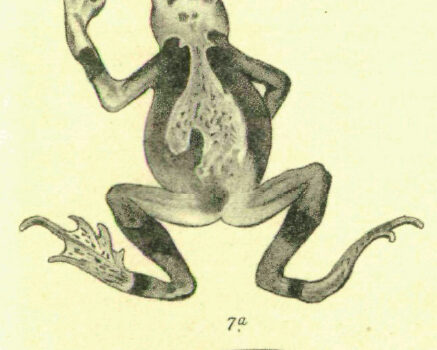
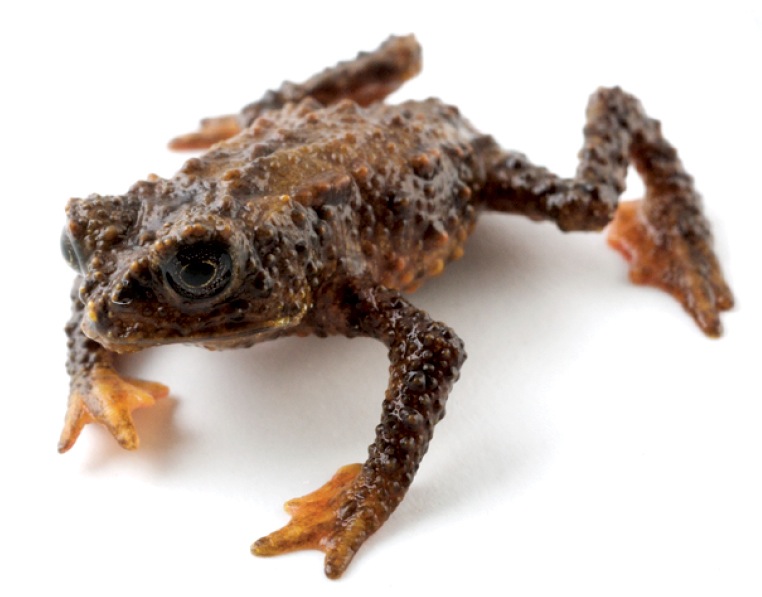
Osornophryne simpsoni is a diminutive creature, typically measuring just 20–30 millimeters from snout to vent, yet its small stature belies a captivating array of physical features. Their bodies are robust and somewhat flattened, aiding in camouflage among mosses. Their subtly rough skin texture mimics the forest floor remarkably well—a defense mechanism that keeps them concealed from predators such as snakes or birds.
The coloration of these toads ranges from shades of mossy greens to deep browns and grays, all seemingly designed to blend seamlessly with their fog-drenched surroundings. Importantly, these amphibians lack brightly colored markings typical of their lowland relatives, an adaptation selected by their habitat’s unique predatory pressures and environmental conditions.
Each small feature, from their minute toes adapted for gripping damp substrates, to their subtle yet profound capacity for camouflage, narrates a fascinating saga of evolutionary refinement.
Behavior and Life Cycle: A Hidden Existence#
Dietary Secrets#
Despite their small size, these toads are adept predators of tiny invertebrates, such as mites, springtails, and small beetles. Patient and inconspicuous hunters, they wait motionless amid the mossy foliage, striking with surprising speed to secure their prey. Their feeding ecology reflects the unique biodiversity of their high-altitude home, highlighting the intricate web of life upon which Osornophryne simpsoni depends.
Reproduction and Parental Care#
Osornophryne simpsoni exhibits fascinating reproductive adaptations suitable for their demanding habitat. Unlike many amphibians, this species lays fewer eggs compared to lower-altitude species but invests significantly more energy into parental care. Eggs are typically laid in humid microhabitats such as moss clumps or bromeliads, ensuring protection from harsh climatic variations while offering optimal humidity conditions for developing embryos.
Interestingly, unlike many amphibian species, their life cycle bypasses the aquatic tadpole stage. Instead, the young emerge directly as miniature versions of their parents—a critical adaptation in an environment where suitable standing water may be minimal or quickly evaporated by wind and sunlight at high altitudes. This direct development strategy significantly improves survival rates in such challenging contexts.
Ecological Role: Essential Links in Biodiversity Chains#
Though small and enigmatic, Osornophryne simpsoni plays a pivotal role within its ecosystem. Functioning as both predator and prey, this amphibian helps maintain invertebrate populations in balance and serves as a meal for snakes, birds, and mammals adapted to these high-altitude environments.
Additionally, frogs and toads, including Osornophryne simpsoni, act as critical bioindicators. Their permeable skin and specific climate requirements make them highly sensitive to environmental changes such as pollution, climate shifts, and habitat degradation. Monitoring population health provides researchers a vital gauge of ecological well-being in sensitive Andean ecosystems.
Threats and Conservation Status: Challenges in a Changing World#
Current Conservation Status#
The International Union for Conservation of Nature (IUCN) currently classifies Osornophryne simpsoni as Vulnerable. Habitat loss due to agriculture expansion, deforestation, and climate change increasingly threatens their existence. Altered precipitation patterns and rising temperatures may disrupt the very cloud forests and paramos they rely upon.
Conservation Efforts Underway#
Efforts to protect Osornophryne simpsoni center around safeguarding their high-altitude habitats. Conservationists are working closely with local communities, governments, and international organizations to establish protected areas, promote sustainable agriculture, and educate stakeholders on the importance of conserving Andean biodiversity.
Cultural and Scientific Significance: A Symbol of Resilience and Discovery#
While generally not prominent in local cultural traditions specifically, amphibians overall are often respected for their ecological importance, representing symbols of rain, fertility, and environmental health in Andean societies. Scientifically, this species has become an important subject in understanding high-altitude adaptations and evolutionary biology, especially resilience in harsh environmental conditions.
Conclusion: Advocating for an Amphibian Ambassador#
Osornophryne simpsoni offers an extraordinary window into the incredible adaptations of high-altitude amphibian life. Appreciating this species invites us to dive deeper into the wonders of biodiversity hidden within seemingly inhospitable environments. Protecting these cloud forest ecosystems is essential not only for ensuring the survival of a single species but also for preserving the complex ecological interactions they help sustain.
As readers, nature enthusiasts, and conservation advocates, the story of Osornophryne simpsoni compels us to acknowledge how interconnected and delicate our natural world truly is. It beckons us to join efforts to foster biodiversity conservation, securing a hopeful future not just for Simpson’s Plump Toad but for an entire community of beings living amidst the clouds.