Nymphargus cristinae: Unveiling the Mysteries of the Glass Frog of the Andean Cloud Forests#
The night air is cool and heavy with moisture as mists drift lazily through the slopes of Colombia’s lush Andes mountains. Silvery droplets adorn each vivid green leaf, illuminated gently by faint moonlight filtering through clouds overhead. Here, amidst dangling bromeliads and verdant mosses cloaking ancient trees, dwells a creature of almost ethereal wonder—the Nymphargus cristinae, a captivating glass frog whose transparent, jewel-like skin whispers gentle secrets to those lucky enough to behold it.
Imagine peering closer and seeing the fluttering heartbeat beneath translucent skin—the intimate workings of life itself displayed openly, a reminder of the breathtaking complexity and fragility of our natural world. This astonishing amphibian, known affectionately by conservationists and nature enthusiasts alike, offers a poignant symbol of the boundless beauty harbored in the vanishing cloud forests of South America, and an urgent reminder why their preservation is essential.
Taxonomy and Classification#
Nymphargus cristinae belongs to the family Centrolenidae—a fascinating lineage encompassing the enigmatic “glass frogs.” Known scientifically as Centrolenids, these amphibians garnered their common name due to the translucent skin that reveals their internal anatomy. Within the bustling, biodiverse world of the Andes, Nymphargus cristinae occupies a distinct evolutionary branch characterized by unique morphological adaptations and specialized habitat preferences.
The genus name, Nymphargus, underscores this frog’s delicate beauty, evoking the ethereal imagery of forest nymphs from mythological narratives. The species epithet “cristinae” honors Cristina Vélez, who contributed significantly to the assessment and the conservation awareness of amphibians in Colombia, thus ensuring the species’ enduring scientific legacy is intertwined with endeavors towards preservation and diversity study.
Closely related to other glass frog species, such as Nymphargus grandisonae and Nymphargus griffithsi, Nymphargus cristinae maintains its place as a distinctive, readily identifiable species within its genus. Continued DNA and morphological analyses reinforce its uniqueness, bolstering the necessary push toward targeted conservation action for this enchanting creature.
Natural Habitat#
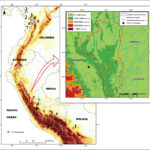
Nymphargus cristinae’s range is genuinely captivating, restricted primarily to the cloud forests within Colombia’s Andean landscapes. These regions thrive on perpetual moisture, cool temperatures, and dense plant cover, forming a perfect harmony of conditions that create the ideal habitat for sensitive amphibians. Nestled at elevations typically ranging from 1600 to over 2000 meters above sea level, the frog has adapted perfectly to its mist-blanketed, lush mountainous environments.
Amidst resounding cascades and gurgling streams winding gently through shaded forest gullies, Nymphargus cristinae perches delicately along foliage that glistens in constant humidity. It favors the vegetation that fringes these rivers and creeks, where humidity creates the perfect microhabitat suitable for frog reproduction and larvae development.
A Symphony of Interactions in a Fragile Habitat#
The intimate relationship between Nymphargus cristinae and its habitat reveals impressive specificity. Each leaf selected as a breeding site must balance exposure and security—open enough to afford immediate access to an aquatic life-giving resource, yet secluded sufficiently to guard against predators. The harmony achieved between this delicate frog and its home influences the broader web of life in cloud forest ecosystems, signifying the amphibian’s irreplaceable biological role.
Physical Characteristics#
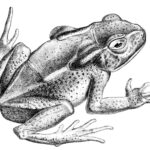
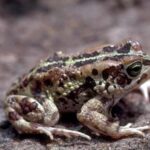
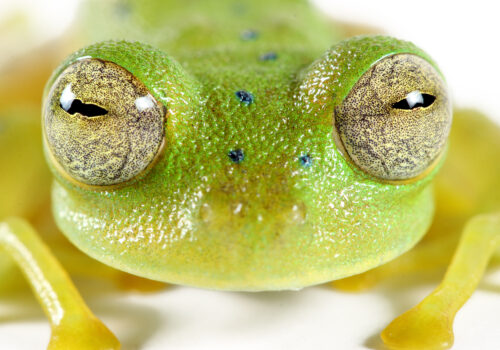
If you have the privilege to encounter a Nymphargus cristinae in person, you’ll be struck immediately by its enchanting transparency—an adaptation that seems almost otherworldly. Adult frogs measure delicately in length, typically ranging between 25 to 28 millimeters, comfortably nestled within the palm of an observer’s hand. Their slender bodies supported by slender limbs exhibit remarkable elegance balanced by subtly powerful musculature, tailored explicitly for their arboreal lifestyle.
The creature’s dorsal coloring fluctuates subtly between shades of pale green to yellowish-green—hues that mimic surrounding leaves with stunning accuracy, highlighting nature’s magnificent artistry for camouflage. This coloration and translucency become immediate survival assets, concealing them from the keen sightlines of predatory insects, birds, and reptiles frequenting the lush, shadowy foliage.
A Window Into Anatomy#
Perhaps the most remarkable aspect of Nymphargus cristinae’s physicality is indeed its namesake characteristic—the transparent ventral skin exposing internal organs. Observers can marvel at the softly pulsating heart, the delicate branching of blood vessels, and the rhythmic inflation and deflation of lungs in real-time, providing researchers with invaluable insights into amphibian biology and physiology. This translucent adaptation, while strikingly beautiful, remains somewhat mysterious in evolutionary terms, calling conservationists and researchers alike to probe more profoundly into its functional purposes.
Behavior and Life Cycle#
When the Andean sun dips behind the silhouetted mountain peaks, twilight envelops the cloud forests, summoning the glass frog from its daytime concealment. At night, males engage in delicate choruses of gentle, high-pitched calls designed to entice females from deep within their mossy hideaways. Carefully positioned upon overhanging leaves near water, these nocturnal serenades echo softly amidst the murmuring streams, creating a delicate audible tapestry against the humming nocturnal forest backdrop.
Upon successful courtship, females deposit gelatinous egg clusters underneath the foliage that hangs strategically over slow-moving or gentle waters. This particular placement ensures that, upon hatching, tadpoles plunge safely into suitable aquatic environments, immediately beginning their arduous journey through metamorphosis. With unwavering commitment, males often remain vigilant guardians of these delicate communal nurseries, diligently safeguarding their future offspring against insect predators or potential fungal encroachment—a testament to sophisticated parental care rarely observed among amphibians.
Feeding Habits#
Employing stealth reminiscent of master predators, Nymphargus cristinae patiently stalks small invertebrates lurking unsuspectedly amidst the foliage. Sharp eyes carefully track each minute movement, and when prey strays into optimal range, the frog’s tongue lashes forth at astonishing speeds, ensnaring the unsuspecting prey and securing a meal crucial for survival amid demanding ecological conditions.
Ecological Role#
Within its specialized niche, Nymphargus cristinae plays several indispensable ecological roles. Firstly, it operates as a critical predator of insects, contributing significantly to controlling pest populations—thereby maintaining a balance within forest ecosystems. Conversely, they represent a vital food resource for birds, reptiles, and larger amphibians, underscoring their central position in the local food web.
This amphibian also serves as an essential indicator species, reflecting broader ecosystem health. Because glass frogs are exceptionally sensitive to fluctuations in environmental variables—such as temperature, humidity, water quality, and pollutants—their population dynamics can serve as precise barometers of habitat integrity and ecological stability.
Threats and Conservation Status#
Despite the apparent tranquillity of their habitats, Nymphargus cristinae faces numerous environmental threats—chief among them habitat destruction and degradation. Expanding agriculture, logging, pollution, and infrastructure development press alarmingly closer into their delicate forest homes, prompting essential questions regarding long-term survival.
Further exacerbating this peril, climate change adds a layer of unpredictability—introducing altered rainfall patterns, shifting temperatures, and disturbed hydrology—endangering micro-habitats central to the frog’s prosperity. Additionally, exposure to novel diseases such as amphibian chytridiomycosis, a devastating fungal pathogen affecting frogs globally, amplifies conservation concerns.
As of recent evaluations, Nymphargus cristinae is listed by the International Union for Conservation of Nature (IUCN) as Vulnerable, signaling immediate conservation priority for researchers, local communities, and international stakeholders.
Cultural and Scientific Significance#
Beyond their captivating appearance and ecological significance, Nymphargus cristinae holds cultural and scientific resonance. Few species embody so vividly the beauty and fragility inherent within cloud forest ecosystems, and thus function effectively as ambassadors in conservation campaigns, engaging the public in broader environmental stewardship efforts.
Additionally, glass frogs have been instrumental in scientific research goals, allowing scientists deeper insights into amphibian molecular biology and physiology—yielding vital clues to amphibian health worldwide.
Conclusion: A Call to Action#
Preserving Nymphargus cristinae encapsulates far more than safeguarding one beautifully transparent amphibian—it signifies holding onto irreplaceable biodiversity, ecological stability, and cultural heritage. As custodians of our planet, we must commit actively to the protection, research, and responsible stewardship of such remarkable species. Ultimately, embracing and valuing life forms such as Nymphargus cristinae will illuminate pathways toward deeper ecological understanding—and inspire genuine connection to the wondrous world around us.