- Nymphargus chami: Secrets of Colombia's Enchanting Glass Frog
- Taxonomy and Classification
- Natural Habitat: Immersion in the Misty Highlands of Colombia
- Physical Characteristics: A Living Window to the Heart
- Behavior and Life Cycle: Delicate Dance of the Glass Creatures
- Ecological Role: Vital Threads in Nature’s Delicate Fabric
- Threats and Conservation Status: Guardians Needed in a Changing World
- Cultural and Scientific Significance: Symbolizing Harmony and Ecological Insight
- Conclusion: Protecting the Jewel Among Leaves
Nymphargus chami: Secrets of Colombia’s Enchanting Glass Frog#
Hidden within the verdant tapestry of Colombia’s lush cloud forests, an extraordinary amphibian dwells quietly, almost unseen, amidst leaves glistening with mist. The Nymphargus chami, a captivating species of glass frog, embodies nature’s artistry – a living jewel whose translucent skin offers an intimate window into its delicate biological workings. As one gazes upon this mysterious creature, its heart gently pulsating beneath transparent flesh, it’s impossible not to feel a sense of awe at nature’s boundless ingenuity.
First described in 2008, Nymphargus chami belongs to the family Centrolenidae, commonly known as glass frogs, prized by researchers and enthusiasts alike for their extraordinary adaptations and elusive lifestyle. Despite relatively recent scientific discovery, this enigmatic species has rapidly drawn attention due to its unique appearance and significant ecological role, prompting both scientific inquiry and critical conservation dialogue.
Taxonomy and Classification#
The glass frog known as Nymphargus chami finds its taxonomic home within the extensive amphibian family Centrolenidae. This diverse group is renowned for their transparent abdominal skin, visible internal organs, and remarkable reproductive habits, represented across Central and South America’s tropical ecosystems.
Formally identified and named by herpetologists Ruiz-Carranza and Lynch in 2008, Nymphargus chami is distinguished within its genus by specific morphological characteristics and genetic markers. Its name “chami” pays homage to the indigenous Emberá–Chamí people, who have historically lived in close harmony with the amphibian’s natural habitats in the Andean forests of Colombia.
Natural Habitat: Immersion in the Misty Highlands of Colombia#
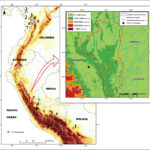
Nymphargus chami is endemic exclusively to Colombia, primarily found nestled along the verdant slopes of the country’s western Andes. Preferring high-altitude rainforests and cloud forests, this species favors regions between elevations of 1,400 to 2,500 meters above sea level, where fog consistently blankets the dense canopy in a perpetual veil of moisture.
Here, within the shaded confines of riparian forests and streamside vegetation, the Nymphargus chami thrives among broad-leaved plants and moss-draped branches. Crystalline, fresh-running streams form the lifeblood of their existence, vital for breeding and larval development, while the humidity-rich atmosphere provides the essential moisture needed for survival. Dampness permeates everything, nurturing an abundance of insect prey, sheltering amphibian eggs, and shaping an ideal microhabitat for these glass frogs.
The interconnectedness of the species with its montane habitat reflects a carefully balanced ecological assemblage, where each organism—and indeed, each drop of rain—plays its role in the delicate life cycle of Nymphargus chami.
Physical Characteristics: A Living Window to the Heart#
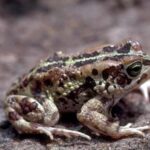
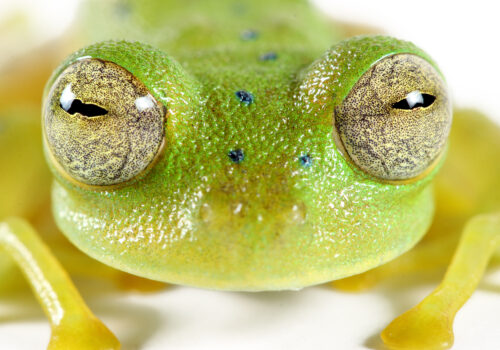
The aesthetic allure of Nymphargus chami is undeniably rooted in its distinctive appearance. Typically measuring between 20 to 26 millimeters, this diminutive creature possesses smooth, vibrant green or yellow-green upper surfaces adorned with faint speckling patterns, melding seamlessly into the surrounding foliage.
Yet, it is the undersurface that truly defines the appeal of Nymphargus chami. Translucent ventral skin reveals charming glimpses of internal workings, including visible bones, beating hearts, arteries coursing quietly beneath the surface, and, in females, softly translucent clusters of eggs during breeding periods.
This striking adaptation is thought to be an ingenious survival mechanism—camouflaging them effectively by diffusing outlines against their leaf backgrounds. Indeed, predators scanning for these tiny amphibians often fail to notice them among glistening leaves, fooled entirely by this subtle strategy of concealment.
Behavior and Life Cycle: Delicate Dance of the Glass Creatures#
Feeding Habits and Predatory Behaviors#
Primarily nocturnal, Nymphargus chami emerges from daytime refuge during humid nights, embarking upon a quiet but diligent quest for nourishment. Its diet consists mostly of small insects like ants, tiny beetles, and flies, meticulously captured via a lightning-fast extension of its sticky tongue. Their keen vision and acute sensory perception effectively guide nocturnal hunting endeavors, facilitating their role as responsive insect predators within their environment.
Breeding and Parental Strategies#
Reproduction in Nymphargus chami showcases fascinating parallels with other glass frogs. Male frogs boldly claim territories close to gently flowing streams, marking tranquil nights with soft, high-pitched vocalizations to attract wandering females. Courtship culminates in egg deposition—small clusters carefully and strategically placed by the female on vegetation overhanging forest streams.
This meticulous positioning ensures newly hatched tadpoles can swiftly, almost immediately upon emerging, plunge directly into the water below, thus minimizing predation exposure and offering optimal survival conditions. Throughout the egg developmental period, males display remarkable paternal vigilance, maintaining continuous watchfulness to guard and moisten clutches, responding attentively to environmental threats and desiccation.
In mere weeks, fragile yet resilient tadpoles mature into juvenile frogs, gradually navigating their way from streams’ safe haven into the dense forest canopy, carrying within themselves the promise of a renewed generation of delicate forest guardians.
Ecological Role: Vital Threads in Nature’s Delicate Fabric#
As integral residents of their montane habitat, Nymphargus chami frogs assume profound ecological significance—tireless insect predators, helping maintain balanced insect populations and thereby preserving ecological stability. Glass frogs also provide nourishment for birds, mammals, and reptiles, weaving tightly interconnected food webs in their rich Colombian cloud forest communities.
Moreover, their profound reliance upon sensitive, pristine aquatic habitats renders glass frogs key biological indicators, their presence or absence reflecting ecological health. Scientists monitoring populations of Nymphargus chami consider species survival as indicative beacons of ecosystem health, underpinning environmental decisions and targeted conservation practices.
Threats and Conservation Status: Guardians Needed in a Changing World#
Unfortunately, the serenity and seclusion of the Nymphargus chami habitat face growing disruption. Fragmentation of forest habitats due to agricultural expansion, logging, and various developmental interventions significantly compromise survival prospects. Coupled with these immediate physical threats, global climatic shifts alter delicate rainfall patterns and temperature stability crucial to the species.
Due to its restricted range and sensitive habitation requirements, the International Union for Conservation of Nature (IUCN) currently lists Nymphargus chami as Near Threatened, underscoring urgent conservation priorities.
Fortunately, dedicated grassroots efforts, indigenous community-led initiatives, and active scientific research combine to assertively protect and restore critical habitats. Colombian conservationists, researchers, and local communities collaborate closely, fostering awareness programs, habitat stewardship, and ecological monitoring necessary to safeguard this extraordinary species for future generations.
Cultural and Scientific Significance: Symbolizing Harmony and Ecological Insight#
Deeply woven into Colombia’s cultural tapestry, Nymphargus chami symbolizes harmony with nature, reflecting indigenous philosophies recognizing interconnectedness among lifeforms. Their translucent beauty captivating generations serves as a natural emissary for emerging conservation ethos, inspiring local pride and national commitment.
Scientifically, Nymphargus chami continues contributing directly to amphibian ecology research, offering invaluable insight into adaptation, reproduction, ecosystem health, and climate vulnerability studies.
Conclusion: Protecting the Jewel Among Leaves#
Nymphargus chami embodies the quiet, hidden wonder tucked among misty branches and bubbling Andean streams—a secretive gem reflecting nature’s magnificent artistry. Their remarkable anatomical transparency, delicate lifestyles, and finely tuned ecological adaptations weave profoundly through Colombia’s forest ecosystems.
Yet, these captivating creatures whisper a subtle warning: preservation of biodiversity depends intimately on collective responsibility and appreciation. May the enduring magic of the translucent glass frog inspire you to champion conservation endeavors, ensuring Nymphargus chami’s heart continues beating unseen, yet decidedly cherished, in Colombia’s emerald forests for many generations to come.