- Nymphargus chancas: The Enchanting Glass Frog of Peru’s Cloud Forests
- Taxonomy and Classification of Nymphargus chancas
- The Magical Realm: Natural Habitat of Nymphargus chancas
- The Ethereal Appearance: Physical Characteristics of Nymphargus chancas
- Behavior and Life Cycle: Secrets of an Elusive Amphibian
- Ecological Significance: Indicator Species of Mountain Ecosystems
- Threats and Conservation Efforts for Nymphargus chancas
- Cultural and Scientific Significance
- Conclusion: A Call To Action to Protect Nymphargus chancas
Nymphargus chancas: The Enchanting Glass Frog of Peru’s Cloud Forests#
Beneath the shifting mists and emerald foliage of Peru’s verdant cloud forests exists a creature of near-mythical beauty—Nymphargus chancas, a rare and remarkable species of glass frog. Delicately translucent and impossibly graceful, this amphibian captivates biologists and nature enthusiasts alike with its ethereal appearance and secretive habits. Known also by its scientific appellation, Nymphargus chancas, this unique frog offers a fascinating window into the largely hidden richness of rainforest diversity.
Named after the ancient Chanca civilization indigenous to the highlands of Peru, Nymphargus chancas is a compelling reminder of our intimate connection to nature and the urgency of protecting vulnerable ecosystems. While humble in size, these frogs play an indispensable role in the delicate balance of their lush habitats and serve as vital indicators of environmental health.
Taxonomy and Classification of Nymphargus chancas#
Nymphargus chancas belongs to the family Centrolenidae, probably best known to most as the family of “glass frogs”. The genus Nymphargus itself encompasses an entire lineage of glass frogs found primarily distributed across the cloud forests and montane habitats of the Neotropics, particularly in regions of Andean South America.
This fascinating species, first described scientifically in 2004, is closely related to other glass frogs, sharing many characteristics within the genus, notably its delicate body shape, nearly transparent ventral side, and distinctive eggs laid on vegetation overhanging streams. The taxonomic clarity within this genus has made it a focal point for understanding amphibian diversity and evolution in Andean ecosystems.
The Magical Realm: Natural Habitat of Nymphargus chancas#
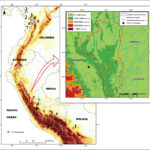
The natural habitat of Nymphargus chancas lies amid the gentle mist and dripping greenery of Peruvian cloud forests. Primarily noted in high-altitude rainforests between elevations of about 900 and 2,400 meters above sea level, their range is concentrated within the eastern slopes and valleys of the Peruvian Andes, particularly within the Río Huallaga drainage basin.
Here in mountainous terrain wrapped in constant fog, Nymphargus chancas thrives in humid environments, favoring leaf-covered shrubs, ferns, and moss-covered branches adjacent to small streams. Cool temperatures, high humidity levels, and dense shaded vegetation create ideal conditions for this species. Their preference for pristine habitats makes them particularly sensitive to habitat disturbances, pollution, and climate stochasticity, highlighting their importance as environmental indicators within their ecosystems.
Adaptation to Cloud Forests#
The cloud forests characterized by misty canopies and a mosaic of moss-draped vegetation form an inseparable component of glass frog survival. The unique microclimates found here regulate temperatures, moisture levels, and nurture considerable biodiversity. Within this green tapestry, Nymphargus chancas has evolved specialized adaptations that facilitate their life in the clouds, especially their incredible camouflage and behavioral strategies that help evade potential predators.
The Ethereal Appearance: Physical Characteristics of Nymphargus chancas#
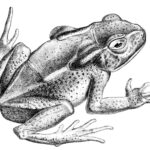
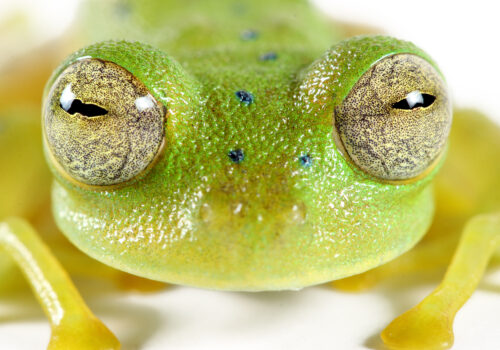
Perhaps the most instantly captivating trait of Nymphargus chancas is its aesthetic allure. In shape, these are delicately proportioned frogs, small and slender, typically no larger than 2 to 3 centimeters. Their coloration is generally a vibrant shade of green, perfectly suited to blend seamlessly into the surrounding foliage. The translucence identified as a signature of glass frogs is astonishing enough to reveal their internal organs, such as their beating hearts and digestive tracts—a natural marvel in itself!
This transparency, alongside their bright green dorsal skin peppered with minuscule pale-yellow or white spots, affords them superb camouflage among dew-covered leaves. Their legs sport distinctly small webbed feet, enabling them to deftly navigate plant surfaces and clutch foliage. Their large golden eyes, rich in sensory capabilities, dominate their small, rounded heads—a vital adaptation to their nocturnal existence and acute predation strategies.
Behavior and Life Cycle: Secrets of an Elusive Amphibian#
Nocturnal Serenades#
The life of Nymphargus chancas is predominantly nocturnal, using the sheltering darkness of cloud-blanketed nights to hunt, mate, and socialize. Males typically call out from strategically chosen perches on leaves near gently flowing streams or ephemeral bodies of water. Their calls, gentle yet insistent chirps and whistles, blend seamlessly with the nighttime chorus, subtly echoing through the green mist.
A Delicate Dance: Courtship and Reproduction#
During mating season, the males’ serenades intensify as they compete acoustically for the attention of receptive females. Upon successful courtship, females deposit unique gelatinous egg clusters directly onto leaves or vegetation hanging above water. Remarkably, Nymphargus chancas exhibit parental care, particularly males, who remain close to their clutch, quietly guarding and sometimes hydrating eggs by secreting moisture. The transparent egg clusters, suspended delicately above the stream, reveal embryonic tadpoles within—an extraordinary insight into amphibian life.
The Tadpole’s Journey#
When mature, tadpoles detached from their leafy birthplace swiftly drop into the stream waters below, beginning their aquatic life stages. Here they graze on algae, developing rapidly until their transformation into juvenile frogs. Their survival at this stage hinges critically upon pristine, unpolluted waters, emphasizing the vulnerability of the species during this crucial developmental period.
Ecological Significance: Indicator Species of Mountain Ecosystems#
Nymphargus chancas serves a critical ecological role as both predator and prey. As hunters of small insects and arthropods, they assist in regulating populations of certain insect larvae, mosquitoes, and other invertebrates, thus helping maintain ecological balances within their habitats. Conversely, their presence also provides sustenance for diverse predators such as birds, snakes, and small mammals.
Perhaps even more important is their role as bioindicator species—organisms whose health and survival directly reflect ecosystem conditions. Sensitive to minor shifts in climate variability, pollutants, or habitat degradation, any changes observed in the populations of Nymphargus chancas urgently signal deeper environmental issues. Thus, their status plays an essential part in monitoring biodiversity and guiding future conservation efforts in fragile montane ecosystems.
Threats and Conservation Efforts for Nymphargus chancas#
Habitat Loss and Climate Change#
Sadly, Nymphargus chancas faces significant ecological pressures primarily due to habitat destruction, human encroachment, and the impacts of climate change. Agricultural expansion, mining, logging, road-building activities, and contamination from pesticides threaten their delicate habitat constantly. Additionally, recent climate fluctuation challenges, such as prolonged dry spells or unpredictable rainfall patterns, significantly alter the microclimates and aquatic habitats critical to their survival.
Current Conservation Status#
Despite their recognized vulnerability, the conservation status of Nymphargus chancas remains relatively understudied and under-documented. However, like many amphibians worldwide, glass frogs are likely at risk of declining further unless preemptive conservation measures are actively implemented. Recognizing their ecological importance and the threats they face is the first step toward raising awareness and formulating protection strategies in Peru and internationally.
Cultural and Scientific Significance#
The species name “chancas” reflects cultural ties to the historical Chanca civilization, underscoring the importance of acknowledging local cultures’ intimate relationship with biodiversity. Scientifically, Nymphargus chancas offers valuable insights into amphibian evolution, adaptations to mountainous rainforest ecosystems, and perhaps even undiscovered medical or pharmaceutical possibilities inherent in amphibian physiology.
Conclusion: A Call To Action to Protect Nymphargus chancas#
As we deepen our understanding of the elusive yet astonishing Nymphargus chancas, we carry the responsibility to safeguard the fragile ecosystems they call home. Each snapshot of this small amphibian helps remind us why conserving biodiversity is vitally essential—for both the intrinsic beauty of life on Earth and the stable functioning of ecosystems worldwide.
It is up to us—nature lovers, conservationists, researchers, and residents of these lands—to support meaningful conservation initiatives, understand ecological interdependencies better, and advocate passionately for biodiversity. Through awareness, curiosity, conscientious choices, and targeted conservation strategies, we can help ensure Nymphargus chancas remains an enduring symbol and guardian of Peru’s exquisite cloud forest biodiversity.