- Centrolene elisae: The Enchanting Glass Frog of Neotropical Streams
Centrolene elisae: The Enchanting Glass Frog of Neotropical Streams#
Imagine the lush, emerald layers of a Neotropical rainforest at night, teetering delicately along the edge of a mountain stream barely kissed by moonlight. In the damp shadows, among green leaves slick with dew, a soft shimmer catches your eye—a translucent guardian keeping a quiet night watch. This delicate sentinel is none other than Centrolene elisae, an astonishing member of the enigmatic glass frog family, characterized by transparent skin and remarkable ecological roles.
Brimming with the subtle charm typical of amphibians inhabiting hidden forest niches, Centrolene elisae occupies an important yet precarious ecological position. As we journey deeper into South America’s mist-shrouded forests, we find an unfolding narrative of beauty, adaptation, and the urgent call to protect a creature that embodies the pulse of its ecosystem.
Taxonomy and Classification#
The species Centrolene elisae falls neatly within the rich tapestry of amphibian life as a member of the family Centrolenidae, commonly known as glass frogs. Glass frogs are iconic Neotropical natives, with over 150 fascinating species inhabiting Central and South America. Known specifically by its scientific nomenclature as Centrolene elisae, this small, translucent amphibian belongs to the genus Centrolene, which comprises species particularly adapted to riverine and streamside habitats.
Scientists categorize these amphibians within a broader group characterized by their remarkably transparent undersides, which grant observers a fascinating glimpse into the inner workings of their vital systems— a true marvel of evolutionary adaptation. Within its genus, C. elisae shares lineage with similar delicate species, yet remains distinct in terms of geographic distribution, vocalizations, and subtle morphological features that intrigue biologists and enthusiasts alike.
Natural Habitat of Centrolene elisae#
A Geographic Narrative: Where is Centrolene elisae Found?#
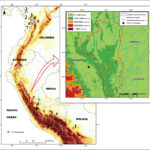
The charismatic Centrolene elisae commands discrete territory in the high-elevation rainforests and cloud forests that generously wrap the foothills and mountain ranges of South America’s Andean region. Credited primarily to Colombia, its endearing presence likewise extends into bordering regions of Ecuador—areas renowned for their extraordinary biodiversity.
Within such captivating realms, mist and moisture are constants, providing precisely the cool, damp conditions these delicate amphibians demand. From approximately 1000 to 2200 meters above sea level, the air grows heavy and filled with moisture-droplets, while winding mountain streams course consistently through fern-covered ravines. This immersive habitat fosters a specialized ecological niche, uniquely suited to the lifestyle of glass frogs, especially Centrolene elisae.
Streamside Sentinels: Microhabitat Preferences#
Glass frogs, and Centrolene elisae in particular, are inherently tied to streams or riverbanks. Inhabiting arboreal vegetation hanging directly over moving waters, they perch delicately upon moist leaves lubricated by gradual droplets coursing downward. This strategic positioning enables rapid escape and mitigates predation attempts. Moreover, during reproduction, females purposefully deposit egg masses on foliage suspended directly above streams. Such precise environmental choices are fundamental to their reproductive success.
The interconnected tapestry of ferns, mosses, and epiphytes provides not merely shelter but an ever-replenishing feast of invertebrates—small insects and arthropods—that sustain their dietary needs. Here, Centrolene elisae lives amidst lush greenery and running waters, embodying harmony in biodiversity-rich Andean ecosystems.
Astonishing Physical Characteristics#
Aptly named, glass frogs derive their moniker from the transparent underside that confers a near-magical property—allowing internal organs, bones, and even the rhythmic pulsation of hearts to be observed. Still, Centrolene elisae achieves a captivating elegance uniquely its own.
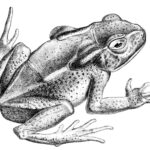
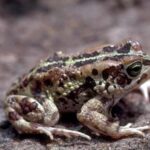
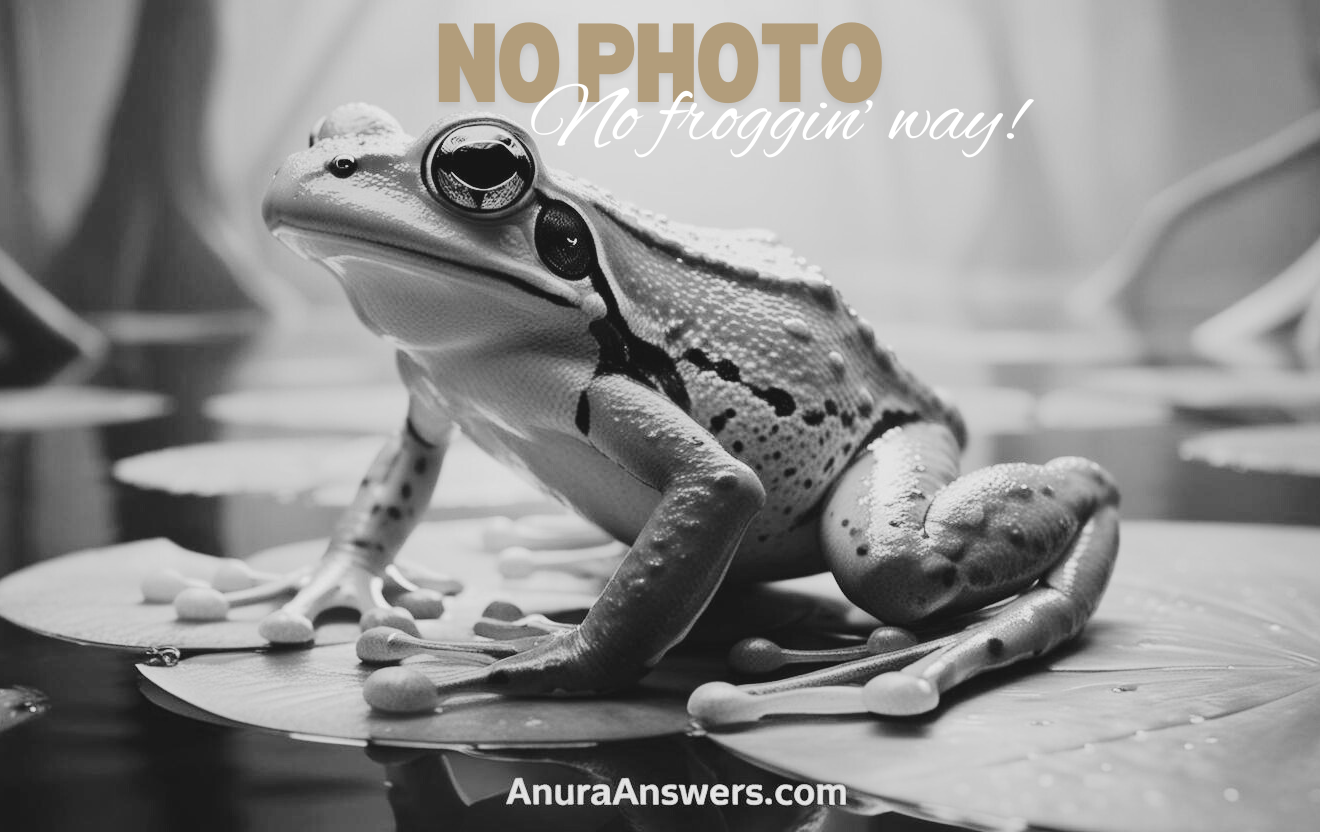
An adult Centrolene elisae rarely exceeds 2.5 centimeters in length, embodying the graceful beauty of petite, rainforest inhabitants. Beyond their transparent undersides, their dorsal surfaces range from pale greens and emerald hues to translucent jade-like tones that harmonize perfectly with leafy curtain backdrops. Tiny yellow or white spots, dispersed subtly across their backs, appear as if delicately painted brushstrokes, lending further charm to an already mesmerizing species.
Evolutionarily crafted for concealment, these subtle traits effectively camouflage the frogs against predator detection, profoundly enhancing survival. Even their eyes exhibit a distinct beauty—large and collectively vigilant, polished globes that peer into the seeming infinity of their watery home. But these features offer significance far beyond aesthetic delight; they reveal key insights into ecological adaptation and biodiversity.
Behavior and Life Cycle#
A Symphony of Shades: Vocalizations and Communication#
As nocturnal amphibians, Centrolene elisae reveal themselves clearly only under darkness—but their calls punctuate these rainforest nights with resonant vibrancy. Male frogs, aspiring to attract mates and maintain personal territories, produce gentle yet insistent chirps that echo softly across humid surroundings. Such calls not only facilitate reproductive communication but also indicate individual fitness, reflecting territory quality and physical vigor.
The Dance of Creation: Breeding Ecology and Parental Care#
Indeed, the most captivating chapter of Centrolene elisae’s story arrives during breeding season—a period wherein pairs dance subtly through foliage, seeking the perfect leaf suspended strategically above stream waters for their translucent egg clutch. Females lay clusters of small, gelatinous eggs on leaf surfaces directly over streams, carefully situated precisely where hatching tadpoles may slip effortlessly into the waters below.
An extraordinary hallmark of glass frog species, including Centrolene elisae, is paternal care; males vigilantly guard eggs from predators and parasitoids like hungry insects. With meticulous dedication, male frogs attend to their offspring, periodically moistening eggs to maintain optimal hydration. Upon hatching, tadpoles elegantly drop into the waiting streams—a carefully timed descent into their larval aquatic realm.
Ecological Role within its Habitat#
Centrolene elisae represents an integral predator-prey link within the pristine rainforest web. Feeding primarily on small insects—flies, ants, and tiny moths—it acts as a critical regulator of invertebrate populations, helping maintain ecological balance. Meanwhile, the glass frog simultaneously represents prey, sustaining larger predators including snakes, birds, and even nocturnal mammals who prowl rainforests at night.
Further yet, Centrolene elisae serves as a bioindicator species, signaling ecological integrity. Since amphibians are particularly sensitive to environmental changes—particularly shifts in temperature, humidity, and water quality—the relative health of Centrolene elisae populations silently testifies to ecosystem vibrancy and resilience.
Threats to Survival and Conservation Status#
Despite their ethereal appearance and critical ecological roles, Centrolene elisae face concerning challenges today. Rapid deforestation, habitat fragmentation by agriculture and infrastructure, pesticide contamination, and projected climate changes represent tangible threats currently pressing upon these amphibians.
The International Union for Conservation of Nature (IUCN) currently lists Centrolene elisae as Vulnerable, highlighting studied population declines particularly due to habitat loss. Recognizing this fragile status underscores the imperative need to conserve remaining habitats, establish wildlife corridors, and adopt sustainable local practices.
Fortunately, local and international conservation initiatives continuously work towards protecting their habitat through land preservation and environmentally responsible policymaking, offering hope that future generations may continue marveling at their hidden beauty.
Cultural and Scientific Significance#
Beyond ecology alone, glass frogs hold cultural knowledge and enrich scientific understanding. Indigenous communities within these regions have long perceived amphibians symbolically—as guardians of waterways, assigned symbolic importance within broader cosmological views.
Scientifically, ongoing studies involving Centrolene elisae increasingly illustrate broader environmental significance. Given amphibians’ permeable skin and biphasic life cycles, their populations often serve as insightful indicators predicting broader environmental and climatic impacts. Expanding the understanding of adaptive mechanisms, genetic structures, and resilience strategies therefore aids global conservation efforts enormously.
Conclusion: Guardians of Biodiversity#
In the delicate figure of Centrolene elisae, nature weaves stories of incredible evolutionary ingenuity, stewardship, and resilience. As caretakers admiring this glass frog, educators, students, conservationists, and nature enthusiasts all aspire to preserve these habitats with dedicated passion. The mesmerizing glimpse of a tiny heart beating within this transparent creature inspires us to reflect on interconnected ecosystems—to ensure such sights remain preserved treasures.
Advocating passionately for biodiversity conservation, each one of us can act to protect creatures like Centrolene elisae. Let us cherish the unique marvels of our natural world: safeguard these quiet ambassadors of rainforest realms, and secure their survival far into the future.