- The Enchanting Glassworlds of Centrolene hybrida: Delving into the Lives of the Glass Frog
- Taxonomy and Classification: Understanding the Glass Frog Tree of Life
- The Habitat of Centrolene hybrida: A World of Clear Streams and Green Canopies
- Physical Characteristics: Glass-Like Transparency and Delicate Beauty
- Behavior and Life Cycle: A Ballet by Moonlit Streams
- Ecological Role: Small Frogs with Mighty Impact
- Threats and Conservation Concerns
- Cultural and Scientific Significance: Transparent Frogs, Clear Revelations
- Conclusion: Conserving the Transparent Jewel of the Andes
The Enchanting Glassworlds of Centrolene hybrida: Delving into the Lives of the Glass Frog#
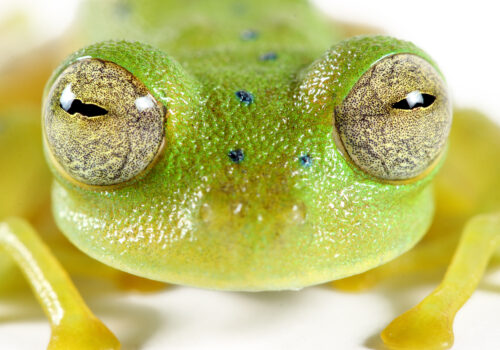
Beneath the verdant canopies and amidst the gentle rush of crystal-clear mountain streams, hidden gems of biodiversity thrive largely unseen, astounding even the most seasoned naturalist. One such wonder is the delicate and mesmerizing glass frog, Centrolene hybrida. Named for its astonishingly translucent skin—a window into its very heart, veins, and viscera—this species represents one of the most elegant examples of biological adaptation and symbiosis within tropical forests. Known scientifically as Centrolene hybrida, these amphibians invite both scientific curiosity and aesthetic admiration, embodying the quiet splendor and fragility of rainforest life. Whether gently perched on wet leaves near splashing waters, or melodiously calling amid darkened forest nights, these frogs captivate with their translucent bodies that shimmer softly in the moonlight, making them ethereal denizens of their lush ecosystems.
But beyond visual fascination, the life and biology of the Centrolene hybrida hold integral ecological lessons and conservation warnings. Join us as we journey deep into the secluded glassworlds of the glass frog, illuminating the wonders, challenges, and significance surrounding this remarkable amphibian.
Taxonomy and Classification: Understanding the Glass Frog Tree of Life#
Centrolene hybrida belongs to the amphibian family Centrolenidae, commonly known as glass frogs due to their unique characteristic of transparent undersides. Within this fascinating family, which boasts over 150 species, these splendid amphibians have captivated biologists and enthusiastic naturalists alike. The genus Centrolene, in particular, encompasses frogs renowned for both their clearer translucency and intriguing reproductive behaviors, making them invaluable subjects for biological research and ecological monitoring.
First described scientifically by Ruiz-Carranza and Lynch in 1991, Centrolene hybrida was recognized not only for its dazzlingly clear physique but also for its unique morphological traits and habitats subtly diverging from related species. Situated taxonomically within the genus Centrolene, Centrolene hybrida is closely related to other glass frog species from the humid understory and stream-adjacent niches of Andean rainforests, mushrooms creatively in fascinating ecological niches that invite ongoing research and conservation attention.
The Habitat of Centrolene hybrida: A World of Clear Streams and Green Canopies#
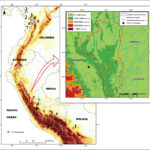
The life of the glass frog is inseparable from its exquisite habitat—verdant, moist cloud forests cascading along the slopes and valleys of the Andes. Specifically, the Centrolene hybrida finds its sanctuary primarily within the flourishing subtropical and montane forests of Ecuador and Colombia. Within these mist-shrouded high-altitude forests, the species prospers near pristine, clear rivers and streams, habitats characterized by lightly flowing waters, abundant moisture, and dense vegetation that provide both shelter and nourishment.
Traversing through these lush habitats, it becomes apparent why glass frogs evolved transparency—a sublime adaptation. Leafy vegetation along waterways provides the ideal camouflage for these impeccably small frogs, whose translucent skin enables dappled sunlight and shadows to pass through them, making them remarkably cryptic. Typically found in altitudes ranging roughly from 1,000 meters to around 2,800 meters, their habitats offer the delicate balance of temperature, humidity, and vegetation necessary for their intricate life cycle.
The lush foliage of bromeliads, moss-coated rocks, hanging vines, and broad-leaved flora encompass their retreat, providing a suitable microclimate necessary for both reproductive success and predator avoidance strategies. Thus, preserving these habitats becomes imperative not just for the frogs themselves, but for the health and sustainability of entire tropical ecosystems.
Physical Characteristics: Glass-Like Transparency and Delicate Beauty#
Perhaps nothing captures one’s imagination more than the astonishing appearance of Centrolene hybrida. Measuring just about 20 to 31 millimeters long—from head-tip to toe-tip—these small frogs showcase nature’s unparalleled artistry and originality. Delicate yet resilient, their most notable characteristic is the translucent skin found extensively upon their ventral surfaces. Through these transparent undersides, vividly colored internal organs lie fully exposed, including their beating heart and intricate vascular systems.
The dorsum, conversely, provides a striking green coloration, ranging from vibrant emerald hues to softer mossy greens that blend seamlessly with their leafy perches. These dorsal pigments provide critical protection, shielding them from the eyes of predatory birds and arboreal predators who might lurk nearby. Their eyes, large and protuberant, provide excellent nocturnal visibility for pursuing insect prey under the cover of darkness.
Equipped with sticky pads on their webbed toes, Centrolene hybrida frogs demonstrate agile arboreal lifestyles, easily navigating wet foliage and slippery surfaces as they leap gracefully from leaf to leaf. Their slender yet muscular limbs allow rapid and precise movements, essential for both escape from predators and the precise control needed during courtship and mating behaviors.
Behavior and Life Cycle: A Ballet by Moonlit Streams#
Nocturnal Symphony: The Calling of Centrolene hybrida#
Nightfall along an Andean stream means a gentle symphony begins—a harmonious chorus composed largely by male glass frogs. The acoustic serenade serves to attract females as well as assert territory amongst fellow males. Each male selects prime leaves above slowly moving water and announces himself with distinctive, melodious calls characterized by clear, bell-like chirps and trills. These vocal displays facilitate both territorial boundaries and mate selection, communicating individual vigor and suitability to potential mates.
A Unique Dance of Reproduction#
Upon responding to a male’s vocal invitations, female Centrolene hybrida will approach the caller and inspect his territory and courtship site—a clean, moist leaf situated strategically above water. After successful courtship, the carefully chosen leaf becomes an intimate nursery as the female meticulously deposits her gelatinous clutch of eggs underneath it. Here, the male plays a remarkably proactive role, often staying to guard the developing eggs vigilantly from predators, pathogens, and parasites. Remarkably dedicated, he moisturizes the eggs periodically to prevent desiccation, showcasing rare paternal care and astonishing behavioral adaptations among amphibians.
From Transparent Eggs to Tadpoles#
After several days, each transparent egg reveals the growing tadpole inside, wriggling subtly within its translucent shell. Eventually, they drop into the cool, clear stream beneath, where they complete their growth into mature frogs. Tadpole adaptations include specialized mouthparts adapted for grazing algae and microscopic organic matter on rocks and streambed materials. It’s a cycle intricately tied to the health and purity of their aquatic habitat.
Ecological Role: Small Frogs with Mighty Impact#
Though diminutive in size, Centrolene hybrida occupy a vital niche within their ecosystem. As insectivores, these frogs serve as essential regulators of insect populations, helping maintain ecological balance within the forest. Additionally, their presence signifies ecosystem health—biologists consider these frogs indicator species, meaning their well-being directly mirrors ecosystem vitality, alerting us to ecological stress or pollution through their sensitivity to habitat changes.
Conversely, Centrolene hybrida and their tadpoles equally form part of the food web, serving as prey for snakes, birds, bats, and aquatic insects. This ecological position reinforces their critical role in Andean streams biodiversity.
Threats and Conservation Concerns#
Unfortunately, this delicate balance encounters threats. Habitat loss from farming, logging, and urbanization actively disrupts breeding behaviors and population viability. Climate change increasingly endangers their delicate, high-altitude habitats. Disease too, like chytridiomycosis—a fungal epidemic devastating amphibian populations globally—poses mortality risks. These cumulative pressures have prompted conservationists to classify Centrolene hybrida as “Vulnerable” by the IUCN Red List, emphasizing greater need for protective measures and rigorous scientific research to understand and conserve their habitats.
Cultural and Scientific Significance: Transparent Frogs, Clear Revelations#
Glass frogs like Centrolene hybrida enable unprecedented medical and scientific insights due to their transparent anatomy, illuminating research paths in biology, ecology, and conservation. Symbolically, they embody forest purity and transparency, appealing strongly in conservation campaigns and education efforts aimed to safeguard biodiversity.
Conclusion: Conserving the Transparent Jewel of the Andes#
Centrolene hybrida, with their translucent wonders and ecological value, highlight vulnerability yet offer a path towards greater environmental awareness. To cherish these remarkable creatures, we must commit to research, awareness, habitat preservation, and restoration. Let their transparency serve as a compelling metaphor for greater understanding—clearing pathways toward proactive protection of our planet’s intricate biodiversity. Each of us has a clear role to play; let us peer closely, treasure deeply, and act decisively on behalf of these delicate, transparent jewels of nature.