Centrolene hesperium: The Enigmatic Glass Frog of the Andean Cloud Forest#
Hidden amidst the emerald tapestry of South America’s cloud forests, silently perched upon a dripping leaf above cascading streams, lives a creature whose very existence seems to celebrate nature’s artistry and subtle grandeur. The Centrolene hesperium, a fascinating glass frog species, captivates scientists and nature lovers alike, with its delicate, transparent skin that offers an astonishing glimpse into internal organs and its mysterious life high in the humid foliage of mountain clouds. This small amphibian, known primarily from the misty heights of the Andes, not only intrigues due to its ghost-like translucence but also serves as a sensitive indicator of environmental health and biological richness in one of Earth’s most threatened ecosystems.
As the subtle voices of nature’s sheltered habitats quietly vanish under hunting, logging, and climate change impacts, understanding unique species like Centrolene hesperium becomes ever-more critical. Let us delve deep into the life, habits, and survival story of one of nature’s most astonishing amphibians.
Taxonomy and Classification#
Belonging to the family Centrolenidae, glass frogs have long fascinated scientists with their exquisite appearance and concealed lifestyle. Centrolene hesperium, precisely classified within this distinct amphibian group, occupies a recognized place among the egg-laying, tree-dwelling frogs which characterize neotropical ecosystems.
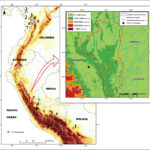
The genus Centrolene includes roughly 40 described species, all renowned for their semi-transparent undersides. While closely related to and sometimes confused with species in the genus Hyalinobatrachium, Centrolene frogs typically exhibit unique bone and skin structures that aid identification. Among its cousins, C. hesperium is distinguished by subtle morphological traits and its specific distribution within the northern Andes, predominantly in western Ecuador and northwestern Peru.
Natural Habitat#
Misty Realms of the Cloud Forest#
The natural range of Centrolene hesperium is mainly restricted to very specialized, damp, montane habitats. Found at altitudes ranging predominantly from about 1,200 meters to over 2,600 meters above sea level, this amphibian inhabits the lush, cloud-enshrouded forests characteristic of the tropical Andes. Here, frequent mist, steady rainfall, and relatively stable temperatures provide ideal conditions for its delicate biology.
Within this rich yet sensitive environment, C. hesperium typically favors riparian zones, those enchanting, narrow approximately to swift mountain streams shaded by dense vegetation and intertwined with moss-covered branches and hanging epiphytes. This species selects broad-leafed plants overhanging the watercourses, ecologically connected with the primary and secondary forest canopies, blending effortlessly with the encompassing emerald scenery. The gentle sound of dripping water, the hum of distant insects, and the calls of resident birds create a symphony in which these glass frogs perform their life cycle unseen, unnoticed by most human observers.
Physical Characteristics#
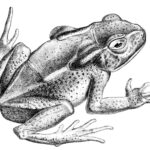
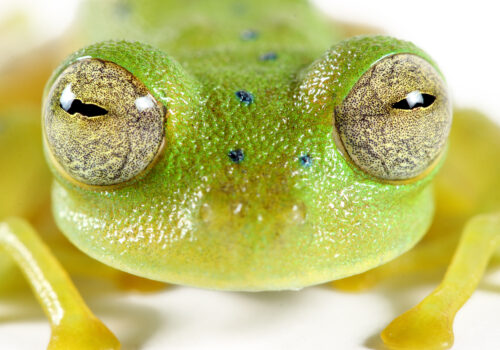
Nothing captivates newcomers more immediately than observing the vivid, glass-like quality that lends the glass frog its name. Centrolene hesperium epitomizes this characteristic with unparalleled beauty. Adults of this species reach a modest size, rarely exceeding 3 centimeters—small enough to perch unobtrusively on a fingertip.
The dorsal coloration ranges from pale lime-green to emerald, providing exceptional camouflage against the verdant leaves upon which they spend much of their lives. Their ventral skin, however, is the hallmark of their species—a translucent belly that, under the right light and angle, reveals clearly defined internal organs, such as its heart and digestive system. The unique transparency of glass frogs has intrigued researchers, who speculate about its functionality in camouflage or thermoregulation, though definitive answers continue to elude scientists.
Large protruding eyes, bright golden-green irises, and oversized toe pads with sticky surfaces enable this amphibian lifestyle, facilitating nocturnal hunting and leaf navigation. Such adaptations contribute strongly toward the species’ survival strategy, equipping these frogs perfectly to their high-altitude arboreal homes.
Behavior and Life Cycle#
Feeding Habits: Predators among Plants#
Hidden within the nightly veil, C. hesperium emerges after dark, transforming from seemingly inert observers into dynamic hunters. Their diet predominantly consists of small arthropods, especially flies, moths, crickets, and spiders. With quick, precise movements, their adhesive tongues dart forward—an action almost invisible to the naked eye—to seize unsuspecting prey visiting their floral homes. This dietary habit plays an essential ecological role, limiting insect populations and maintaining a delicate balance within the ecosystems they inhabit.
The Dance of Courtship and Reproduction#
Few sounds may seem more enchanting or mysterious amid a moonlit cloud forest than the soft, resonant choruses of mating glass frogs. Males congregate on vegetation above gently flowing streams, each frog calling repeatedly—a delicate whistle puncturing the night’s chorus, attracting potential mates while deterring rivals. Once the courtship ritual succeeds, egg laying follows immediately, depositing jelly-like masses of translucent eggs onto the undersides of carefully selected leaves hanging directly over streamlets.
Amazingly, parental care is distinctly evident in this species. The male assumes guardianship, gently resting near the eggs, guarding them fiercely from predators, using carefully placed defensive motions and moisture redistribution to prevent fungal growth and ensure optimal hydration. When the tadpoles hatch, they fall—a thrilling yet risky descent—directly into the water below, where they continue their development hidden amongst submerged vegetation until metamorphosis.
Ecological Role#
Centrolene hesperium occupies essential positions within complex Andean ecosystems. As reliable insectivores, these frogs contribute significantly to controlling insect populations, essential for maintaining balance and keeping potential agricultural pests at bay. They function as prey for a variety of larger animals, including snakes, spiders, birds, and even small mammals, thus sustaining a rich food chain intricately tied to broader biodiversity.
Perhaps most importantly, glass frogs serve as bio-indicators, signaling environmental health. Because their moist, permeable skin rapidly absorbs chemicals and pollutants, their presence or disappearance warns conservationists and management authorities regarding the declining health and freshness of their habitat.
Threats and Conservation Status#
Like so many precious amphibians worldwide, C. hesperium‘s existence hangs precariously by threads steadily unraveled by human activities and widespread environmental changes. The International Union for Conservation of Nature (IUCN) currently lists this species as Near Threatened, reflecting habitat fragmentation, deforestation, pollution, and climate change as the primary existential threats. Land clearing for agriculture, urbanization, and invasive species threaten the fragile ecological parameters these frogs require.
Conservation organizations and local stakeholders have started coordinated efforts towards protecting the habitats of glass frogs. Establishing and managing conserved cloud forest reserves, conducting educational programs in nearby communities, and supporting research and monitoring programs are indispensable actions aiming to reverse declines and secure sustainable futures for this enigmatic amphibian.
Cultural and Scientific Significance#
Within indigenous communities in their range, glass frogs symbolize transparency, purity, and renewal. Their mysterious appearance and intimate connection to water, a vital life symbol, earn them significant cultural reverence and respect. Many locals regard them as harbingers of a healthy ecosystem, valuable allies whose sudden disappearance announces impending ecological troubles.
Scientifically, glass frogs like Centrolene hesperium teach scientists invaluable lessons regarding anatomy, physiology, environmental indicators, and evolutionary adaptations within vulnerable habitats. Researchers study their delicate skin structures as models for biomedical research, particularly in studies of transparency and minimal tissue inflammation responses.
Conclusion: Guardians of the Cloud Forest#
This tiny, translucent amphibian demonstrates vividly how even the smallest creatures symbolize ecological resilience and unease simultaneously. The lessons offered by Centrolene hesperium far exceed their physical size—they impart clear signals regarding ecosystem health, biodiversity conservation, and environmental urgency. Preserving their lush Andean home remains an ethical imperative and environmental necessity.
Supporting organizations that work tirelessly to conserve and study the habitats of glass frogs, spreading awareness of their profound ecological connections, and advocating within communities and policy platforms remains more essential than ever. Every action, large or small, safeguards the living jewels of our spectacular planet—like the magical, fragile Centrolene hesperium, forever perched in misty mystery above Andean streams.