- Peltophryne dunni: The Enigmatic Caribbean Giant Toad
- Taxonomy and Classification
- Natural Habitat and Distribution
- Physical Characteristics: A Portrait of the Giant Toad
- Behavior and Life Cycle
- Ecological Role within the Caribbean Ecosystem
- Threats, Challenges, and Conservation Status
- Cultural and Scientific Contributions
- Conclusion: Cherishing Caribbean Amphibian Heritage
Peltophryne dunni: The Enigmatic Caribbean Giant Toad#
Hidden beneath the lush canopy of tropical forests on the islands of the Caribbean lies a creature that appears to have hopped right out of prehistoric times. With an enigmatic gaze, textured skin resembling ancient stone, and an impressive size that sets it apart, the Dunn’s Giant Toad, scientifically known as Peltophryne dunni, invites curiosity and admiration from naturalists and enthusiasts alike. Despite its elusive nature, this fascinating amphibian plays a critical yet understated role in maintaining the intricate balance within its ecosystem.
Named in honor of the respected American herpetologist Emmett Reid Dunn, Peltophryne dunni embodies not just the fascinating diversity among amphibians but also the fragility of these creatures amid growing environmental challenges. Before plunging into the depths of their biology, habitat, and role in the ecosystem, let’s pause to celebrate the quirks and wonders of this captivating yet relatively mysterious toad species.
Taxonomy and Classification#
Belonging to the family Bufonidae—commonly known as the “true toads”—Peltophryne dunni aligns within the genus Peltophryne, a grouping of toads native exclusively to the Caribbean region. First formally described in 1934 by herpetologist Chapman Grant, this species was named to honor Emmett Reid Dunn, whose contributions to amphibian classification are foundational.
Closely related species within its genus include the Cuban long-nosed toad (Peltophryne longinasus) and the Puerto Rican crested toad (Peltophryne lemur), both exhibiting fascinating adaptations to island-specific habitats. Due to geographic isolation and unique evolutionary pressures, each Peltophryne member boasts distinct characteristics, making the Dunn’s Giant Toad an especially intriguing focus of scientific research.
Natural Habitat and Distribution#
Peltophryne dunni is an endemic treasure, found exclusively on select islands within the Caribbean archipelago, predominantly within the lush subtropical and tropical forests of eastern Cuba. Surrounded by dense foliage and cloaked in perpetual humidity, these pristine habitats offer the ideal environment for the toad, where leaf litter forms a comfortable and nurturing haven.
These amphibians favor moist, shaded areas near freshwater bodies—such as gentle streams, forest ponds, and seasonally flooded regions. Here, climate stability coupled with ample food availability creates ideal conditions not only for survival but also reproduction.
Walking gently beneath forest canopies on moonlit nights reveals the quiet symphony of chirps and low croaks, often the first subtle indication of their hidden presence. The forest floor, lined with ferns, mosses, and decomposing leaf layers, acts as camouflage, making the toad nearly indistinguishable from its environment. Such precise habitat preference emphasizes the sensitive nature and vulnerability of this remarkable species to habitat disturbance and climatic shifts.
Physical Characteristics: A Portrait of the Giant Toad#
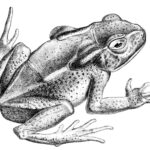
If you stumble upon Peltophryne dunni during an evening exploration, the first feature capturing one’s attention would undoubtedly be its impressive size. Adults measure roughly between 6.5–12 cm from snout to vent, rendering it notably larger than many of its Caribbean counterparts. The ample girth and robust limbs of this amphibian lend it a sturdy presence, befitting its status as a resident giant among Caribbean toads.
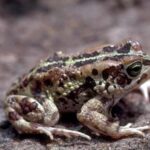
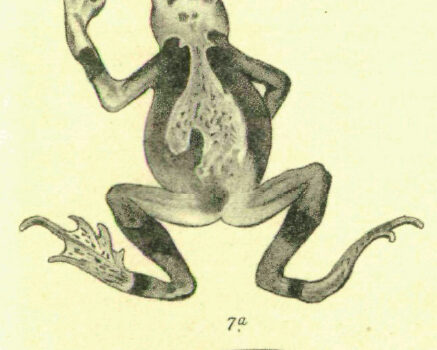
Their skin texture is often described as coarse and granular, with lumpy warts scattered irregularly across their backs and sides, providing excellent camouflage against the forest floor. Their earthy coloration—shades of brown, olive, rust, and dark gray—masterfully blend with their surroundings, masking them from potential predators while enabling successful ambush hunting strategies.
Perhaps most royal in appearance are their prominent parotoid glands situated behind each eye. These glands exude mildly toxic secretions when the toad feels threatened—a critical evolutionary adaptation, serving a dual purpose of defense and signaling to potential predators that the toad is best left alone.
Behavior and Life Cycle#
Nocturnal Hunters Under the Caribbean Moonlight#
As daylight recedes and shadows lengthen, Peltophryne dunni embarks upon its steady, deliberate nighttime wanderings. Nocturnal by nature, these giants patiently ply the forest floor in search of their favored prey—insects, spiders, small arthropods, and even tiny vertebrates. Using their sharp vision and sensitive tactile senses, they rely on stealth and ambush tactics, waiting motionlessly before suddenly lunging forward with lightning-fast precision to capture unsuspecting meals.
Reproduction Rituals Beneath Hidden Pools#
Come the onset of seasonal rains, the Caribbean forests resound with the resonant, melodic calls of males, ardently seeking receptive females to mate. Following successful courtship rituals, females deposit their eggs in serene water pools, small ponds, or slow-moving streams. Fertilized eggs undergo several days of incubation, after which tadpoles hatch and begin their journey through metamorphosis.
Tadpoles possess specialized mouthparts, perfectly suited for grazing on algae, plants, microorganisms, and organic detritus. Over several weeks, visible limbs gradually develop until the emergence of a fully formed juvenile toad, ready to venture onto land. The newly metamorphosed toadlet remains vulnerable, quickly learning to rely on habitat concealment and reflexive behaviors to survive initial threats.
Ecological Role within the Caribbean Ecosystem#
Seemingly modest and unobtrusive, Peltophryne dunni nonetheless occupies an indispensable position within its ecological community. As an insectivore, the giant toad naturally controls populations of insect pests, indirectly helping forest health by protecting vegetation from herbivorous insect damage. Their presence also serves as a crucial food source for several native predators, including snakes, large birds, and mammals, observing the natural balance of a robust food web.
Furthermore, amphibians like Dunn’s Giant Toad serve as biological indicators, providing early warning signs of environmental deterioration. Their semi-permeable skin makes them highly vulnerable to contaminants in air, water, or soil, acting as sentinels whose declining health or population numbers can signal greater ecological threats needing immediate attention.
Threats, Challenges, and Conservation Status#
Although detailed population origins and declines remain somewhat less documented among conservationists, several undeniable threats heighten the vulnerability of Peltophryne dunni. Habitat degradation largely due to deforestation, land conversion for agriculture, logging, urbanization, and pollution places significant stressors upon their fragile ecosystems. These impacts can reduce available breeding grounds and severely fragment populations, weakening genetic resilience.
Climate change also enters the narrative, bringing erratic rainfall patterns, altering breeding windows, and challenging tadpole survival. Furthermore, invasive species introductions to Caribbean islands, such as non-native mammals, amphibians, or pathogens, pose yet another increasing concern.
The conservation status of Peltophryne dunni remains uncertain, lacking comprehensive studies needed to satisfy data-deficient parameters defined by the International Union for Conservation of Nature (IUCN). Nevertheless, researchers urge swift actions: holistic habitat protection initiatives, increased scientific monitoring, education efforts within local communities, and substantial conservation programs stressing the vital ecological value of this unique species.
Cultural and Scientific Contributions#
This charismatic amphibian transcends its biological significance, deeply woven into the Caribbean’s natural heritage. While less celebrated in folklore compared to flamboyant birds and mammals, amphibians like Peltophryne dunni echo subtle cultural perceptions of ecological harmony among indigenous communities and local populations who perceive their seasonal calling as predictors of weather patterns or indicators of ecosystem health.
Scientifically, this toad still holds secrets waiting to be unraveled, potentially harboring biochemical compounds in its skin that could reveal novel insights in pharmacology or disease research. Reflecting the quiet power amphibians can hold, unlocking their mysteries can undoubtedly further the collective understanding of ecosystem dynamics or even human health discoveries in future research endeavors.
Conclusion: Cherishing Caribbean Amphibian Heritage#
Peltophryne dunni, the extraordinary Dunn’s Giant Toad, beautifully woven into the tapestry of Caribbean biodiversity, embodies both ecological resilience and vulnerability. It calls upon humanity’s collective curiosity to rise and champion the preservation of natural habitats; habitats that shelter countless other species beneath tropical canopies. Surely, conservation awareness and proactive actions can ensure the reverberation of their melodic calls amid lush Caribbean forests for generations yet unborn—an enduring testimony to nature’s profound balance and wonder.