- Introduction: A Frog Shrouded in Rainforest Mystery
- Taxonomy and Classification: Understanding Pelophryne signata's Place in Nature
- Natural Habitat: Life beneath the Forest Canopy
- Physical Characteristics: A Small Marvel of Evolutionary Mastery
- Behavior and Life Cycle: Secrets of the Forest Floor
- Ecological Role: A Small but Crucial Piece in Nature's Puzzle
- Threats and Conservation Status: Preserving a Fragile Future
- Cultural and Scientific Significance: Reflections in Science and Folklore
- Conclusion: A Call to Action for Amphibian Conservation
Introduction: A Frog Shrouded in Rainforest Mystery#
Deep within the dense and verdant rainforests of Southeast Asia, hidden among the moist undergrowth and leaf litter, thrives a remarkable amphibian named Pelophryne signata. Often overlooked due to its cryptic lifestyle and secretive habits, this diminutive yet fascinating frog plays a critical role within its ecosystem. Known affectionately by researchers and naturalists simply as the Lowland Dwarf Toad, Pelophryne signata captivates not only for its delicate appearance but also its complex interaction with the tropical forests it calls home.
Belonging to the family Bufonidae, this elusive species is renowned among amphibian enthusiasts for its unique breeding behaviors, fascinating vocalizations, and its significance as an indicator of environmental health. To date, despite the increasing pressures on its habitat, Pelophryne signata continues to illuminate the incredible web of life that sustains Southeast Asia’s ecosystems. Join us as we step through the misty foliage and uncover the hidden world of this extraordinary frog species.
Taxonomy and Classification: Understanding Pelophryne signata’s Place in Nature#
Pelophryne signata belongs to the diverse family Bufonidae, popularly known as the true toad family. It sits comfortably within the genus Pelophryne, which comprises small-sized toads often adapted to forested habitats. First described scientifically by George Albert Boulenger in 1895, the species name “signata” derives from Latin, meaning “marked,” likely attributed to distinctive patterns observed on its body.
Despite its membership in the toad family, its delicate, small stature diverges greatly from the larger, often more rugged toads familiar to many nature enthusiasts. Closely related to several other Southeast Asian dwarf toads, including Pelophryne brevipes and Pelophryne guentheri, P. signata has endured as a treasured subject of biological research due to its specialized ecological roles and fascinating adaptation strategies.
Natural Habitat: Life beneath the Forest Canopy#
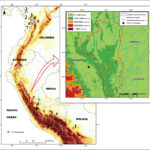
The story of the Pelophryne signata begins amongst vibrant lushness, in the shadow of towering trees that stretch high toward the tropical sky. Primarily found in the lowland rainforest regions and hill forests across Malaysia, Indonesia, Brunei, and parts of Thailand, these frogs thrive in undisturbed tracts of primary and secondary forests, between elevations of approximately 150 to 800 meters above sea level.
Masters of Moisture and Shadow#
A crucial ingredient to their survival, moisture dictates the lifestyle of the Lowland Dwarf Toad. Pelophryne signata is highly adapted to damp, shaded microhabitats, often hidden among fallen leaves, saturated mosses, rotting timber, and in the leaf axils of low-lying shrubs and trees. Its natural behavior makes spotting these elusive creatures a challenge for even seasoned nature enthusiasts.
These frogs rarely stray far from their favored hiding places near forest streams and swamps, as these freshwater resources provide them with essential breeding grounds. Here, amidst the steady chorus of forest wildlife and constant dripping moisture, Pelophryne signata orchestrates its secret life.
Physical Characteristics: A Small Marvel of Evolutionary Mastery#
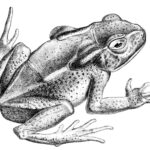
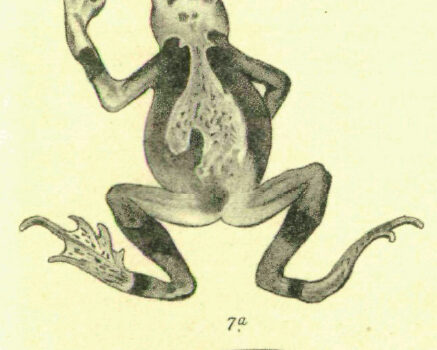
The first encounter with a Pelophryne signata often surprises observers due to its remarkably diminutive form: adult frogs rarely exceed 25 millimeters in length. Their bodies are elegantly slim yet compact, perfectly adapted for slipping effortlessly amongst tangled undergrowth. Their limbs are slender but muscular, allowing agile navigation through litter and bushes with expert precision.
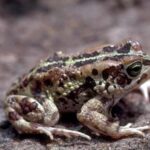
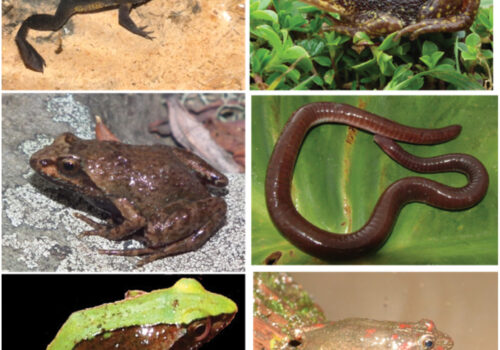
One of their distinct characteristics is their coloration, superbly designed for camouflage. The dorsal surface of these tiny frogs features shades of brown, gray, or olive, typically adorned with irregular dark markings and blotches reminiscent of lichen or fallen leaves. This cryptic coloration is an evolutionary masterpiece and serves to conceal them effortlessly against their lush forest backdrop.
Another distinguishing feature is the presence of subtle yet discernible tubercles or wart-like structures, characteristic of many members of Bufonidae, scattered across their skin’s surface. These small protrusions aid in breaking up the body’s outline further, blending seamlessly with their microhabitat. Such intricate adaptations highlight nature’s creativity and attest to the survival challenges these amphibians have navigated over countless generations.
Behavior and Life Cycle: Secrets of the Forest Floor#
A Nocturnal Hunter’s Quiet Pursuit#
As twilight envelops the rainforest canopy, Pelophryne signata awakens from daytime hiding to initiate its nightly feeding routine. A patient opportunist, this tiny predator primarily feasts upon ants, small beetles, mites, spiders, and other minute invertebrates abundant across the forest floor. Using stealth and precision afforded by its uniquely adapted morphology, the frog ambushes prey with discrete efficiency, employing its sticky tongue to seize unsuspecting insects at lightning speed.
A Subtle Symphony: Communication and Breeding#
The coming of the rainy season acts as a catalyst for breeding behaviors, awakening powerful instincts in male Pelophryne signata. Breeding choruses, though somewhat subtle compared to louder frog species, permeate humid forest groves around streams and pools—characterized by gentle clicks, chirps, and short buzzing calls. The males keenly position themselves in strategic locations to maximize vocal resonance, often tucked beneath broad, moisture-laden foliage to broadcast their communication effectively to nearby females.
Following successful courtship, females deposit small clusters of eggs in delicate gelatinous strings or small masses, carefully attached to submerged vegetation or in shallow pools of water. Larval development unfolds rapidly in nutrient-rich ephemeral pools, where tadpoles mature within weeks, racing against drying waters to complete metamorphosis into land-adoring juveniles. Thus continues the life cycle, defined by both survival challenges and careful timing intricately attuned to the rhythms of tropical rainfall.
Ecological Role: A Small but Crucial Piece in Nature’s Puzzle#
Although inconspicuous in appearance and secretive by nature, Pelophryne signata fulfills a vital ecological niche in its rainforest home. By controlling insect populations, this tiny amphibian assists in maintaining balanced ecosystems, indirectly influencing nitrogen cycling and decomposition processes by regulating leaf-litter communities. Additionally, as prey, they are essential links within intricate rainforest food webs, supporting a range of predators such as snakes, birds, and larger amphibians.
At the same time, researchers recognize their crucial value as bioindicator species. The delicate skin of amphibians, permeable to environmental pollutants and pathogens, positions P. signata as a valuable natural alert system signaling broader ecosystem health. The diminishment or disappearance of their tiny populations often signals environmental disturbances, underscoring the health of the forests they inhabit.
Threats and Conservation Status: Preserving a Fragile Future#
Currently assessed as “Least Concern” by the International Union for Conservation of Nature (IUCN), Pelophryne signata experiences relatively stable populations primarily due to their adaptability. However, the species faces escalating challenges driven by rapid habitat loss through deforestation, agricultural expansion, urbanization, and climate change.
Conservation efforts aimed at protecting extensive areas of primary and secondary rainforest habitats remain essential to the species’ long-term survival. Local initiatives focused on habitat restoration, environmental awareness, and scientific monitoring programs constitute key efforts to safeguard their delicate populations, promising hope for maintaining their crucial ecological roles.
Cultural and Scientific Significance: Reflections in Science and Folklore#
While specific cultural references to Pelophryne signata remain relatively rare, amphibians in general hold profound places within local folklore, symbolizing harmonized balance, seasonal cycles, and renewal in many Southeast Asian cultures. Scientifically, the subtle charms of this forest frog continue inspiring research into biodiversity dynamics, amphibian ecology, and habitat conservation strategies crucial for tropical regions globally.
Conclusion: A Call to Action for Amphibian Conservation#
Pelophryne signata reminds us of the hidden wonders nestled beneath forest canopies and the incredible biodiversity reliant upon undisturbed tropical ecosystems. Nature enthusiasts and conservationists alike share responsibility and opportunity to safeguard such astonishing species. Whether advocating habitat preservation, supporting research, or simply spreading awareness, our actions now significantly influence the future of remarkable amphibians like the Lowland Dwarf Toad and the wondrous habitats they inhabit.