Peltophryne cataulaciceps: Unveiling the Secrets of Cuba’s Remarkable Frog#
Hidden within the lush tropical forests and shaded limestone caves of Cuba lives a fascinating amphibian, one whose very existence symbolizes the intricate web of biodiversity found nowhere else on Earth. Meet Peltophryne cataulaciceps, a uniquely Cuban frog, whose intriguing habits and striking appearance captivate naturalists and conservationists alike. Though small and often overlooked, this incredible species plays a crucial role in sustaining the ecological balance of its habitats and offers insight into the environmental well-being of its native island.
Famed for its distinctive physical traits and intriguing lifestyle, Peltophryne cataulaciceps is no ordinary amphibian. Lovingly referred to by local biologists as the “Wide-headed Cuban Toad,” this charismatic creature possesses unique adaptations that allow it to thrive under challenging environmental conditions. Despite its quiet existence away from the public eye, its story is one filled with fascinating adaptations, compelling behaviors, and pressing concerns regarding its conservation.
Taxonomy and Classification#
Scientifically classified as Peltophryne cataulaciceps, this vibrant amphibian falls within the Bufonidae family—which most nature enthusiasts commonly associate with true toads. The genus Peltophryne itself encompasses several species endemic to the rich environmental tapestry found within the Caribbean islands, particularly Cuba. The genus is characterized by specialized adaptations to harsh terrestrial conditions, making these creatures uniquely suited to their Cuban homeland.
Originally described scientifically in 1959, the species name “cataulaciceps” hints at one of this toad’s most distinctive features—the broad, flattened shape of its head (“cataula” means broad, and “ceps” translates roughly to head). Its taxonomic position relative to closely related amphibians has remained remarkably stable due to these clear morphological distinctions, making it particularly significant within taxonomic studies and ecological research tied specifically to Caribbean biodiversity.
Natural Habitat#
Geographic Range and Distribution#
The story of Peltophryne cataulaciceps begins deep within the heart of Cuba, primarily inhabiting the rugged mountain forests, tropical humid woodlands, and limestone karst ecosystems characteristic of the island country. Endemic to Cuba, it is found predominantly in regions with higher elevations, often concealed within shaded forest floors and humid leaf litter that blanket the underlying limestone formations. Notably, it occupies specific fragmented landscapes, often isolated to specialized micro-habitats due to environmental dependency and sensitivity.
Habitat Preferences and Ecological Adaptations#
This toad prefers environments offering conditions ideal for shelter, sustained moisture, and abundant prey opportunities. Forest habitats characterized by dense vegetation, rotting logs, and deep crevices in limestone formations provide an optimal balance of humidity, temperature regulation, and security from threats. During daylight hours, this secretive amphibian cautiously resides within cool burrows or stone shelters—hidden beneath leaf litter or nestled within shaded rocks—avoiding the direct sunlight that could quickly dry out sensitive amphibian skin.
The limestone caves and karstic terrains are integral components of the toad’s survival strategy. Such environments not only maintain humid microclimates essential for desiccation prevention but also provide critical refuge from predatory threats. Such meticulous habitat specialization serves as an ecological indicator, highlighting the intricate balance of Cuba’s forest ecosystems; as these habitats vanish or become fragmented, so too does the delicate existence of P. cataulaciceps.
Physical Characteristics#
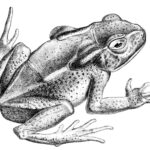
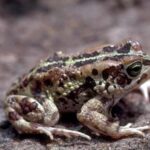
Immediately recognizable by those familiar with Cuba’s amphibious fauna, Peltophryne cataulaciceps showcases a series of adaptations honed by centuries of evolution. Adults grow relatively moderately sized, typically ranging from 2 to 3 inches in length. However, their most striking feature—unmistakable even to casual observers—is their disproportionately large, flattened head. This morphological trait serves as a distinguishing signature of their species and aids in burrowing, navigating tight crevices, and predator avoidance.
The frog’s coloration adopts muted earth tones, blending harmoniously with leaf litter, soil, and rock surfaces. Shades of olive-green, brown, grey, and rust color mingle seamlessly, creating patterns reminiscent of fallen, dried leaves scattered across forest floors. These cryptic colors and patterns provide outstanding camouflage, essential in its daily battle for survival, effectively eluding directed attention from predators such as snakes, birds, and larger mammals.
Unlike some more vibrantly dyed relatives, Peltophryne cataulaciceps relies heavily on concealment and subtle defense rather than bright warning colors. Its skin, textured with small bumps and tubercles commonly associated with true toads, serves dual purpose: enhancing camouflage and retaining vital moisture within drier forest settings.
Behavior and Life Cycle#
Feeding Habits and Predatory Behavior#
Peltophryne cataulaciceps predominantly feeds nocturnally, emerging from daytime shelters under the cover of darkness. Its dietary strategy embodies opportunistic insectivory, specializing in ants, termites, beetles, spiders, and other soft-bodied arthropods abundant in the leaf litter and forested truck zones. With stealth and patience, it ambushes its prey, its wide mouth quickly snapping up any unsuspecting target venturing too close.
Mating Rituals and Breeding Practices#
Every rainy season brings a flurry of activity, marking the onset of the breeding season. Male P. cataulaciceps produce distinct mating calls—short, melodious bursts emanating particularly during damp evenings, drawing females toward established aquatic breeding sites including temporary pools, slow-moving streams, or shallow limestone depressions filled by fresh rainwater.
Females deposit gelatinous clusters of eggs anchored to submerged vegetation or underwater rock surfaces, after which attentive parental responsibilities cease. Larvae emerge as tadpoles, frequently characterized by conspicuous dark pigmentation. They often aggregate communally, deterring predators through safety in numbers. Their transition from aquatic larvae to thriving terrestrial adults represents one of nature’s remarkable transformative processes, epitomizing resilience and perseverance in a world characterized by both ecological opportunities and constraints.
Ecological Role#
In the delicate ecosystem mosaics of Cuba’s limestone-pierced tropical woodlands, Peltophryne cataulaciceps speaks volumes concerning ecosystem health. It serves as both predator and prey, a dynamic participant intricately involved in maintaining biodiversity each night beneath the forest canopy. Through consumption of insects and arthropods, it helps regulate pest populations, thereby fostering ecological stability among plant populations reliant on balance between insect herbivores and insect predators.
Moreover, populations of P. cataulaciceps provide essential prey resources for several predators, forming an indispensable dietary component for snakes, reptiles, birds, and even predatory insects or arachnids. Consequently, fluctuations in its numbers can directly indicate shifts within the broader ecosystem dynamics, providing vital environmental indicators to scientists and conservationists alike.
Threats and Conservation Status#
Amidst increasing pressures of deforestation, habitat fragmentation, invasive species, and climate-related impacts such as reduction in precipitation frequency and increased intensity of weather patterns, the enduring resilience of Peltophryne cataulaciceps faces considerable challenges. Currently classified as Vulnerable by the International Union for Conservation of Nature (IUCN), ongoing research and conservation efforts aim toward the preservation and protection of essential habitats and population viability.
Local conservation programs prioritize habitat protection, restoration of degraded limestone ecosystem zones, and educational outreach aimed at fostering greater community awareness and appreciation of native amphibian biodiversity.
Cultural and Scientific Significance#
Although not a frequent cultural icon, the Cuban toad embodies an essential facet of regional heritage, contributing significantly to scientific studies exploring evolutionary adaptation, ecological roles, and climate-change impacts upon biodiversity. Research findings derived from observing P. cataulaciceps inform strategies to dampen future biodiversity loss, bolstering local conservation narratives.
Protecting Cuba’s Unique Amphibian Legacy#
As we marvel at the captivating story of Peltophryne cataulaciceps, this charismatic amphibian reminds us of nature’s splendor and vulnerability alike. Preserving Cuba’s remarkable biodiversity demands ongoing vigilance from conservationists, visionaries, and nature enthusiasts worldwide. As guardians of this world, we must advocate passionately for the habitats and species that enrich our planet—species like the Wide-headed Cuban Toad, quietly vibrant, uniquely essential, and ultimately irreplaceable.