Rhinella stanlaii: Discovering the Intriguing World of the Stan Lee’s Toad#
In the enchanting, moisture-laden forests of South America, hidden beneath a canopy alive with the chatter of birds and the symphony of insects, exists a creature that captivates the imagination. Named after the legendary comic-book creator Stan Lee, Rhinella stanlaii, commonly known as Stan Lee’s Toad, is a marvel in its own right—displaying distinctive features, captivating behaviors, and playing a gentle but meaningful role in its ecosystem. It speaks volumes about the incredible diversity and wonder of life harbored in secluded habitats.
Officially described in 2021, this species has quickly drawn the attention of biologists, conservationists, and amphibian enthusiasts alike. Beyond its curious name, Rhinella stanlaii offers a fascinating glimpse into the delicate balance of nature, presenting an engaging narrative intertwined with biodiversity, mystery, and conservation.
Taxonomy and Classification#
Rhinella stanlaii is part of the expansive Bufonidae family, commonly known as “true toads,” that encompasses a wide range of species renowned for their diverse sizes, patterns, and behaviors. It falls within the genus Rhinella, a group of hardy, terrestrial toads found throughout Central and South America. The genus includes several iconic species like the Cane Toad (Rhinella marina) and various species adapted to specific ecological niches, from cloud forests to tropical rainforests.
What sets Rhinella stanlaii apart and earned it its striking name is not just the homage paid to Stan Lee but also the unique morphological and behavioral characteristics that distinguish it from its close relatives. While related species exhibit varied adaptations to their habitats, none possesses quite the unique blend of coloration, physiology, and ecological adaptation found in Stan Lee’s Toad.
Natural Habitat#
A Hidden Jewel in the Forest#
Rhinella stanlaii favors a particular, moist habitat predominantly found deep within the tropical rainforests of Ecuador and Peru. These lush, humid forests provide the ideal microclimatic conditions necessary for its survival. Often hidden from sight beneath compact layers of leaf litter, logs, and low-lying vegetation, the Stan Lee’s Toad lives its life in delicate synchrony with its surroundings, remarkably steadfast in its choice of habitat.
The forest floor, bathed in minimal sunlight filtering down carefully through the leafy canopy, fosters a humid microcosm ideal for amphibian survival. Here, amidst moss-covered roots and fungi-studded logs, the air possesses a distinctly earthy aroma—fresh but shadowed with a hint of decay. This specific environment maintains a stable temperature and humidity level critical for the toad’s skin respiration and water balance.
Ecological Preferences#
Though primarily terrestrial, Rhinella stanlaii prefers areas located near small streams or temporary water bodies. Proximity to water not only aids in natural body function, such as hydration and skin moisture retention, but is instrumental during breeding season. This choice of habitat underscores a fascinating ecological strategy: finding the perfect convergence between terrestrial hiding spaces and nearby aquatic breeding grounds.
Physical Characteristics#
Camouflage and Survival#
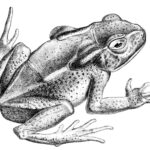
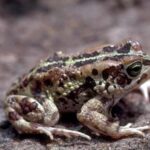
Taking its track from nature’s palette, Stan Lee’s Toad is effectively camouflaged within its leaf-littered habitat. Adults typically measure roughly 40 to 50 millimeters in length, viewed as a moderately sized toad within its genus. Its skin texture, a mosaic of rough, granular bumps, matches the crinkled leaves and earth it calls home—an evolutionary adaptation masterfully engineered by natural selection.
Its coloration ranges from earthy grays and browns to muted yellows and greens. Dark, marbled patterns, irregularly scattered across its dorsal surface, assist in masking its presence from predators and prey alike. Subtle yet intriguing pigmentation on its skin helps it avoid predators such as birds, snakes, and small mammals, while aiding the toad itself in ambushing insects and small invertebrates.
A Distinctive Glandular Defense#
Characteristic of the genus, Rhinella stanlaii exhibits pronounced parotoid glands behind its eyes. These glands produce toxins primarily as a chemical defense, deterring potential predators from making a hapless prey out of this deceptively harmless-looking amphibian. Unlike some of its infamous relatives with intensely toxic secretions, its poison is mild but enough to cause discomfort and deter would-be predators. This mild toxicity serves it well in its constant struggle for survival amidst the relentless competition in the rainforest.
Behavior and Life Cycle#
A Nocturnal Existence#
Like many amphibians in tropical regions, the Stan Lee’s Toad emerges mainly after dusk, when darkness cloaks it from diurnal predators and humidity levels peak. This nocturnal lifestyle offers the optimal conditions for hunting delicate arthropod prey such as ants, beetles, crickets, and spiders. Its hunting technique, simple yet effective, relies heavily on stealth. Remaining immobile for long stretches, perfectly camouflaged, the toad waits patiently, ready to leap swiftly and strike its prey with an extendable, sticky tongue that captures it within milliseconds.
Courtship Calls and Breeding#
Breeding season is announced audibly through resonant, musical calls, a series of distinctive trills echoing softly through the humid forest night. Male frogs congregate near suitable water bodies, projecting rhythmic choruses designed to attract females and establish territories. The ensuing mating rituals, fascinating in their complexity, reveal much about amphibian behavioral evolution.
Females lay gelatinous egg clusters within shallow pools or slow-moving streams shielded from heavy currents. These egg masses, sometimes numbering in hundreds, cling discreetly to submerged vegetation. Tadpoles emerge after approximately two weeks, dependent initially on aquatic vegetation and detritus until metamorphosis renders them air-breathing juveniles ready to embrace terrestrial life.
Ecological Role#
The role of Rhinella stanlaii extends profoundly into the ecosystem web. As proficient insectivores, these toads maintain insect populations in balance, directly impacting forest health. Simultaneously, the species remains a vital prey for carnivorous reptiles, birds, and mammals, illustrating their significant place within tropical biodiversity chains. Additionally, amphibians like Rhinella stanlaii often serve as biological indicators of environmental health because their permeable skin makes them susceptible to pollutants and climate fluctuations—subtle guardians signaling changes within the environment.
Threats and Conservation Status#
Despite its recent identification, indications suggest potential threats to Rhinella stanlaii from habitat destruction due to unsustainable logging practices, agriculture, and expanding human settlements. Loss and fragmentation of intact rainforest ecosystems starkly diminish suitable habitats, thereby impacting amphibian populations dramatically. Moreover, global climate change introduces unpredictable and often deleterious environmental shifts, exacerbating the vulnerability of sensitive amphibian habitats.
Currently, due to its very recent official discovery, Rhinella stanlaii awaits comprehensive assessment on the IUCN Red List, underlining an urgent need for focused research and conservation initiatives. Fortunately, growing awareness coupled with continued scientific study plays an integral role in fostering habitat preservation efforts and rescue programs, turning the tide for many at-risk amphibian species.
Cultural and Scientific Significance#
The symbolic tribute inherent in naming Rhinella stanlaii for Stan Lee celebrates humanity’s timeless fascination with storytelling, heroes, and nature. The act of naming species in honor of impactful cultural figures magnifies public interest, generating greater attention towards biodiversity conservation. Scientifically, every newly discovered species such as Stan Lee’s Toad underscores the richness yet vulnerability of Earth’s biodiversity and reminds us of the pressing need for protecting ecosystems globally.
Conclusion#
Rhinella stanlaii exemplifies the wonder and intricate mysteries hidden within tropical forests, reminding us of nature’s capacity for endless variety and adaptation. As we marvel at its uniqueness, let us not forget our collective responsibility toward conservation. Supporting ongoing research, conservation initiatives, and sustainable practices secures not only the future of Stan Lee’s Toad but countless other wondrous yet vulnerable species. After all, safeguarding biodiversity enriches our world, celebrates human exploration and imagination, and ignites our collective sense of wonder.