- Introduction: A Hidden Jewel of Africa’s Rainforest Floor
- Taxonomy and Classification: Understanding Wolterstorffina parvipalmata
- Natural Habitat: Guardians of the Leaf-Litter Realm
- Physical Characteristics: Adaptations for Life in the Shadows
- Behavior and Life Cycle: The Quiet Symphony of Survival
- Ecological Role: Small but Mighty Indicators of Health
- Threats and Conservation Status: Facing an Uncertain Future
- Cultural and Scientific Significance: Connecting Humans and Forests
- Conclusion: Protecting a Tiny Amphibian, Safeguarding a Forest
Introduction: A Hidden Jewel of Africa’s Rainforest Floor#
Beneath the lush foliage of West Africa’s pristine tropical rainforests exists a world seldom seen—a lively community thriving in damp leaf litter and shadowed underbrush, whispering secrets known only to those patient enough to listen closely. Among these elusive inhabitants dwells a diminutive amphibian, the Wolterstorffina parvipalmata, often referred to as Wolterstorff’s dwarf toad. Unassuming in stature yet astonishing in ecological significance, this small toad paints a compelling picture of the interconnectedness and fragility of our planet’s rich biodiversity.
Scientifically classified as Wolterstorffina parvipalmata, this remarkable amphibian is one of nature’s humble indicators of forest health. With eyes shimmering like tiny obsidian drops and skin subtly camouflaged in earth tones, it carefully navigates its forested enclave, unseen and quietly contributing to its ecosystem’s delicate equilibrium. While relatively unknown outside amphibian research circles, this diminutive creature offers vital insights, capturing the imagination of conservationists and nature enthusiasts alike.
Taxonomy and Classification: Understanding Wolterstorffina parvipalmata#
Wolterstorffina parvipalmata belongs to the Bufonidae family, a diverse grouping known commonly as true toads. Within its genus, Wolterstorffina, it occupies a modest but important niche, sharing close relationships with species like Wolterstorffina chirioi and Wolterstorffina mirei. First described by the Belgian herpetologist Gaston-François de Witte in 1934, it has since sparked the curiosity of herpetologists committed to decoding the mysteries of amphibian evolution and habitat interaction in West Africa.
Understanding its precise taxonomic positioning enables scientists to gain clearer insights into the evolutionary pathways of African amphibians, bringing attention to lineage histories that reach back millions of years, underscoring the astonishing survival strategies and adaptive flexibility inherent to these creatures.
Natural Habitat: Guardians of the Leaf-Litter Realm#
Revealing itself only to the observant and patient, Wolterstorffina parvipalmata lives primarily in dense humid rainforests in Cameroon, Nigeria, and potentially neighboring West African nations. It occupies the forest floor, often seeking refuge amid decaying organic matter, slipped between moist logs, leaf litter, and undergrowth—precise microhabitats bestowing camouflage and a life-sustaining microclimate.
A Fragile Microhabitat#
The microhabitats of Wolterstorffina parvipalmata boast impressive biodiversity. Layers of fallen leaves decompose, producing essential moisture, nutrients, and homes for myriad insects and arthropods—the very food source upon which these tiny amphibians depend. Well-shaded from direct sunlight, these habitats maintain ideal humidity and temperature, allowing the frogs’ sensitive skin to remain moist, facilitating respiration and hydration.
The presence and abundance of Wolterstorff’s dwarf toads indicate an intact, healthy forest floor ecosystem. Therefore, studying its habitat preferences allows ecologists to understand broader forest health, with these frogs serving as true sentinels for ecosystem change.
Physical Characteristics: Adaptations for Life in the Shadows#
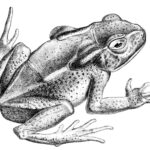
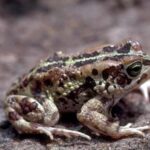
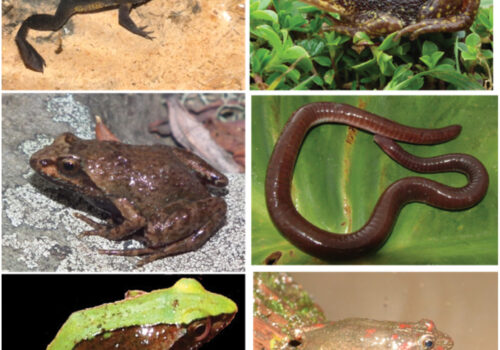
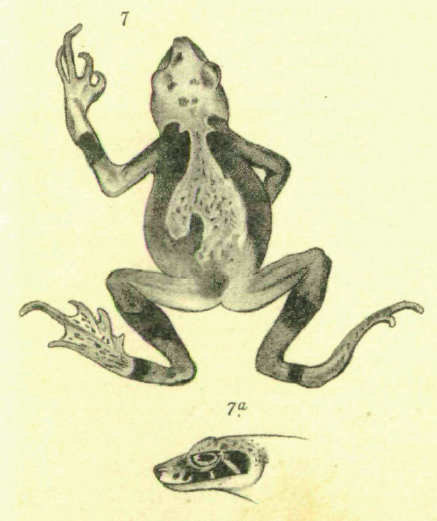
At just over 20 millimeters in length, Wolterstorffina parvipalmata is truly a miniature wonder. Although easily overlooked due to its small size, its appearance is intricate—worthy of close admiration. Shades of brown and ochre meld effortlessly into the forest detritus. Its skin texture is granular, granting a roughened surface mimicking decaying leaves, soil, and pebbles on the rainforest floor; a perfect visual deception worn as armor against predators.
Short limbs equipped with compact digits facilitate efficient maneuvering through leaf litter and soil crevices. Offsetting its minute size, expressive dark eyes located prominently on its flat head aid in detecting predators and prey even in the dimmest reaches of the forest understory.
Yet perhaps its most intriguing adaptation is silent efficiency—like many leaf-litter amphibians, it rarely advertises itself with loud calls, instead relying on near-perfect camouflage for survival.
Behavior and Life Cycle: The Quiet Symphony of Survival#
Life beneath the dense canopy of a tropical rainforest is rarely tranquil. While many forest species produce cacophonous calls and resonate with dramatic displays, the Wolterstorff’s dwarf toad embraces quiet reserve. Its subtle approach benefits survival, attracting fewer predators while remaining efficient in hunting and reproduction.
Feeding Habits: Silent Predators#
These frogs emerge after rainfall or at dusk, capitalizing on increased insect activities. Tiny predators, they stealthily stalk minute prey including small insects, mites, spiders, and tiny invertebrates, capturing them with quick precision. The small scale of their meals ensures minimal competition with larger predators, highlighting their specialized niche within this ecosystem.
Reproductive Strategies: Subtle yet Effective#
While detailed reproductive biology remains understudied, close relatives within Wolterstorffina indicate terrestrial breeding patterns. Likely, female Wolterstorff’s dwarf toads deposit small clusters of eggs beneath damp leaf litter or logs, rather than relying on standing water. Tadpoles, therefore, likely develop hidden within humid microclimates distinct from traditional aquatic amphibian habitats, further distinguishing this remarkable amphibian’s adaptive strategies.
Ecological Role: Small but Mighty Indicators of Health#
The cultural invisibility of Wolterstorff’s dwarf toad masks a surprising ecological relevance. As both prey and predator, their tiny bodies fulfill critical roles. By feeding on small invertebrates, these toads control insect populations, preventing overpopulation and associated ecological imbalances. Simultaneously, they serve as prey for reptiles, larger amphibians, and birds, transferring vital nutrients upward through food chains.
Additionally, due to their sensitivity to habitat disturbance and environmental changes, Wolterstorffina parvipalmata serves as an invaluable bioindicator. Healthy, stable populations denote environments free from harmful pollutants and severe habitat degradation—an early signal of ecological stresses that, if left unchecked, may reach more prominent forest inhabitants, including larger mammals and birds.
Threats and Conservation Status: Facing an Uncertain Future#
Despite the vital ecological services provided, populations of Wolterstorff’s dwarf toad face increasing threats. Habitat fragmentation due to logging, agriculture expansion, and human settlements significantly reduces available forest floor habitat, risking population declines and localized extinctions.
Climate change further complicates survival. Shifting weather patterns alter rainfall frequency and humidity levels, critically affecting microhabitats essential for breeding and survival. Currently categorically listed as ‘Data Deficient’ by the International Union for Conservation of Nature (IUCN), greater efforts are urgently needed in research and habitat protection.
Conservation Efforts in Action#
Currently, dedicated research groups and conservation programs aim to better understand and support Wolterstorffina populations. Expanding forest reserves, improving land management practices, and fostering local community awareness are critical priorities in ongoing conservation strategies. Effective conservation efforts to safeguard Wolterstorffina parvipalmata habitats simultaneously protect countless other rainforest organisms, demonstrating the appeal and urgency of targeted preservation efforts.
Cultural and Scientific Significance: Connecting Humans and Forests#
While not prominently featured in local folklore or traditional belief systems, Wolterstorffina parvipalmata still enriches humanity through knowledge and curiosity. Amphibian-focused ecological studies provide clues essential for understanding complex forest dynamics and biodiversity preservation efforts integral to humanity’s long-term ecosystem well-being.
Conclusion: Protecting a Tiny Amphibian, Safeguarding a Forest#
As we deepen our understanding of Wolterstorff’s dwarf toad, we uncover more clearly a fundamental ecological truth: no species is too small or obscure to genuinely matter. By safeguarding the future of these remarkable amphibians, we ultimately protect vast webs of life housed within West Africa’s rich and vibrant rainforests. Advocacy, awareness, and continued support for biodiversity research help ensure that quiet species like Wolterstorffina parvipalmata continue their muted, vital symphony beneath the forest canopy for generations to come.