- Sclerophrys pardalis: Revealing the Secrets of the Panther Toad
Sclerophrys pardalis: Revealing the Secrets of the Panther Toad#
Beneath the subtle shimmer of African forests and grasslands, cloaked within dense shrubs and shimmering beneath moonlit paths, lies a creature as intriguing as it is vital to its ecosystem—the Panther Toad, scientifically named Sclerophrys pardalis. Often overlooked amid Africa’s charismatic megafauna, this robust amphibian captivates with its distinctive markings and fascinating lifestyle. Aptly named after the leopard (“pardalis” in Latin), this amphibian bears a striking resemblance to the great spotted cat, thanks to the intricate patterns adorning its warty back.
While the Panther Toad may not command the majestic allure of lions or elephants, it holds its own special place in the mosaic of African biodiversity. Beyond its gentle croaking under starry skies or glistening camouflage after rains, the Panther Toad embodies one of nature’s countless marvels—capable of drawing our attention to the profound interconnectedness of ecosystems and serving as a storyteller for habitat health and ecological balance.
Taxonomy and Classification#
As we begin to unravel the fascinating life of this amphibian, we must first understand its place within the larger framework of taxonomy. Sclerophrys pardalis belongs to the Bufonidae family, commonly known as true toads. Within this expansive family, famous for their rugged skin and parotoid glands, the genus Sclerophrys encompasses species primarily restricted to Africa.
Initially classified within the broader genus Bufo, taxonomic revisions based on extensive genetic research led scientists to reclassify this species under a newly designated genus. Today, panther toads rest comfortably within Sclerophrys, sharing close relations with African species such as Sclerophrys regularis (African common toad) and Sclerophrys gutturalis (Guttural toad). This taxonomic clarity is vital, not merely an exercise in scientific nomenclature, but a foundation for effectively understanding their biology, ecological needs, and ultimately, their conservation.
Natural Habitat and Geographic Distribution#
The Panther Toad, a creature remarkably adapted to life across varying terrains, demonstrates an expansive geographic distribution throughout sub-Saharan Africa. The species occurs prominently in Nigeria, Cameroon, Gabon, Equatorial Guinea, Republic of the Congo, and Democratic Republic of Congo, with potential populations extending further into neighboring regions, awaiting thorough scientific investigation.
Traversing across landscapes of lush tropical rainforests, gallery forests, humid savannas, and occasionally grasslands adjacent to water bodies, Sclerophrys pardalis has demonstrated flexibility in habitat preferences. Remarkably adaptable, the Panther Toad thrives in environments adjacent to rivers, streams, marshes, and even artificially modified areas such as plantations or agricultural regions—testament to its robust adaptability. However, for breeding, it displays specific habits, gravitating consistently toward slow-moving or still freshwater sources necessary for tadpole development and successful maturation.
Why Do Panther Toads Thrive Here?#
The success story of Panther Toad populations in their habitats has much to do with evolutionarily honed adaptations. These moist habitats offer abundant insect prey, sheltering vegetation, and optimal spawning grounds. Leaf litter carpets and understory shrubs provide vital protection from predators and climatic extremities, serving as critical shelters during daylight hours. By aligning their reproductive timing closely with significant seasonal rainfalls, Panther Toads have perfected their ecological strategies to thrive amid dynamic African environments.
Physical Characteristics and Adaptations#
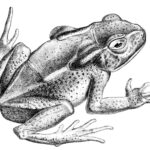
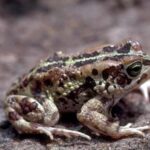
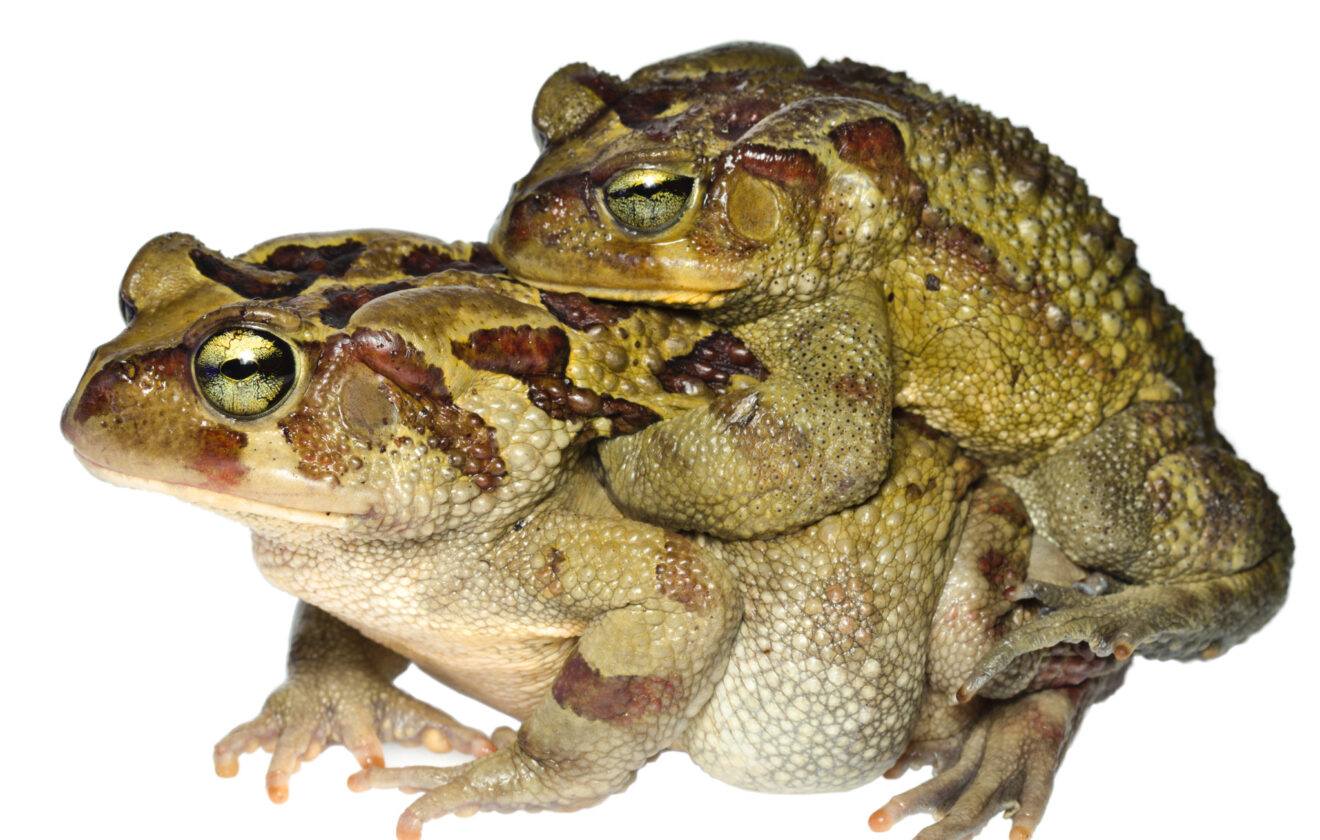
Perhaps no aspect of the Panther Toad speaks more eloquently of its ecological prowess than its distinctive physical traits. Adults are notably stout creatures, usually reaching lengths between five to nine centimeters. Their robust bodies are marked distinctively with dark, leopard-like spots blending into deep brown, olive-green, or beige-gray backgrounds, earning them their feline-inspired name. The skin is rough and warty, an evolutionary warning to would-be predators about the toxins concealed within their prominent parotoid glands.
Distinct elliptical or round patches adorn their backs, allowing the Panther Toad to elegantly meld with its environment. It possesses powerful hind limbs, allowing sudden leaps to evade predators or swiftly capture prey. Its large, bulbous eyes, equipped with horizontal pupils, allow it a panoramic view, critical in detecting predators or potential mates, especially in twilight hours when their activity peaks.
Toxic Defense and Camouflage#
Arguably the most intriguing adaptation is their toxic skin secretion, derived from specialized poison glands. Though generally harmless to humans when handled carefully, these secretions impart a bitter taste and burning irritation, discouraging casual predation. This defensive mechanism acts as life insurance in the perilous existence of a toad.
The Panther Toad’s uncanny ability to mimic its environment through camouflage ensures survival in a predator-rich land. Quiescent by day and active by twilight, Panther Toads master the art of remaining unnoticed, their patterned rough skin rendering them almost invisible against leaf litter substrates.
Behavior and Life Cycle#
Observing the Panther Toad in action provides a delightful glimpse into evolutionary efficiency and behavioral ingenuity. Primarily nocturnal, Panther Toads awaken at dusk, their trails visible after rainfall as they embark upon nocturnal feasts of insect prey. They capitalize heavily on termites, ants, beetles, spiders, and other invertebrates abundant in their habitats.
Breeding and the Chorus of the Night#
Reproduction is perhaps the Panther Toad’s most spectacular behavioral highlight. As rains baptize the African savannah and forests, male Panther Toads erupt into an unmistakable choral symphony. The chorus is not mere harmony; rather, it acts as an acoustic advertisement, beckoning females to their breeding ponds. Females, typically larger than males, carefully select their partners, searching out mates with robust calls indicative of superior genetics.
Amplexus—when the smaller male grips the larger female tightly—ensues, resulting in egg-laying in aquatic habitats. Clutches of small eggs appear as gelatinous, bead-like strings suspended in shallow waters. In just a short duration, tiny dark tadpoles emerge, beginning an extraordinary transformation that culminates in miniature replicas of their terrestrial parents, finely tuned for a life on land.
Remarkable Parental Strategies#
Unlike some amphibians exhibiting elaborate parental care, Panther Toad tadpoles receive minimal parental oversight after spawning. Yet, remarkably high numbers of amphibian offspring can ensure survival even amid significant natural predation, their sheer quantity compensating for limited direct parental attention. Witnessing this fragile balance unfold is itself profound—a timeless dance of survival and adaptation perfected across millions of years.
Key Roles within the Ecosystem#
The Panther Toad’s ecological contributions are vast, whether as predators, prey, or indicators of environmental health. As voracious insectivores, these amphibians significantly reduce insect populations, naturally regulating pest species that might otherwise wreak havoc on agriculture and human habitation. Conversely, they occupy an intermediate trophic level, providing sustenance for a wide assortment of predators, including snakes, small mammals, birds, and fish, thereby contributing intricately to biodiversity maintenance.
Perhaps most significantly, amphibians like the Panther Toad function as sentinel species, whereby environmental scientists monitor general habitat health. Their porous, permeable skin and sensitive life cycles make them particularly vulnerable to pollutants, pathogens, and climate changes, rendering them invaluable in gauging ecosystem integrity.
Threats and Conservation Status#
Despite their apparent adaptability, Panther Toads face escalating threats in the Anthropocene. Rapid habitat destruction and land-use changes in response to intensive agricultural expansion, urban development, and deforestation severely threaten suitable breeding sites.
Pollution caused by agricultural run-off, pesticides, and chemicals pose significant dangers, given the toads’ thin and absorbent skins. Climate change, bringing shifts in rainfall patterns, increased drought frequencies, and higher temperatures, further complicates survival. Currently listed as Least Concern on the IUCN Red List, ongoing vigilance and protection measures remain critical, ensuring the Panther Toads do not slip unnoticed toward vulnerability.
Cultural and Scientific Significance#
In many cultures across Africa, toads represent not merely biological curiosities but integral components of folklore, symbolism, and traditional beliefs. Thought to herald rainfall and fertility or embody certain ancestral spirits, species like Panther Toads integrate wildlife into the cultural fabric, underscoring their intrinsic value for community-based conservation efforts.
From a scientific perspective, toads provide fascinating avenues of study—from their adaptability and toxin production to potential medicine applications. Amphibian skin secretions in particular hold promise for pharmacological research and innovation in antimicrobial treatments.
Conclusion: Celebrating the Panther Toad’s Call#
The Panther Toad is a species entirely worthy of its place within our collective imagination and conservation efforts. They whisper subtle lessons of adaptation, resilience, and ecological interconnectedness, prompting deeper appreciation for Africa’s fragile wild spaces. Let us champion these remarkable amphibians by supporting conservation initiatives, increasing awareness, and taking active roles in protecting the habitats they depend upon. Through such efforts, the Panther Toad’s nighttime serenades will continue stirring generations to come.