- Rhinella chullachaki: Discovering the Enigmatic Toad of the Peruvian Amazon
Rhinella chullachaki: Discovering the Enigmatic Toad of the Peruvian Amazon#
Deep within the emerald embrace of the Peruvian Amazon, where vibrant tapestries of life unfold beneath the shadowed forest canopy, a modest yet astonishing amphibian thrives. Meet Rhinella chullachaki, a captivating species of toad named in honor of the Chullachaki—a mischievous forest spirit from local Amazonian mythology known to assume various disguises. Like its mythological namesake, this elusive creature holds both mystery and charm, embodying the enigmatic allure of one of the world’s most biodiverse regions.
Scientifically described only recently, Rhinella chullachaki offers a window into ecosystems teeming with species still unexplored by science. This humble resident of leaf litter and damp undergrowth may appear small in stature, but its existence provides key insights into the health, dynamics, and wonders of its habitat. Join us on an exploratory journey into the fascinating world of Rhinella chullachaki—a journey that celebrates not only this remarkable amphibian but also the rich tapestry of life it represents and the urgent necessity of preserving our planet’s wild frontiers.
Taxonomy and Classification#
Rhinella chullachaki belongs to the Bufonidae family—commonly called true toads—which comprises a diverse group of hardy, terrestrial amphibians widely distributed across the globe. Within this family, the genus Rhinella is particularly diverse in the Neotropics, encompassing numerous species uniquely adapted to the ever-changing habitats of the Americas.
Scientifically identified in 2018 by a team of herpetologists, Rhinella chullachaki quickly sparked interest among biodiversity researchers. It is closely related to species like Rhinella margaritifera and other members of the Rhinella margaritifera complex. The recognition of Rhinella chullachaki as a distinct species highlights the undiscovered biodiversity hidden amid the dense foliage of Amazonia, emphasizing how crucial ongoing exploration and taxonomy remain to our complete understanding of Earth’s complex ecosystems.
Natural Habitat#
Geographic Range#
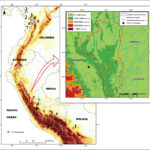
Rhinella chullachaki inhabits the lush, humid lowland forests of Peru’s Amazon basin, particularly thriving in the biodiverse region of Loreto. The area’s dense rainforests, interspersed with gently flowing tributaries and submerged wetlands, offer ideal conditions that sustain an exquisite diversity of life, from towering canopy trees to vibrant invertebrate communities.
Preferred Habitats#
This cryptic toad expertly navigates the moist leaf litter, fallen logs, and dense vegetation of pristine rainforest floors. Unlike their arboreal amphibian cousins who claim treetop kingdoms, Rhinella chullachaki stays close to the ground, often sheltering beneath rotting branches or in shallow depressions that collect moisture from recent rains.
These habitat preferences reflect their ecological adaptations, enabling a life carefully balanced between concealment from predators and access to abundant invertebrate prey. Moisture-dependent and sensitive to environmental disturbance, Rhinella chullachaki serves as a valuable indicator species, signaling the overall health and stability of rainforest ecosystems.
Physical Characteristics#
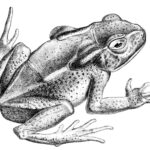
Average adult Rhinella chullachaki measure approximately 5 to 7 cm in length—modest yet perfectly suited to their terrestrial lifestyle. Their robust bodies and short, powerful legs facilitate swift movements through tough terrain, while characteristic glandular skin texture distinguishes them clearly as “true toads.”
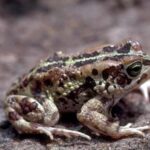
Coloration varies among individuals, but the species usually showcases mottled shades of olive-brown to grey, interspersed with irregular darker patches and subtle patterning—a camouflaged masterpiece adapted flawlessly to the shadowy forest floor. Their bodies often exhibit a granular texture, adorned with warty protrusions, attributing an added measure of concealment among leaf litter and decomposing vegetation.
Remarkably, their cryptic colorations are more than mere aesthetics—they are essential adaptations for evading predators. As they remain motionless amid leaf debris, Rhinella chullachaki masters the subtle art of invisibility, melting seamlessly into its surroundings.
Behavior and Life Cycle#
Feeding Behavior#
This stealthy amphibian emerges at dusk into the humid twilight to pursue a varied diet composed predominantly of ants, small beetles, termites, and other forest floor invertebrates. Utilizing sharp eyesight and rapid tongue projection, Rhinella chullachaki can efficiently snatch prey from leaf litter with stealth and precision.
Breeding and Reproduction#
During the rainy season, lasting approximately from November through April, rainforest ponds and flooded areas blossom into vibrant nurseries for amphibian life. During these wet months, males of Rhinella chullachaki assemble at shallow forest pools and edges of slow-moving streams, vocalizing distinctively deep, resonant mating calls. These powerful calls echo through dense rainforest vegetation, guiding females to suitable spawning sites.
Females respond by laying gelatinous strings containing hundreds to thousands of small black eggs. After fertilization by attending males, embryonic development unfolds rapidly. Tadpoles, hatching quickly within a few days, graze voraciously on algae, microscopic aquatic vegetation, and occasionally carrion substrates. Within weeks, metamorphosis transforms these underwater larvae into miniature replicas of their terrestrial parents, ready to explore their terrestrial realm beneath trees that have sheltered generation after generation of amphibian life.
Ecological Role#
Rhinella chullachaki occupies a crucial position within Amazonian food webs as both predator and prey. By consuming vast numbers of insects, this small amphibian contributes significantly to regulating insect populations, indirectly aiding botanical health and growth.
Simultaneously, their role as prey supplements the diets of countless larger rainforest predators, including snakes, caimans, birds, and even larger amphibians. Consequently, the presence and balance of Rhinella chullachaki populations help indicate ecosystem health, stability, and resilience within Amazonian forests.
Threats and Conservation Status#
Despite the relatively recent scientific description of Rhinella chullachaki, habitat loss and environmental damage pose ongoing threats to this valuable species. Expanding resource extraction, logging, agricultural development, and climate-driven changes in precipitation patterns directly jeopardize its rainforested habitat, thereby endangering both individual survival and the long-term viability of populations.
While researchers have not yet categorized Rhinella chullachaki on the IUCN Red List due to insufficient data, increased preservation efforts and habitat protections emerge as essential priorities. Conservation organizations and scientists advocate for ongoing biodiversity surveys paired with proactive measures to mitigate habitat fragmentation, pollution, and disturbance in this vital region of Peru’s Amazon basin.
Cultural and Scientific Significance#
The name Rhinella chullachaki pays tribute to the Amazonian folklore of Peru, embodying the Chullachaki spirit—an elusive forest personality said to adopt different forms, confusing wanderers and protecting jungle territories from harm. This cultural connection subtly symbolizes the protective, intricate web of biological life that forests represent, reinforcing the inseparable bond between nature, culture, and conservation.
Scientifically, species like Rhinella chullachaki offer invaluable insights into biodiversity patterns, speciation processes, and ecological dynamics within neotropical forests. Amphibians act as sensitive indicators for environmental quality and health; thus, the preservation and study of this species became critical components in broader efforts to understand and sustain biodiversity around the globe.
Conclusion: Valuing and Protecting Peru’s Undiscovered Treasures#
Rhinella chullachaki symbolizes far more than a newly described biological entity—it embodies the wonderment, complexity, and fragility inherent in regions like the Peruvian Amazon. As we continue to unravel the biological mysteries held within these forests, species such as this curious toad remind us repeatedly of the remarkable interconnections nesting quietly within our planet’s wild places.
By valuing, protecting, and intimately understanding these fascinating creatures and the diverse ecosystems they inhabit, we participate directly in safeguarding Earth’s future. Let us honor Rhinella chullachaki and countless undiscovered species by actively supporting conservation initiatives, fostering biodiversity education, and advocating responsible protection policies. Together, these actions ensure that the magic, curiosity, and diversity that forests hold—the same magic found in a tiny, camouflaged toad—is preserved and celebrated for untold generations to come.