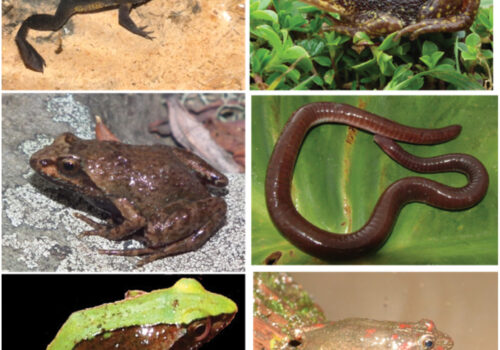
- Meet Sigalegalephrynus gayoluesensis: Unveiling the Secrets of a Hidden Forest Treasure
- Taxonomy and Classification
- Natural Habitat and Geographic Range
- Physical Characteristics: The True Identity of Sigalegalephrynus gayoluesensis
- Behavior and Life Cycle: A Hidden Symphony of Life
- Ecological Role: Small but Indispensable
- Threats and Conservation Challenges: Preserving a Rare Jewel
- Cultural and Scientific Significance: Beyond Mere Curiosity
- Conclusion: Stewards of a Hidden World
Meet Sigalegalephrynus gayoluesensis: Unveiling the Secrets of a Hidden Forest Treasure#
Nestled within the verdant, mist-shrouded forests of Sumatra, a small amphibian leads an existence few humans have glimpsed firsthand. Sigalegalephrynus gayoluesensis, a frog that has only recently stepped into the scientific spotlight, embodies nature’s boundless capacity to astonish and delight — a harbinger of discovery whispering through the foliage of Indonesia’s most enigmatic ecosystems.
Officially described in 2017, this remarkable species remains shrouded in both literal and symbolic mystery. Its very existence underscores the vast trove of biodiversity awaiting exploration and protection across Southeast Asia’s dwindling forests. Small but vivid, quiet yet impactful, Sigalegalephrynus gayoluesensis symbolizes the critical need to preserve these hidden paradises from the encroachment of the modern world.
Taxonomy and Classification#
To truly appreciate Sigalegalephrynus gayoluesensis, we must first understand where it rests within nature’s elaborate tapestry. Classified within the family Bufonidae — the “true toads” — this particular amphibian belongs to the enigmatic genus Sigalegalephrynus, which currently encompasses just a few known species.
The genus Sigalegalephrynus itself is relatively young, delineated by herpetologists only recently through modern techniques of genetic testing and morphological scrutiny. As we journey through its unique evolutionary history, we witness deep lineages that speak volumes of the ever-shifting landscapes and climates of Southeast Asia. This connection to ancient ecosystems makes Sigalegalephrynus gayoluesensis not only intriguing as a scientific subject but profoundly significant ecologically and evolutionarily.
Natural Habitat and Geographic Range#
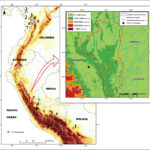
Sigalegalephrynus gayoluesensis holds court in very specific corners of the world. Currently documented only in Indonesia, specifically the richly biodiverse, lushly canopied forests of northern Sumatra’s Aceh province, this species epitomizes an amphibian perfectly adapted to its complex rainforest home.
A World Beneath the Forest Canopy#
Imagine venturing into Aceh’s dense forests, your boots gently sinking into moss-covered roots entwining ancient trees that tower sky-high, their canopies merging seamlessly into a chorus of emerald green. Through occasional breaks in overhead foliage, fine tendrils of sunlight spill downward, illuminating droplets of moisture suspended in humid air.
Within this shadow-dappled realm, Sigalegalephrynus gayoluesensis thrives, preferring the humid, leaf-littered floors near pristine streams and pools. Such habitats provide ample cover, moderate temperatures, and rich hunting grounds for tiny insects—everything a small amphibian could desire to flourish unnoticed in relative tranquility.
Adapting to a Specialized Niche#
Why does Sigalegalephrynus gayoluesensis choose such a specialized habitat? Primarily, these frogs have evolved finely-tuned behaviors and physiological traits suited specifically to the stable microclimates found beneath dense canopy environments. Humidity-sensitive skin and adaptations for stealth and camouflage have made these secluded forests not just a preference but a biological imperative for survival.
Physical Characteristics: The True Identity of Sigalegalephrynus gayoluesensis#
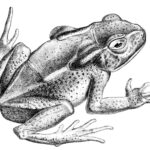
Aesthetically striking yet surprisingly diminutive, this toad rarely exceeds two centimeters in length, making it easy to overlook—even for vigilant naturalists. However diminutive, its physical attributes convey sophisticated adaptations revealing both beauty and extraordinary ecological function.
Camouflage, Physiology, and Survival Strategies#
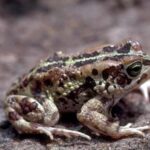
Cloaked predominantly in shades of brown, ochre, and beige, its coloration mirrors precisely the leaf litter and muddy substrates of its environment. Tiny dark speckles and irregular markings cover its slender body, transforming it into a near-perfect mimicry artist among the decaying leaves on which it resides.
The smooth yet subtly bumpy skin efficiently regulates moisture absorption, helping it survive bouts of dryness between rainfall. The species’ carefully adapted limbs and digits aid swift escapes from potential threats, all finely tuned to ensure this amphibian remains alive in a challenging, predator-rich habitat.
Behavior and Life Cycle: A Hidden Symphony of Life#
The life of Sigalegalephrynus gayoluesensis might seem small-scale and obscure, but beneath its humble facade runs a complex behavioral narrative firmly ingrained within the ecosystem’s delicate cycles.
The Art of the Hunt: Feeding Habits#
This graceful amphibian subsists primarily on miniature arthropods, deftly intercepting ants, termites, springtails, and tiny beetles. Its hunting strategy relies heavily on stealth and precision, silently waiting among leaf litter before propelling itself with impressive agility to grasp unsuspecting prey using a sticky, rapid tongue.
From Egg to Adult: A Subtle Transformation#
Sigalegalephrynus gayoluesensis embarks upon its life amid secluded waterways and temporary forest pools, the perfect nursery habitats shielded from predators. Males aggregate around breeding sites, softly yet persistently calling to females through quiet chirps and subtle croaks. Upon mating, secluded pockets of water cradle translucent eggs, carefully hidden within submerged vegetation.
The journey from egg to tadpole to adult occurs quietly and unnoticed, as tiny larvae navigate their aquatic nurseries, feeding innocuously on microscopic algae until metamorphosis grants them the freedom to venture ashore. Such processes, inconspicuous yet foundational, illustrate the essential role the species plays in maintaining the ecological harmony of Aceh’s protected forests.
Ecological Role: Small but Indispensable#
One might underestimate the ecological importance of a frog as diminutive as Sigalegalephrynus gayoluesensis. However, its presence profoundly affects its immediate ecosystem, marking it as an integral player in nature’s finely balanced orchestra.
A Keystone Amphibian in Its Forest Realm#
Frogs like Sigalegalephrynus gayoluesensis function importantly as food chain regulators. By consuming abundant insects, they prevent outbreaks that could otherwise harm foliage, ensuring forest health and stability. Furthermore, they serve as essential nourishment links for larger predators, from snakes and birds to small mammals — species that, in turn, form parts of larger forest ecosystems.
Threats and Conservation Challenges: Preserving a Rare Jewel#
Unfortunately, the peace of Indonesia’s forests grows precarious each year. Increasingly vulnerable to habitat loss, climate shifts, and human pressures, species like Sigalegalephrynus gayoluesensis find themselves confronting new existential threats.
Habitat Loss and Fragmentation#
Logging operations, agricultural expansion—including palm oil plantations—and human settlements steadily erode forest cover, driving rapid declines in essential habitats. Fragmentation not only shrinks livable space but isolates frog populations, limiting genetic exchange and resilience against ongoing threats.
An Uncertain Climate Future#
Climate change presents another looming danger. Shifts in rainfall patterns, increasing temperatures, and rising climatic unpredictability directly threaten the humid microhabitats this frog requires. Prolonged drought or disrupted rainfall can dry precious breeding sites, jeopardizing reproduction and larval growth.
The Imperative of Conservation Action#
Although the precise IUCN conservation status remains undetermined due to limited data, researchers equate Sigalegalephrynus gayoluesensis populations with vulnerable conditions common across Sumatran rainforests. Robust field research and direct habitat conservation can significantly assist in evaluating population robustness, monitoring trends, and establishing targeted conservation actions.
Cultural and Scientific Significance: Beyond Mere Curiosity#
Although this species only recently entered scientists’ notebooks, its discovery signals broader implications for cultural attitudes towards nature and biodiversity. Locally known species frequently inspire indigenous folklore and symbolism emphasizing coexistence and reverence toward the natural world. Such species also symbolize our broader responsibility toward biodiversity preservation and ecological understanding.
Scientifically, newly discovered amphibians like Sigalegalephrynus gayoluesensis hold profound implications for potential medicinal research, ecological health indicators, and evolutionary insights critical to conservation biology worldwide.
Conclusion: Stewards of a Hidden World#
Sigalegalephrynus gayoluesensis teeters between discovery and obscurity, telling a profound story about biodiversity, evolution, and conservation. Each tiny amphibian acts as both marvel and messenger, a gentle reminder of Earth’s unexplored wonders. May their quiet journeys beneath dark foliage rouse us to stewardship, appreciation, and action, reinforcing our collective responsibility to protect their rainforest home for generations yet unborn.