- Pelophryne guentheri: Delving into the Hidden World of Günther's Dwarf Toad
Pelophryne guentheri: Delving into the Hidden World of Günther’s Dwarf Toad#
Beneath the lush emerald canopy of Southeast Asia’s rich tropical forests, among concealed leaf litter and fallen branches, an inconspicuous yet fascinating creature dwells—Pelophryne guentheri, commonly known as Günther’s Dwarf Toad. Often overlooked due to its modest size and cryptic behavior, this diminutive amphibian holds within it surprising secrets, valuable ecological roles, and an extraordinary resilience to thriving in challenging hidden habitats. Named in tribute to the renowned herpetologist Albert Günther, this discreet species invites us to explore its hidden realms, often unnoticed but incredibly essential to our environmental balance.
Though small enough to nestle comfortably on the tip of your finger, Günther’s Dwarf Toad carries immense ecological significance, vital as both predator and prey within its forest ecosystem. From feasting on insects to navigating unique rainforest microhabitats, Pelophryne guentheri provides valuable insight into the ecological health of its surroundings. Moreover, its conservation status symbolizes broader environmental issues surrounding forest habitat conservation in Southeast Asia.
Taxonomy and Classification#
In scientific classification, Pelophryne guentheri falls under the Anura order, belonging specifically to the Bufonidae family, which encompasses true toads, notorious for their characteristic rough skin and toxin-producing glands. Within Bufonidae, Pelophryne guentheri belongs to a genus distinguished by its small, cryptic species, specially adapted to unique niches within Southeast Asia’s rainforests.
The genus Pelophryne itself hosts only a small number of similarly diminutive yet diverse toads, characterized predominantly by their cryptic habits and specialized forest-floor niches. First described scientifically by George Albert Boulenger in 1882, Pelophryne guentheri honors the enduring legacy of Albert Günther, curator of zoology at the British Museum, who vastly contributed to herpetological knowledge.
Natural Habitat#
Geographic Range#
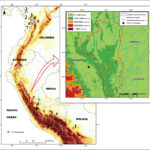
Endemic to the lush forests of Southeast Asia, Pelophryne guentheri’s known distribution spans regions notably covering Borneo, Malaysia, Indonesia, Thailand, and parts of the Philippines. Within these verdant landscapes, this species inhabits humid primary and secondary tropical forests, thriving particularly among the leaf litter and fallen logs that generously scatter the rich forest floor.
Habitat Preferences and Microhabitat Specialization#
Günther’s Dwarf Toad possesses an affinity for densely vegetated, moist habitats. Typically found among layers of damp leaf litter, beneath rotting logs, or nestled within decomposing matters, these subtle toads rely heavily on moisture-dependent microhabitats. Their preference for humid microclimates dictates their vulnerability to shifting environmental conditions. This precise habitat selection ensures they remain cryptic and hidden from potential predators, sheltered amid the bustling biodiversity of their rainforest homes.
Given their terrestrial nature, these dwarf toads rarely stray far from the forest soil. Considering the high moisture retention required for skin respiration, their presence functions almost as a bioindicator of ecosystem health. Forest degradation appears in marked correlation with declining populations of Pelophryne guentheri, highlighting their delicate relationship to intact forest habitats.
Physical Characteristics#
Appearance and Size#
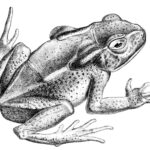
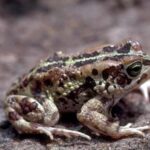
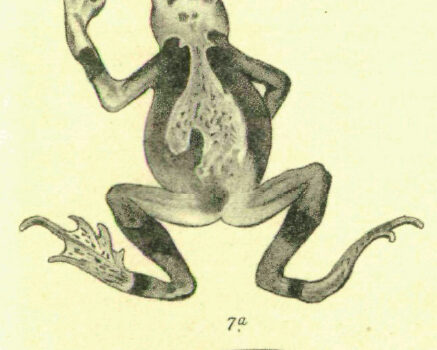
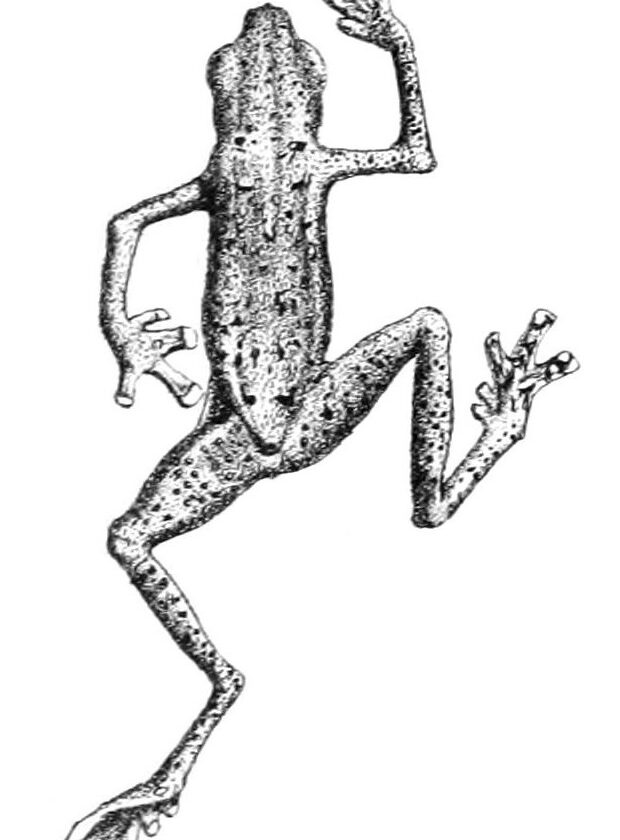
The first striking aspect of Pelophryne guentheri is undoubtedly its diminutive size. Adults measure merely 15 to 20 millimeters from snout to vent, placing them among the smallest members in the Bufonidae family. Their minuscule size grants them exceptional camouflage abilities, allowing seamless concealment amid leaf litter and forest debris.
Skin texture is an additional defining characteristic. Rough and granular, their skin assists both camouflage and water conservation. The coloration varies, typically presenting shades of brown, olive, or gray with darker speckle patterns that mimic surrounding forest textures. Such characteristics dramatically enhance their cryptic adaptations, ensuring that even attentive observers often miss their presence among leaf litter mosaics.
Adaptations for Survival#
Adaptive traits such as cryptic coloration, tiny size, rough textured skin, and shortened digits expertly equip Pelophryne guentheri to maneuver among fallen vegetation and detritus on the forest floor. These physical features not only prevent detection by predators but also facilitate hunting behaviors, allowing them stealthy, energy-efficient access to insect prey.
Moreover, special skin glands typical to bufonid amphibians secrete mild toxins deterring predators. Though less potent compared to larger relatives, these chemicals serve as an effective defensive mechanism against predation by reptiles or small mammals, underscoring nature’s elegant intertwining of physiology with ecological survival strategies.
Behavior and Life Cycle#
Feeding Habits and Food Sources#
Günther’s Dwarf Toad is chiefly insectivorous, preying predominantly upon minute forest arthropods including ants, mites, termites, and small beetle species. Employing a sit-and-wait approach, these toads rely on stealth and patience, utilizing their subtle coloration to remain concealed until unsuspecting prey moves within striking distance.
Mating Calls and Breeding#
Reproductive habits among Pelophryne guentheri follow seasonal cues intimately linked to rainforest weather patterns. During rainy seasons, the males gather close to shallow temporary pools or inundated forest depressions, producing gentle yet distinct vocalizations to attract females. Unlike the loud chorus characteristic of many frogs, their calls remain subtle chirps, carefully adapted to avoid predators’ detection.
Eggs and Developmental Stages#
After courtship, females deposit clusters of small gelatinous eggs into temporary forest pools or moist leaf litter areas, providing an ideal microhabitat for embryonic development. Tadpole stages are notably brief, rapidly metamorphosing to accommodate their transient aquatic environment, a critical adaptation enabling survival in fleeting rainforest pools.
Ecological Role#
As both predator and prey within its distinctive ecological niche, Pelophryne guentheri occupies an essential role in forest ecosystems. By preying upon insects, it contributes significantly to controlling insect populations, consequently aiding the regulation of forest ecosystem stability. Furthermore, the toads themselves serve as significant nutrient sources for higher-level predators, ensuring energetic flow efficiently circulates through diverse rainforest food webs.
Additionally, their sensitivity to environmental shifts uniquely positions them as valuable indicator species, highlighting ecosystem health or degradation and showcasing the delicate balance present within forest habitats.
Threats and Conservation Status#
Current Threats and Environmental Pressures#
The primary threats haunting Pelophryne guentheri echo the larger environmental challenges facing Southeast Asia’s tropical ecosystems. Habitat loss resulting from deforestation, agricultural expansion, logging activities, and rampant land-use changes present ongoing threats to their populations. Additionally, emerging threats from climate change altering precipitation cycles and rainfall frequency can disrupt breeding patterns profoundly.
IUCN Status and Conservation Efforts#
Despite their vulnerability to habitat destruction, Pelophryne guentheri is currently classified as Least Concern by the International Union for Conservation of Nature (IUCN). However, this relatively positive classification reflects limited surveys rather than definite population stability; thus, continued assessments remain essential to fully understand the species’ population trends and ecological vulnerabilities.
Current conservation efforts center around habitat protection and ecological research, advocating effective management strategies ensuring the continued health of Southeast Asian rainforest ecosystems and the many species they nurture. Engaged conservation projects and scientifically informed policies represent our strongest tools in safeguarding this modest yet essential species.
Cultural and Scientific Significance#
Although not prominent in local folklore or traditional symbolisms due to their inconspicuous nature, Pelophryne guentheri holds significance scientifically, acting as a model species for studying ecological responses to environmental degradation and microhabitat specialization. Herpetologists often examine these diminutive amphibians to gain insights into evolutionary adaptations, habitat selection behaviors, and indicators of rainforest ecosystem stability.
Continued research into this species aids broader conservation initiatives, demonstrating the interconnectedness between habitat preservation and biodiversity maintenance, thereby emphasizing their quiet yet influential contribution to ecological awareness and environmental education.
Conclusion: Celebrating Our Quiet Ecological Guardians#
In understanding and appreciating Pelophryne guentheri, we celebrate ecological complexity and interconnectedness. Though easily overlooked among Southeast Asia’s lush forests, this discreet amphibian serves as a poignant reminder of biodiversity’s essential nature. As habitat loss increasingly threatens many overlooked species, prioritizing ecological integrity and conservation becomes our shared responsibility.
We encourage further exploration, advocacy, and support for ongoing scientific research and habitat conservation efforts, ensuring Günther’s Dwarf Toad continues its quiet, invaluable presence within the rainforests. Their story, underscored by resilience and ecological subtlety, invites us all toward greater stewardship, compassion, and collective action.