- Introduction: Hidden Jewel of the Eastern Arc Mountains
- Taxonomy and Classification: Understanding Its Place in the Amphibian Tree of Life
- Natural Habitat: Serenaded By Moisture and Shade
- Physical Characteristics: Camouflage Mastery in Miniature
- Behavior and Life Cycle: A Quiet, Intricate Dance
- Ecological Role: Quiet Guardians of Forest Balance
- Threats and Conservation Status: Vulnerabilities from an Unsustainable World
- Cultural and Scientific Significance: Amphibians as Stewards of Traditions and Discovery
- Conclusion: Preserving the Quiet Songs of <em>Sclerophrys brauni</em>
Introduction: Hidden Jewel of the Eastern Arc Mountains#
In the remote, mist-shrouded foothills of Africa’s Eastern Arc Mountains, one of nature’s quieter marvels dwells almost unseen. It is a creature whose gentle charm and ecological alchemy weave seamlessly beneath the dense canopy, crafting an essential role in its fragile ecosystem. Meet Sclerophrys brauni, Braun’s Forest Toad, a lesser-known yet fascinating amphibian whose timid demeanor conceals its ecological significance and intriguing biology.
At first glance, this humble toad may seem fairly ordinary, yet dive deeper into its world and one soon discovers a compelling story of adaptation, intricate relationships, and conservation urgency. Unique to the humid forests of eastern Tanzania, Sclerophrys brauni journeys through its existence quietly, yet its very survival holds key messages for understanding biodiversity and the relentless pressures it faces.
Taxonomy and Classification: Understanding Its Place in the Amphibian Tree of Life#
Scientifically named Sclerophrys brauni, this species belongs to the expansive Bufonidae family, which encompasses Europe’s common toads, agile tree-dwelling amphibians from Asia, and iconic giants like Africa’s cane toad. Formerly classified in the genus Bufo, recent molecular studies and morphological analyses led taxonomists to place Braun’s toad into the revised genus Sclerophrys, recognized today for various African species.
The reassignment into Sclerophrys underscores recent scientific advances, particularly genetic studies, which are reshaping the evolutionary tree and helping researchers understand ancestral pathways traversed by amphibian lineages. Its closest relatives include similarly forest-adapted species such as Sclerophrys kerinyagae and Sclerophrys camerunensis, highlighting an evolutionary lineage refined by lush environments and selective environmental pressures.
Natural Habitat: Serenaded By Moisture and Shade#
Step into the heart of Tanzania’s Eastern Arc Mountains and you encounter a landscape shrouded in a perpetual verdant twilight. The montane forests, home to Braun’s Forest Toad, drape themselves gently across the slopes, where filtered sunlight and rhythmic dripping from leaves create a constant serenade of moisture. Here, amidst the layered vegetation, tangled roots, and occasional forest streams, Sclerophrys brauni finds its ideal home.
Favoring lower elevation terrestrial habitats within cloud forests, this species thrives beneath the protective cover of fallen leaves and moist organic debris, which offer necessary shade and humidity. The ambient environment provides more than just protection—it maintains thermoregulation, ensuring thermal stability even during periods of climatic extremes. Occasional excursions towards shallow streams for breeding further reinforces this habitat’s integral role in the species’ life cycle.
Physical Characteristics: Camouflage Mastery in Miniature#
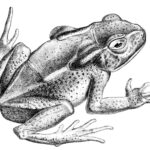
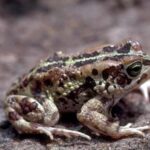
At approximately 4 to 6 centimeters in length, Sclerophrys brauni is neither imposing nor flamboyant. Yet its attractiveness emerges subtly and elegantly through delicate details, adapted meticulously by evolution to blend seamlessly with its environment. Rich chestnut and muted olive tones mark its compact body, interspersed with earthy browns, understated speckles, and faint irregular patterns mirroring shades borrowed directly from shadows and leaf litter.
The skin of Braun’s Forest Toad exhibits roughness typical of true toads; its dorsum peppered with granulation serves as perfect camouflage while offering protection from potential predators. Its limbs, sturdy yet proportionate, assist in diligent navigation through leaf debris, while large, expressive eyes highlighted softly in golden hues capture the faintest movements of insects upon which it prey.
Adaptations extend beyond mere aesthetics. Under microscopic scrutiny, its textured skin reveals glands capable of secreting mild toxins—defending against predators and pathogens alike. Such adaptations embody overlooked sophistication in the humble presentation of this amphibian, demonstrating nature’s quiet but relentless ingenuity.
Behavior and Life Cycle: A Quiet, Intricate Dance#
Feeding Habits and Predation#
Amidst the diverse undergrowth, feeding behavior in Braun’s Forest Toads unfolds discreetly. Primarily nocturnal, the species utilizes the cover of darkness to venture forth from hiding places beneath foliage. Endowed with exceptional night vision and acute sensitivity to movement, it ambushes small prey such as ants, termites, beetles, spiders, and other forest floor invertebrates, relying on swift, surprising leaps practiced with striking accuracy.
Breeding and Parental Investment#
When rains invigorate forests during breeding season, males emerge from solitary camouflage into vocal, collective assemblies. Their resonant, whispered calls carry gently along forest streams, beckoning females with alluring simplicity. The streams, pristine and cool, become nurseries as females deposit gelatinous strings laden with eggs among submerged vegetation.
The metamorphosis of tadpoles into toadlets symbolizes one of nature’s most miraculous transformations. Few mammals match such clear, tangible connections between environment and life progression. Larvae, initially aquatic, undergo a marvelous transition, developing limbs and lungs, reshaping their diets, muscles, and entire physiologies before emerging to terrestrial existence, forever intertwined with the rhythms forced gently upon them by forest ecosystems.
Ecological Role: Quiet Guardians of Forest Balance#
Like all frogs and toads, Sclerophrys brauni occupies a crucial node in their ecosystem’s trophic web, regulating invertebrate populations and acting as integral prey for other wildlife—birds, snakes, and small mammals. This balanced dynamic showcases the symbiotic fabric woven intricately through each creature’s existence within healthy ecosystem functionality.
More subtly, Braun’s Toad serves as an effective bioindicator species. Its sensitive skin, permeable to moisture and pollutants, readily absorbs chemicals, changes in pH, and temperature fluctuations—revealing trends scientists and conservationists utilize to monitor environmental health. Protecting amphibians thus becomes synonymous with safeguarding the forest and rivers critical to countless lives, human included.
Threats and Conservation Status: Vulnerabilities from an Unsustainable World#
Despite their concealed, humble existences, species like Sclerophrys brauni embody vulnerability. Currently classified as Vulnerable by the IUCN Red List, this forest toad confronts multiple threats: habitat loss due to logging and land-use change, climate anomalies disrupting seasonal breeding cycles, water pollution, and newly emerged diseases like chytridiomycosis, known for devastating amphibian populations globally.
Conservationists and scientists undertake efforts to monitor population trends, establish protective reserves, and adopt environmentally sensitive land practices. Community-funded initiatives also engage local stakeholders, facilitating habitat conservation through sustainable livelihoods and awareness-raising campaigns outlining direct connections between amphibian protection and human well-being.
Cultural and Scientific Significance: Amphibians as Stewards of Traditions and Discovery#
Though not yet widely popularized in folklore or local traditions specifically, amphibians broadly symbolize fertility, transformation, and renewal across African cultures. It is in scientifically revealing realms, particularly bioindicator research, where Braun’s Forest Toad garners special significance. Monitoring its biological responses enables vital forecasting to climate adaptability, habitat quality, and environmental sustainability, thus reflecting its precious ecological value far beyond immediate visibility.
Additionally, studies into toad toxins and amphibian immune mechanisms continue underpinning significant biomedical developments in pharmacology and growth research. Such pathways elevate appreciation significantly beyond simple ecosystem roles, weaving biodiversity into collective human progress, health, and understanding.
Conclusion: Preserving the Quiet Songs of Sclerophrys brauni#
Sclerophrys brauni serves as an eloquent ambassador for the smaller, quieter organisms underpinning global biodiversity. With gentle beauty, discreet habits, and intricate biological roles, it highlights the ecological sensitivity linking earth’s wondrous natural tapestry. Preserving its existence means safeguarding irreplaceable montane forests, ecosystems which silently regulate climate, cleanse water, and nourish life itself.
As readers, nature enthusiasts, educators, and conservation advocates, our call to action becomes clear. Educating ourselves about species like Braun’s Forest Toad and supporting sustainable conservation strategies offers profound impacts beyond species alone, ensuring thriving, healthy habitats for generations. By listening carefully, we not only hear amphibians sing quiet melodies of biodiversity—we realize profoundly that protecting nature’s hidden gems enriches and sustains our shared, remarkable home.