Rhinella limensis: Discovering the Enigmatic Toad of Peru’s Coastal Ecosystems#
Hidden among the rocky coastal plains and arid scrublands along western Peru is a fascinating amphibian—one that has adapted against all odds to thrive in a uniquely challenging environment. Known scientifically as Rhinella limensis, this toad species may not boast vibrant colorations or flamboyant behaviors, yet it exudes a quiet wonder that captivates those fortunate enough to encounter it.
While many toads call dense rainforests and humid riverbanks home, Rhinella limensis carved out a survival niche in an environment where fresh water is scarce and conditions can be unforgiving. Its resilient adaptability and unique biology draw attention from biologists and nature enthusiasts alike, highlighting a subtle but captivating story of wildlife tenacity.
Taxonomy and Classification#
Belonging to the family Bufonidae, Rhinella limensis sits comfortably within a lineage commonly known as “true toads.” Bufonidae, a globally distributed family, showcases incredible diversity—displaying a vast range of adaptations to myriad habitats.
The genus Rhinella, to which our subject belongs, encompasses numerous species predominantly distributed throughout Central and South America. Many close relatives, such as Rhinella marina, have remarkable abilities to thrive in varied habitats, demonstrating the genus’s impressive survival versatility. However, despite its relation to highly abundant cousins, R. limensis remains notable for its highly localized distribution and unique ecosystem requirements.
Natural Habitat#
A Coastal Amphibian’s Sanctuary#
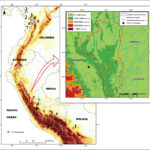
Geographically restricted to Peru, Rhinella limensis inhabits a relatively narrow coastal strip characterized by semi-arid terrain, scattered scrub vegetation, rocky outcroppings, and occasional freshwater streams. Regions around Lima, hence the specific epithet “limensis“, provide essential habitat elements required by this specialized amphibian.
The stark, rugged landscape—where the verdant colors of typical amphibian habitats are mostly absent—may initially seem inhospitable, yet for R. limensis, it offers precisely the mixture of resources required. Beneath rocks, underground burrows, and damp crevices, pockets of moisture sustain toads that carefully navigate limited surface water availability.
Seasonal rains in coastal Peru, intensified during El Niño events, trigger subtle yet significant ecological transformations. The toads seize these brief humid conditions to breed and thrive, showcasing their remarkable synchronization with climatic patterns.
Physical Characteristics#
Mastery of Subtle Camouflage#
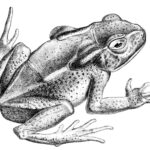
Rhinella limensis exhibits a coloration that mirrors its surroundings flawlessly. Rather than vibrant hues, its body is clothed in shades that blend harmoniously with rocky substrates and sandy soil. Earthy tones of muted brown, grayish-yellow, and olive drab dominate; detailed spotting and mottling further strengthen this camouflage. This subdued coloration is essential; predators in this sparse environment are vigilant, and the modest toad must rely heavily upon cryptic coloration for safety.
Adults of this species typically range between 45 to 65 mm in length, rendering them medium-sized among toad species. Their robust bodies, characterized by rough, granular skin textures, enable them to conserve vital moisture efficiently. The prominent parotoid glands behind their eyes store defensive toxins, offering protection against potential predators and underscoring their effective defensive adaptations.
Behavior and Life Cycle#
Creating Life in a Harsh Land#
As twilight descends upon Peru’s coastal plains, Rhinella limensis emerges from subterranean shelters in search of nourishment. Like most toads, it predominantly feasts upon insects—particularly beetles, ants, spiders, and various nocturnal arthropods abundantly present under the cover of darkness.
Their hunting technique involves patient ambushes; with surprising agility, these toads lunge forward, extending their sticky tongues rapidly to capture unsuspecting prey. The efficiency of their hunting ensures their energy demands are met in an environment where competition for prey resources can be fierce.
A Seasonal Dance of Courtship#
Following the region’s sparse rains—often dictated by the patterns of El Niño—pools form briefly among creeks, temporary ponds, and depressions in the rocky landscape. These ephemeral waters signal the beginning of the breeding season, sparking a chorus of mating calls and initiating courtship rituals. Male Rhinella limensis congregate around these shallow pools, emitting resonant, repetitive calls that echo hauntingly through the tranquil nighttime ambiance of their rocky homeland, attracting receptive females.
After mating, females lay gelatinous strings of eggs in shallow aquatic habitats. Embryonic development occurs rapidly, with hundreds of tadpoles quickly emerging to make use of their temporary watery refuge. Fast metabolism allows tadpoles to grow swiftly, transitioning to terrestrial life within just weeks—adapting to a tight developmental timeline imposed by the fleeting availability of water.
Ecological Role#
Crucial Threads of an Intricate Tapestry#
Though modest-sized, Rhinella limensis plays a pivotal ecological role within its coastal niche. Acting as a natural pest regulator, the species assists in controlling insect populations—thus maintaining a critical balance within the local food web. Additionally, immature tadpoles serve as vital dietary components for predatory insects, birds, and aquatic mammals, linking necessary energy flows within the ecosystem.
The toads’ susceptibility to habitat changes and sensitivity to fluctuating water availability also render them biological indicators, subtly alerting researchers to broader environmental changes such as drought intensity or pollution impact.
Threats and Conservation Status#
A Species Pressed by Human Activities#
According to the International Union for Conservation of Nature (IUCN), Rhinella limensis is currently classified as Least Concern due to its broad enough distribution. However, ongoing pressures loom, requiring vigilance. Habitat degradation through urban expansion and agriculture in coastal Peru are primary threats. Increasingly, the delicate balance between this species and its habitat is pushed toward critical disruption.
Climate change adds an extra layer of urgency—altering rainfall patterns directly impacts the availability of the temporary pools necessary for breeding. Overall, conserving these coastal ecosystems becomes paramount, not only for the welfare of this species but for the health of the broader biodiversity occupying such distinctive habitats.
Cultural and Scientific Significance#
Though not often appearing prominently in cultural myths or folklore, Rhinella limensis nonetheless symbolizes adaptability and resilience—qualities that resonate strongly throughout human cultures. Scientifically, this toad provides valuable insights into amphibian adaptation mechanisms within arid ecosystems, informing research on potential resilience strategies amphibians may need as global changes accelerate.
The niche occupied by Rhinella limensis challenges traditional assumptions about the habitat requisites of amphibian life, increasing its scientific curiosity factor and enhancing our understanding of herpetological biology significantly.
Conclusion#
Rhinella limensis thrives under extraordinary conditions—in habitats that challenge our conventions about amphibians. Highlighting its adaptive success reminds us of the subtle marvel and resiliency within nature. To secure a flourishing future for this unique toad, supporting habitat conservation in coastal Peru and safeguarding its delicate climatic balance are essential actions.
Ultimately, understanding—and cherishing—Rhinella limensis encourages us all to advocate for sustainable coexistence, inspiring continued exploration and conservation of the uniquely spirited wildlife inhabiting our world’s less-celebrated ecosystems.