- Introduction: Unveiling the Mystery of Peltophryne guentheri
- Taxonomy and Classification: Understanding Ancestral Ties
- Natural Habitat: Life in Cuba's Hidden Ecosystems
- Physical Characteristics: Subtlety Meets Evolutionary Elegance
- Behavior and Life Cycle: Journeying through Amphibian Traditions
- Ecological Role: Essential Links in Cuba's Biodiversity Web
- Threats and Conservation Status: Protecting an Irreplaceable Treasure
- Cultural and Scientific Significance: Echoes Beyond Ecology
- Conclusion: Advocating for Amphibian Champions
Introduction: Unveiling the Mystery of Peltophryne guentheri#
In the dense, humid forests and coastal wetlands of Cuba, hidden amidst dripping leaves and tangled underbrush, dwells a creature often overlooked by casual eyes—the Guenther’s Caribbean toad, known scientifically as Peltophryne guentheri. Named with reverence after the respected German zoologist Albert Günther, this modest-sized amphibian holds ecological secrets crucial to Cuba’s biodiversity. Unlike the charismatic birds or lively mammals that jewelry box Cuba’s landscapes, Peltophryne guentheri exemplifies subtlety and adaptation, captivating the hearts of naturalists fortunate enough to uncover its discrete existence.
Amphibians frequently occupy roles both intriguing and vital, yet too often escape the spotlight. The Guenther’s Caribbean toad embodies the compelling contradiction of amphibian life: delicate yet resilient, secretive yet ecologically essential. Let us embark on a journey into the scientifically rich yet openly approachable world of Peltophryne guentheri, exploring the realms of taxonomy, habitat preference, physical traits, life-cycle, ecological significance, conservation threats, and cultural connections.
Taxonomy and Classification: Understanding Ancestral Ties#
The Guenther’s Caribbean toad belongs to the Bufonidae family, a vast and diverse group encompassing true toads distributed worldwide. Within this family, Peltophryne represents a distinctly Caribbean genus with species adapted specifically to island life. Scientifically established as Peltophryne guentheri by Cochran in 1941, it resonates strongly within the broader amphibian research community due to the peculiarities of its adaptation and limited geographic range.
Closely related cousins within the genus, such as Peltophryne peltocephala and Peltophryne taladai, share similar physical features and ecological niches, yet each species has evolved unique survival strategies shaped by specific environmental pressures unique to different Cuban habitats. By examining the taxonomy and phylogenetic connections of P. guentheri, scientists demonstrate how critically isolated island environments like Cuba nurture highly specialized amphibian biodiversity.
Natural Habitat: Life in Cuba’s Hidden Ecosystems#
Peltophryne guentheri holds its narrow yet precious realm predominantly within the Cuban archipelago, often frequenting moist lowland forests, shrublands, mangroves, and marshy coastal wetlands. These habitats provide exactly the delicate balance of moisture, temperature stability, and shelter crucial to amphibian survival, offering safe hideouts from predators and favorable microclimates effective for thermoregulation and hydration.
Picturing these toads traversing shallow waterlogged grounds under dense foliage evokes a humid ambiance—alive with buzzing insects, saturated with the scent of damp earth, and vibrantly colored by flourishing tropical flora. Within this microcosm, Guenther’s Caribbean toads serve as both predators and prey, skillfully embedded in a web of ecological interactions shaped by millions of years of evolutionary experimentation.
Adaptations to Local Environment#
This amphibian species enjoys specialized adaptions for life in these exacting environments; strong, muscular limbs enable powerful, short leaps among tangled vegetation, and permeable yet resistant skin allows effective respiration and water absorption critical in humid yet occasionally volatile tropical climates. Furthermore, this specialized skin chemistry reflects a brilliant evolutionary tool, protecting the toad from harmful pathogens and predators alike.
Physical Characteristics: Subtlety Meets Evolutionary Elegance#
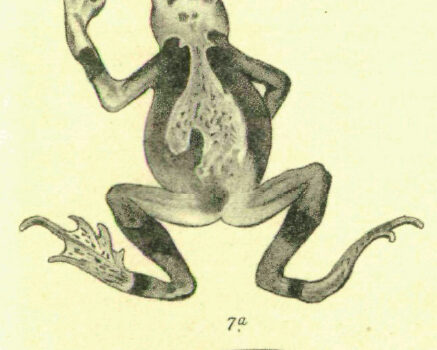
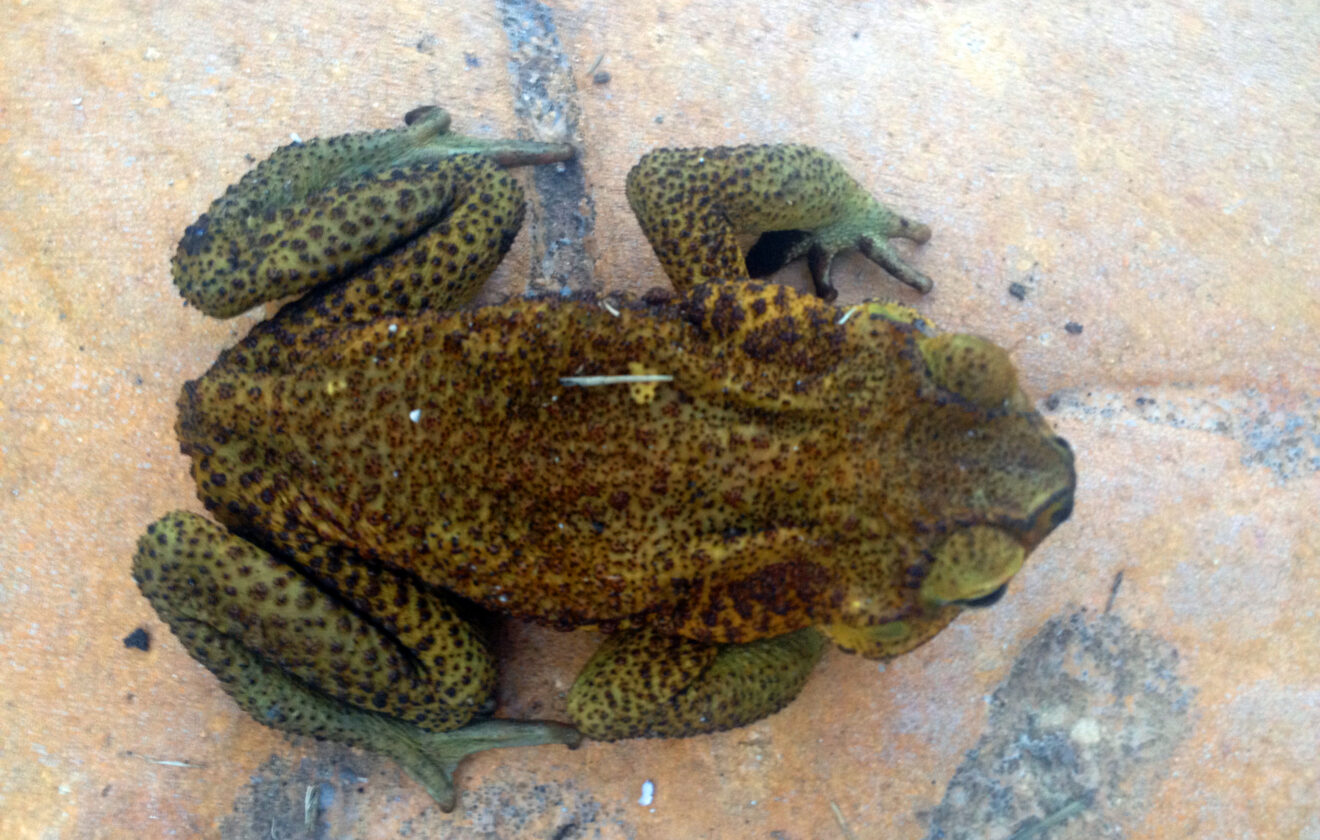
While undeniably possessing charm, the beauty of P. guentheri lies in its subtlety rather than ostentatiousness. Adults generally measure between 40 to 90 millimeters from the snout to the cloaca, with females typically exhibiting slightly larger body sizes than males—a trait common among amphibians. Their stout bodies reflect an earthy palette of brownish-gray, olive, or reddish hues, adorned with distinct, darker markings that effectively mimic the cryptic colors of their preferred environments.
The skin of Peltophryne guentheri carries fine wart-like projections, textured for camouflage rather than defense, enabling these cautious amphibians to blend seamlessly into leaf-littered understories. Their eyes, golden to copper in coloration, lend an aura of quiet dignity, remarkably effective during nocturnal activities such as hunting or mating.
Behavior and Life Cycle: Journeying through Amphibian Traditions#
Engulfed by twilight’s cool embrace, adult male Guenther’s Caribbean toads announce their presence with melodic yet assertive vocalizations. These calls, sounding like gentle yet rhythmic trills punctuating the humid night air, aim to attract receptive females and rival males alike to breeding grounds flooded by recent rains. This amphibian choir represents an intimate biological phenomenon integral to sustaining populations.
Breeding and Development#
Mating occurs seasonally, often correlated with rainy periods offering ephemeral freshwater pools suitable for laying gelatinous egg clusters. Females lay thousands of tiny eggs, each carefully encased within protective jelly. Tadpoles hatch within days, quickly embracing a fast-paced growth trajectory necessary to survive in temporary water bodies vulnerable to drying and predators. Development from egg to juvenile generally takes several weeks, with remarkable transformation witnessed at metamorphosis—tail absorption, limb growth, and rapid lung development marking profound evolutionary adaptations for terrestrial life.
Ecological Role: Essential Links in Cuba’s Biodiversity Web#
Amphibians such as Peltophryne guentheri embody powerful, pivotal roles within ecosystems—both predator and prey, connecting food webs intricately. Consuming a diverse diet primarily composed of insects, worms, and smaller invertebrates, they play important roles in controlling insect populations, thus helping maintain precious ecological equilibrium. These diligent toads filter local ecosystems from overabundant pests, indirectly safeguarding plant communities and overall habitat health.
Yet, their influence doesn’t end at predation; as abundant prey, they support populations of snakes, birds, and mammals within Cuba’s predator community. Their adaptable life cycles ensure continuous interactions, rendering them keystone amphibians denoting local environmental health. Understanding their population fluctuations is invaluable, offering keen-eyed naturalists valuable insight into Cuba’s ever-changing biodiversity.
Threats and Conservation Status: Protecting an Irreplaceable Treasure#
Like many globally distributed amphibians, P. guentheri faces increasingly alarming threats from habitat loss, urbanization, agriculture runoff, pollution, climate shifts, and invasive species. While the IUCN Red List classifies Peltophryne guentheri as Near Threatened, researchers warn without proactive intervention, this subtle emblem of Cuban amphibian diversity may slide toward more dire categories.
Protective Efforts and Awareness Programs#
Fortunately, dedicated conservation groups and passionate scientists work tirelessly on the island nation, conducting regular population assessments, monitoring wetland health, and restoring damaged forest ecosystems. Local education initiatives increasingly recognize amphibian importance, encouraging responsible agricultural practices, sustainable resource management, and careful urban planning essential to amphibian survival on this unique island.
Cultural and Scientific Significance: Echoes Beyond Ecology#
Though somewhat quiet in cultural prominence compared to more charismatic Cuban fauna, these modest amphibians subtly imbue local folklore narratives as enigmatic forest spirits or groundwater guardians—symbolic of environmental purity and stability. Additionally, their salamander-like adaptability and susceptibility to environmental changes place them at scientific research forefront, serving critical roles as environmental bioindicators to gauge the health and changes occurring within Cuban ecosystems.
Conclusion: Advocating for Amphibian Champions#
The gentle yet resilient existence of Peltophryne guentheri embodies the quiet wonder amphibians bring to the world. Through their cryptic secrets, intertwined ecologies, and subtle cultural symbolism, these modest Cuban toads remind us of nature’s vulnerability and interdependence. Each careful step we take toward protecting their fragile habitats contributes directly toward preserving Cuba’s rich biodiversity heritage.
By understanding, appreciating, and protecting amphibians such as Guenther’s Caribbean toad, we didn’t merely safeguard single species—we protect intricate communities and ecosystems. Let us strive together, spreading awareness, supporting conservationists’ tireless efforts, and exploring deeper connections within this delicate, beautifully balanced natural tapestry.