Peltophryne florentinoi: Discovering Cuba’s Little-Known Treasure of the Amphibian World#
The forests of Cuba shelter myriad wonders, hidden amidst the lush undergrowth and cloaked in shadowy refuge. Unbeknownst to many, among these hidden gems thrives a fascinating species, cloaked in subtle mystery: the Cuban frog known scientifically as Peltophryne florentinoi. As enchanting as it is elusive, this small toad carries immense ecological and scientific value, yet remains poorly known and underappreciated by the public at large.
Peltophryne florentinoi, a species defined by subtle beauty and curious behavior, sparks curiosity among amphibian enthusiasts and conservationists alike. Often overlooked due to its modest size and cryptic existence, few realize that this intriguing amphibian acts as a unique sentinel of ecosystem health, indicative of much broader environmental stories. Journey with us into the dense, humid forests of Cuba, as we uncover the hidden tales, extraordinary characteristics, and pressing conservation challenges of the mysterious Peltophryne florentinoi.
Taxonomy and Classification#
Peltophryne florentinoi resides within the diverse and widely distributed family Bufonidae—the true toads. Known for their dry skin and prominent parotoid glands capable of secreting mild toxins, Bufonidae is a family rich in ecological diversity. Within this family, Peltophryne, a genus known commonly as Caribbean toads, hosts several distinctive species restricted primarily to the Caribbean Islands.
The species name “florentinoi” honors Florentino García Montaña, who made significant contributions to the understanding of amphibians and reptiles on the island. Within its genus, close relatives such as Peltophryne empusa and Peltophryne peltocephala share similar habitats and behaviors, although subtle morphological differences distinguish florentinoi clearly from its congeners.
Natural Habitat#
The story of Peltophryne florentinoi is tightly woven into the verdant tapestry of Cuba’s forests. Native exclusively to specific regions within Cuba, especially concentrated in the pristine yet increasingly threatened regions of the eastern and central portions of the island, this species finds sanctuary within evergreen forests, humid woodlands, and moist karst formations.
Under the dense canopy, shielded from direct sunlight, these amphibians prefer damp, humid microhabitats near water sources such as clear, slow-moving streams or seepage areas. Often found sheltering amidst leaf litter, rocky crevices, or underneath fallen logs, Peltophryne florentinoi exemplifies a life adapted meticulously to moisture-rich, soft-soiled environments.
The complexity of Cuba’s karst ecosystems, with their limestone caves and subterranean waterways, offers optimal shelter and abundant refuge for this delicate species. The intricate nooks and crannies formed over millennia offer not only protection but ideal breeding sites and stable microclimates, ensuring the survival of finely adapted amphibians like this species.
Physical Characteristics#
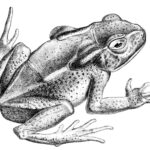
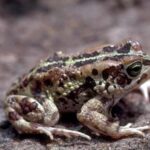
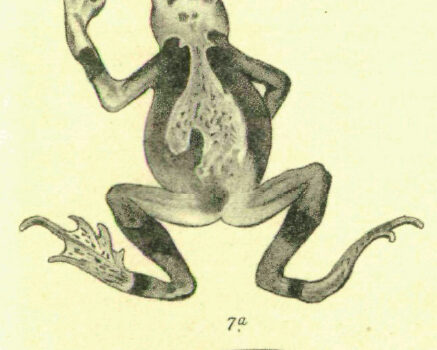
Peltophryne florentinoi stands out subtly amidst the leaf litter due to its earth-toned coloration—ranging from soft browns and olive-gray hues to gentle, mossy greens. Measuring approximately 40 to 55 millimeters at adulthood, its modest size contributes to its cryptic lifestyle, easily camouflaging itself amidst fallen leaves, soil, and debris.
A closer look reveals the signature granular skin texture typical of Bufonidae members. A rough, bumpy exterior dotted by minute glands helps the frog retain moisture, reducing water loss in the humid environment and maintaining a critical internal balance in a constant fight against desiccation.
Most notably perhaps is their visibly pronounced parotoid glands, situated behind the eyes, capable of secreting a defensive toxin effective against predators. Though not particularly dangerous to humans, the mild toxin sufficiently deters natural predators, allowing Peltophryne florentinoi to continue its secretive existence relatively unmolested.
Behavior and Life Cycle#
Diet and Foraging Habits#
Nocturnal by nature, the quiet Cuban evenings mark the awakening of Peltophryne florentinoi, prompting them into cautious activity. Their diet primarily encompasses various arthropods like tiny beetles, ants, spiders, termites, and occasionally small gastropods encountered as they hunt methodically across forest floors.
Breeding Habits and Reproduction#
Like many amphibians, rainy seasons bring forth the chorus of males, each emitting low, resonant vocal calls designed to attract females to their carefully selected spawning sites. Breeding typically occurs in shallow, slow-moving waters shaded beneath dense foliage. Females lay strings of gelatinous eggs, meticulously anchored to submerged vegetation or rocks. Following fertilization, eggs hatch into aquatic tadpoles which undergo dramatic transformations.
The larval cycle, spanning several weeks, culminates in metamorphosis into miniature versions of adult frogs—fully adapted for life on land but still connected intimately to water. This early stage marks a vulnerable yet fascinating period in the life of Peltophryne florentinoi, dependent on delicate balance and suitable aquatic habitats.
Unique Behaviors#
An intriguing adaptation of this species is its discrete daytime sheltering habit. Employing cryptic coloration and relying on immobility when disturbed, their first line of defense is avoidance rather than confrontation. Only when seriously threatened might they inflate their body slightly in a display gesture, simultaneously secreting mild toxins from their parotoid glands to discourage prolonged predator assault.
Ecological Role#
Peltophryne florentinoi plays a quiet yet crucial role in Cuba’s delicate ecosystems. As efficient insect predators, they assist in naturally regulating populations of forest-dwelling insects, controlling potential pests, and thereby helping maintain ecological balance within their forest habitat.
Moreover, their tadpoles serve as linkages in aquatic food webs, providing vital nutrition sources for fish and macroinvertebrates. Adult frogs themselves form important prey items for larger predators like birds, snakes, and small mammals, firmly embedded in broader ecological networks.
The health of amphibian populations like Peltophryne florentinoi also acts as an ecological indicator, reflecting broader environmental conditions. Sudden declines in their populations can caution scientists about underlying ecological issues, ranging from habitat degradation to pollution and climate fluctuations.
Threats and Conservation Status#
The delicate synergy inherent to Peltophryne florentinoi‘s existing populations faces increasing disruption. Though scientific knowledge on the exact population trends and distribution remains sparse, deforestation, habitat fragmentation, and anthropogenic pressures constitute real and rapidly escalating threats to its survival.
Beyond habitat loss, amphibians globally, including endemic species like Peltophryne florentinoi, remain vulnerable to diseases such as chytridiomycosis, climate-related changes in rainfall patterns and temperatures, and contamination of water sources from agricultural runoff and human settlement waste.
Presently, the IUCN lists Peltophryne florentinoi as Vulnerable, citing the limited distribution and increasing pressures as justification for immediate conservation attention. Actions including habitat preservation through protected areas, captive breeding and reintroduction programs, and educating locals about its role in ecosystem health constitute ongoing efforts to secure its long-term survival.
Cultural and Scientific Significance#
Though not widely represented in folklore or traditional beliefs, this species holds immense biological and scientific significance. Studying endemic amphibians like Peltophryne florentinoi advances our understanding of island biogeography, evolutionary adaptation, and ecological health dynamics.
Conclusion#
Hidden in the humid forests and shaded limestone caves of Cuba dwells a quiet jewel—a testament to evolutionary elegance and the delicate balance necessary for ecological survival. Peltophryne florentinoi endures silently, a species whose quiet existence demands our respect, curiosity, and active conservation commitment.
Exploring the life of this remarkable amphibian reminds us of the countless unnoticed species that collectively form the earth’s biodiversity fabric. Supporting efforts in knowledge gathering, habitat conservation, and ecosystem protection helps safeguard not only the remarkable Cuban toad but the wider environmental stability it symbolizes. Let us value and cherish the humble yet essential presence represented by Peltophryne florentinoi.