- Schismaderma branchi: Exploring the Secret Life of Africa's Unique Amphibian
Schismaderma branchi: Exploring the Secret Life of Africa’s Unique Amphibian#
The rhythmic symphony of amphibian calls after a tropical rainstorm is one of Africa’s great auditory marvels, but among this symphony, there exists a song that few hear—a quiet, elusive voice belonging to the captivating frog species Schismaderma branchi. Known more affectionately as Branch’s split-skin toad, Schismaderma branchi has inhabited quiet wetlands and grasslands of southeastern Africa for centuries, living discreetly beneath our notice.
This beautifully cryptic amphibian, classified within the family Bufonidae, presents a unique window into nature’s adaptability and delicate balance. Named after renowned herpetologist William Roy Branch, Schismaderma branchi remains a relatively understudied creature—yet it reveals critical insights into environmental health and conservation needs. Join us as we journey deep into the quiet domain of one of Africa’s most intriguing amphibians, exploring its distinctive habits, remarkable adaptations, and ecological importance.
Taxonomy and Classification#
Schismaderma branchi falls under a fascinating lineage, carefully classified by taxonomists within the amphibian world. The species belongs to:
- Kingdom: Animalia
- Phylum: Chordata
- Class: Amphibia
- Order: Anura
- Family: Bufonidae
- Genus: Schismaderma
- Species: Schismaderma branchi
This species is closely related to its better-known cousin, the ubiquitous red toad (Schismaderma carens), but distinct morphological and behavioral differences separate S. branchi, earning it its own unique niche in the ecosystem. Such distinctions underscore its evolutionary journey, shaped meticulously by the landscapes of Africa.
Natural Habitat#
Geographic Range and Distribution#
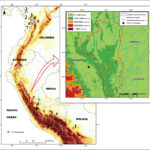
The elusive Schismaderma branchi resides predominantly in southeastern Africa, notably within southern Mozambique and parts of South Africa, including KwaZulu-Natal province. Here, amid gentle rolling plains, subtropical wetlands, and seasonal pools emerging after heavy rains, the species thrives in relative obscurity.
Preferred Habitat Conditions#
Branch’s split-skin toad is characteristically selective of its environment, frequenting grasslands punctuated by seasonal water bodies or slow-flowing streams surrounded by vegetation. Areas of moist, sandy soils, where burrowing is feasible, seem to attract this species. Such habitats provide both food security—through abundant insect prey—and shelter from potential predators.
Water remains central to their lifecycle, with temporary freshwater pools crucial for reproduction and tadpole development. As short-lived aquatic matrices, these pools offer a transient, vibrant ecosystem teeming with life, facilitating the amphibian’s fragile juvenile stage.
Physical Characteristics#
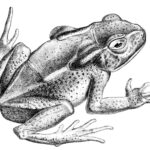
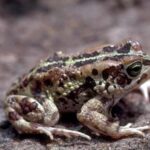
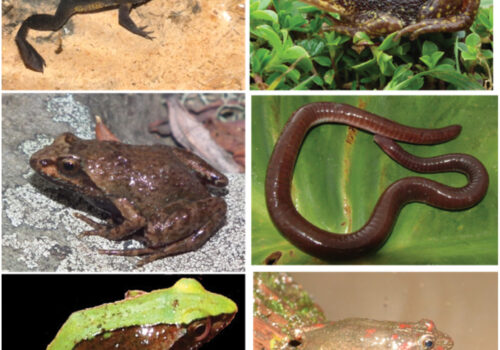
When first encountered, Schismaderma branchi reveals a subtle elegance finely tuned for survival in savanna and grassland habitats. Adults typically reach modest sizes of around 35–50 mm in length, making them small enough to hide effectively among blades of grass and leaf litter. Their bodies are robust, featuring the iconic compact shape characteristic of toads.
Coloration in S. branchi is highly adaptable, often reflecting their immediate environment. Adults commonly exhibit earthen hues of brown, olive, and russet, interspersed with intricate dark markings—patterns beautifully mirroring the dappled shadows of vegetation and soil. Their tough, granulated skin serves as a shield against dehydration and predators alike, while the “split-skin” feature from which they get their name—wrinkled, rugged skin textures—allows moisture retention during arid intervals.
Eyes, unmistakably large and brilliant, seem disproportionately expressive, shining like softly glowing amber gems during nighttime excursions. These bulging eyes grant the amphibians exceptional nocturnal vision—indispensable for a nocturnal creature reliant upon stealth and discerning hunting prowess.
Behavior and Life Cycle#
Diet and Feeding Habits#
A stealthy predator, Schismaderma branchi preys predominantly on insects and other small invertebrates. Employing patience and meticulous stillness, these frogs wait, immobile and vigilant, until a nearby insect unwittingly enters striking range; a flash of a sticky, powerful tongue seals the prey’s fate instantly. Crickets, beetles, termites, and moths constitute dietary staples, sustaining their energy needs efficiently amid their habitat’s abundant insect life.
Breeding Rituals and Reproductive Habits#
The onset of heavy rains marks a dramatic shift in behavior, triggering mass breeding migration toward ephemeral ponds and wetlands. Male S. branchi exhibit distinct mating calls—soft, reverberating croaks, subtly blending into the nighttime chorus of surrounding fauna. These auditory warnings and invitations ensure potential mates locate each other effectively among thick grasses and dense underbrush.
Once paired, females carefully deposit gelatinous egg masses into shallow pools, ensuring the offspring’s survival by selecting suitable, predator-conscious locations. The eggs rapidly hatch into agile tadpoles uniquely adapted for their temporary aquatic world, growing and transforming at remarkable speed. Within weeks, the tadpoles have metamorphosed into miniature adults, hurriedly venturing onto land to complete their rapid transition into terrestrial hunters. This frenzied early life cycle demonstrates nature’s calculated response to seasonal unpredictability.
Ecological Role#
Schismaderma branchi holds intrinsic ecological value as predator and prey, significantly influencing the delicate balance within their habitat. Their diet rich in insects positions them as natural regulators of insect populations, inherently controlling pest species while simultaneously fueling broader food webs.
Serving as prey for numerous predators like birds, snakes, and larger amphibians, they contribute substantially to biodiversity resilience. Their sensitivity to pollution and habitat degradation further highlights their importance as ecological sentinels or bio-indicators, alerting scientists to subtle shifts in environmental health.
Threats and Conservation Status#
Habitat Loss and Environmental Challenges#
Schismaderma branchi, although elusive, faces increasing threats with each passing decade. Habitat destruction—spurred by agricultural expansion, infrastructure developments, and urbanization—rapidly fragments available habitats, extinguishing vital breeding ponds and safe refuge sites. Pollution from pesticides and fertilizers increasingly contaminates waterways, jeopardizing tadpole survival rates and adult health.
Climate Change and Emerging Pressures#
Climate change exacerbates the species’ vulnerability, altering precipitation patterns on which the frogs depend for breeding. Extended drought periods or unpredictable rainfall renders survival and reproduction uncertain, posing significant long-term threats as the amphibians struggle to adapt swiftly enough to environmental shifts.
Currently, Schismaderma branchi is categorized as “Data Deficient” by the International Union for Conservation of Nature (IUCN), highlighting critical knowledge gaps in population dynamics. Conservation scientists advocate urgent research and monitoring initiatives to realistically assess population statuses and strategically implement necessary conservation actions.
Cultural and Scientific Significance#
Though less prominent in cultural folklore than more familiar amphibians, Schismaderma branchi nevertheless symbolizes resilience and adaptation to natural environmental cycles. Its subtle presence and ecological harmony echo important indigenous teachings—lessons of balance and interconnectedness.
Scientifically, this species provides vital contributions towards biodiversity studies, wetland ecosystem assessments, and the broader understanding of climate change impacts on sensitive amphibian populations. Protecting this species ultimately safeguards countless other organisms sharing its habitat, emphasizing conservation’s overall importance and interconnectedness.
Conclusion: Conserving Schismaderma branchi’s Unique Legacy#
Branch’s split-skin toad epitomizes the delicate beauty, resilience, and complexity hidden within Africa’s grasslands and wetlands. By raising awareness, supporting targeted research, and pursuing meaningful conservation actions, we ensure Schismaderma branchi will continue its vital ecological role, remaining one of Africa’s fascinating living secrets for generations to come.
Join us. Support amphibian conservation, educate others, and help protect the quiet symphony of Schismaderma branchi—one soft croak, hidden in Africa’s nighttime chorus, at a time.