- Introduction: Meet the Secretive Rhinella henseli
- Taxonomy and Classification
- Natural Habitat: The Secret Dwellings of Rhinella henseli
- Physical Characteristics: Master of Camouflage and Adaptation
- Behavior and Life Cycle: Intricate Rhythms of Forest Life
- Ecological Role: Guardians of Ecosystem Balance
- Threats and Conservation Status: Protecting Our Quiet Neighbors
- Cultural and Scientific Significance: Nature's Silent Messengers
- Conclusion: Cherishing Rhinella henseli and Its Indigenous Forest Realm
Introduction: Meet the Secretive Rhinella henseli#
Hidden beneath lush forest canopies and nestled among richly textured fallen leaves thrives a frog species whose modest stature belies its ecological significance and captivating behavior. Known scientifically as Rhinella henseli, this amphibian is an integral yet often unseen participant in its ecosystem’s delicate dance of life. Worthy of attention from nature enthusiasts and conservation advocates alike, this intriguing creature offers a glimpse into how evolution shapes life subtly yet powerfully.
Imagine a humid evening in the subtropical forests of southern Brazil, the air thick after a gentle rain shower. As dusk settles and shadows lengthen, a distinct, resonant call echoes through the misty understory—the telltale vocalization of the elusive Rhinella henseli. Though unassuming in appearance, the habits, adaptations, and ecological importance of this species provide valuable insights into the balance and biodiversity of the regions in which it resides.
Taxonomy and Classification#
Rhinella henseli, a member of the extensive Bufonidae family, finds itself grouped among the so-called “true toads.” However, what distinguishes this species spiritually from popular understanding of toads is its unique ecological niche and remarkable adaptive strategies. First described by scientists Lutz in 1934, Rhinella henseli was initially named Bufo henseli, until subsequent taxonomic refinements relocated the species into the genus Rhinella, reflecting a more nuanced appreciation of its evolutionary relationships.
The genus Rhinella contains a diverse assortment of species spread primarily throughout Middle and South America, each adapted specially to subtly different niches. Rhinella species are well recognized for their glandular skin, bufotoxins, and distinctive vocalizations. Rhinella henseli, however, boasts its own tailored adaptations and behaviors, making it an ideal subject for ecological and evolutionary studies.
Natural Habitat: The Secret Dwellings of Rhinella henseli#
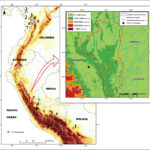
Rhinella henseli is firmly anchored within the Atlantic Forest biome, a lush, biodiversity-rich ecosystem stretching along Brazil’s Atlantic coastline. This vibrant habitat is home to an extraordinary variety of flora and fauna, hosting countless endemic species. Despite significant human interference, patches of untouched forest remain, offering sanctuary for the region’s uniquely adapted species, including this remarkable toad.
Rhinella henseli exhibits a distinct preference toward moist, subtropical forest floors and shaded stream edges. It thrives in leaf litter—nature’s tapestry of decomposing organic matter that intensely nourishes the soil and provides shelter for thousands of small organisms. Here, under layers of fallen leaves and rotting wood logs, the frog’s camouflage allows it to remain inconspicuous, avoiding the acute gaze of predators overhead and lending strength to its stealthy hunting tactics.
A Habitat Rich in Diversity#
Within the carefully balanced ecosystem of the Atlantic Forest, Rhinella henseli thrives among the plentiful niches that this biome provides. It believes strongly in concealment, using its earthy browns and greyish hues to blend seamlessly into shadows, slight depressions, and textured surfaces. Streams and temporary pools become particularly critical spaces during the breeding season, providing essential nursery areas for egg deposition and tadpole development.
This frog exemplifies a key principle in ecology—that each species has evolved specific adaptive traits enabling it to occupy a distinct ecological niche. Thus, understanding its habitat use contributes broadly to our understanding of ecosystem functioning and biodiversity stability.
Physical Characteristics: Master of Camouflage and Adaptation#
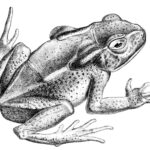
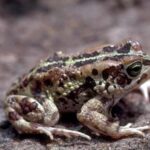
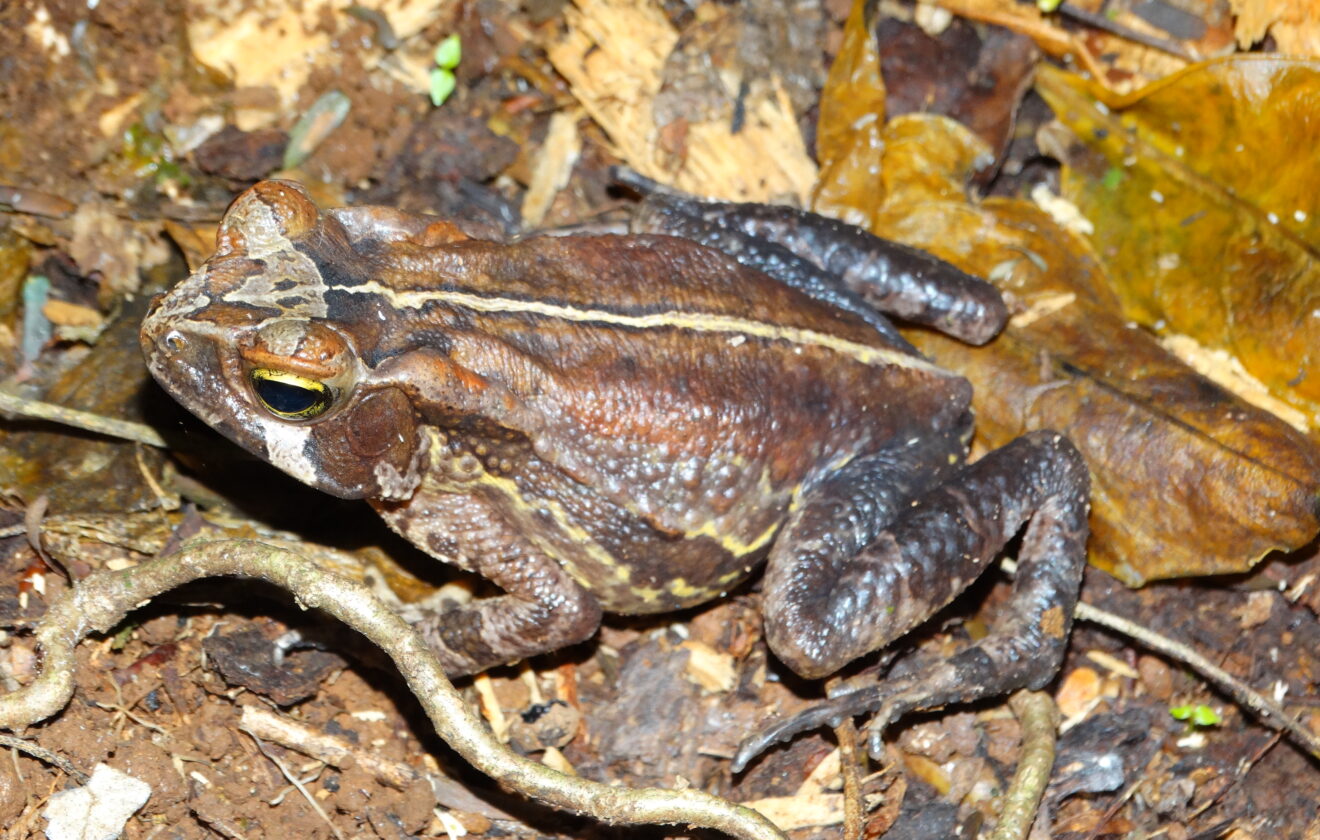
At first glance, Rhinella henseli may seem unimpressive, a small to medium-sized amphibian averaging between six to eight centimeters in length. Yet, closer scrutiny unveils sophisticated adaptations crafted beautifully by nature’s hand. The body, stout and robust, bears rugged, wart-like skin textures; small clusters of glands protrude subtly, capable of secreting mild toxins as defensive measures against inquisitive predators.
Its coloration is predominantly cryptic—grey to earthy shades such as olive or dark brown—mirroring the subdued colors of its woodland habitat. This effective camouflage is not merely aesthetics; it is fundamental to this toad’s survival strategy. Emblazoned subtly upon its mottled skin are faint stripes and dark markings, further disrupting the animal’s outlines and effectively merging form with background.
Adaptive Traits for Survival#
Beyond mere visual disguise, Rhinella henseli also exhibits functional anatomical features directly benefiting survival. Its muscular hind legs permit rapid, short bursts of hopping—ideal means of evasion in emergencies. Large, protruding eyes positioned strategically atop the head allow for widescreen vision, perfect for detecting encroaching threats or the slightest movement of potential prey items.
Together, these traits create a dynamic survival toolkit, proof of nature’s artistry and efficiency in evolutionary design.
Behavior and Life Cycle: Intricate Rhythms of Forest Life#
Rhinella henseli orchestrates a lifestyle intimately tuned to climatic cycles and forest dynamics. Primarily nocturnal, individuals emerge after twilight’s hush settles over the forest, seeking out their nutritional requirements. Small insects, spiders, worms, and arthropods form the primary dietary repertoire, neatly captured with swift, precise flicks of the frog’s sticky, projectile tongue.
Breeding Season Calling Cards#
When breeding season arrives, typically triggered by seasonal rains and heightened humidity, male Rhinella henseli become especially vocal. Their calls—which echo softly yet clearly through the moist evening air—function as announcements of male vitality and readiness, attracting females and warding off rivals. The choice of breeding site is critical, with females carefully selecting shallow, sheltered pools or slow streams where they deposit gelatinous egg masses.
Metamorphosis and Development#
From bundles of fragile transparent eggs emerge aquatic tadpoles—the early stage characterized by rapid swimming and dependence on microscopic algae and detritus. Over several weeks, these tadpoles undergo a truly miraculous process known as metamorphosis, gradually transforming, acquiring legs, reabsorbing their tails, and finalizing lung development. Eventually, juvenile frogs emerge onto land, miniature versions of adults ready to perpetuate the species’ cycle.
Ecological Role: Guardians of Ecosystem Balance#
Amphibians like Rhinella henseli serve as vital indicators of ecological health. Their permeable skin makes them highly sensitive to environmental changes, offering early warnings to ecosystem stressors. Rhinella henseli extensively participates in controlling pest insect populations, thus directly contributing to forest health and diversity. In return, the toads themselves form essential prey items for various predators, including birds, snakes, and even small mammals, integrating tightly into the forest food-web.
Threats and Conservation Status: Protecting Our Quiet Neighbors#
While not currently listed as critically endangered, Rhinella henseli faces mounting pressures primarily due to habitat loss and degradation of the Atlantic Forest, driven by agricultural expansion, urbanization, and infrastructure development. Climate change-induced alterations in seasonal rainfall patterns further compromise reproductive success, underscoring the urgency for conservation action.
Dedicated initiatives have emerged, emphasizing habitat protection, sustainable agriculture practices, and ecological research, designed specifically to preserve biodiversity and protect amphibians like Rhinella henseli from further decline.
Cultural and Scientific Significance: Nature’s Silent Messengers#
Although not widely embedded in cultural iconography, Rhinella henseli punches above its weight in scientific arenas. Research involving amphibians aids significantly in biomedical fields, environmental toxicology, and ecosystem management. Such studies underline how closely our well-being connects to this humble yet remarkable creature, placing stronger impetus on protecting their habitats and populations.
Conclusion: Cherishing Rhinella henseli and Its Indigenous Forest Realm#
As you observe the quiet, intricate lives unfolding along forest floors beneath Brazil’s subtropical canopy, Rhinella henseli represents not merely an amphibian curiosity but also embodies ecological resilience, evolutionary story, and profound interconnectedness. Protecting this species means safeguarding entire ecosystems and reinforcing our sacred duty as stewards of Earth’s incredible biodiversity. Embrace the marvels of amphibian life, deepen your understanding, and join collective efforts toward its conservation—help ensure the enchanting voice of Rhinella henseli continues to enrich our planet’s vibrant chorus of life.