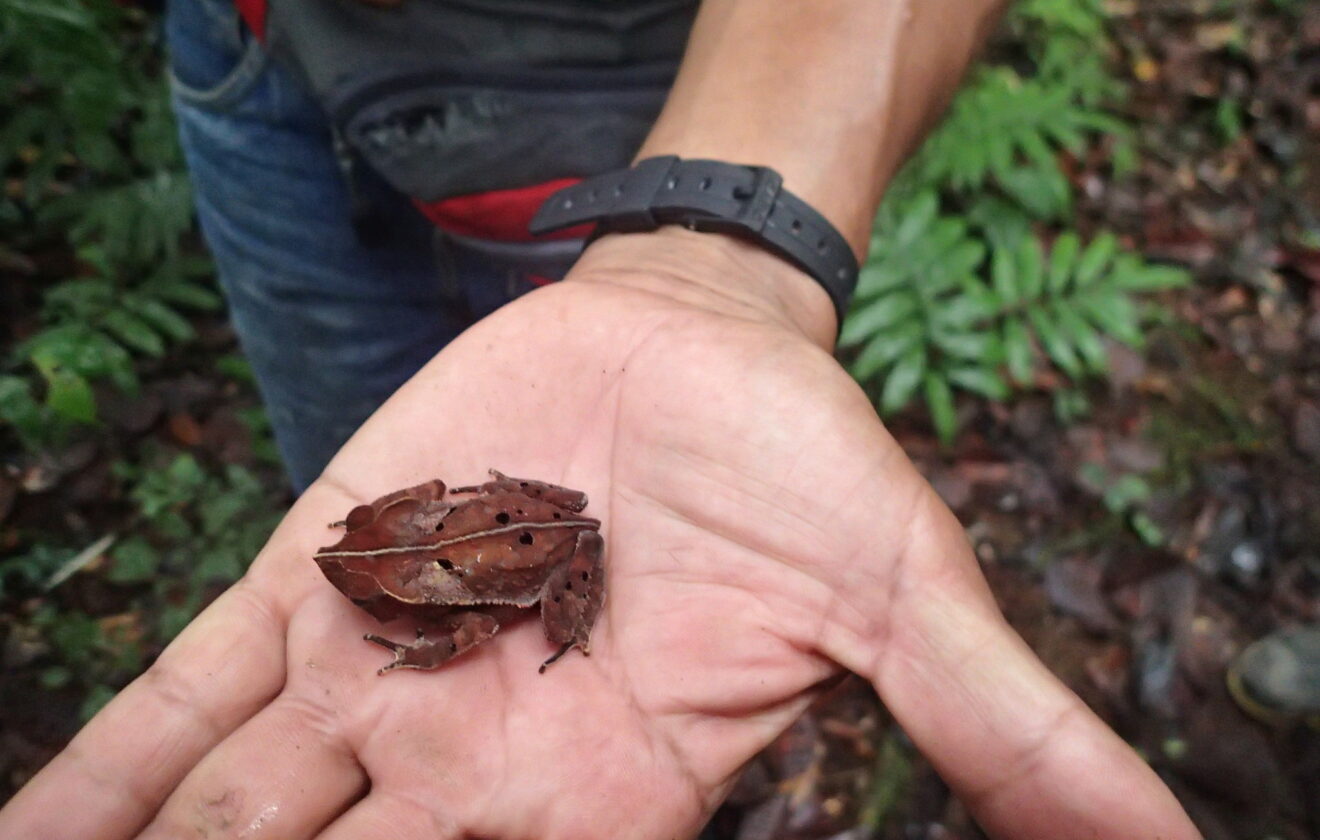
- Rhinella roqueana: Discovering the Enigmatic Frog of South America
- Taxonomy and Classification
- A Journey through Rhinella roqueana's Natural Habitat
- Physical Characteristics: Nature's Intricate Design
- Behavior and Life Cycle: The Quiet Existence of Rhinella roqueana
- An Essential Ecological Role
- Threats and Conservation: Ensuring Rhinella roqueana's Future
- Cultural and Scientific Significance
- Conclusion: A Call to Exploration & Conservation
Rhinella roqueana: Discovering the Enigmatic Frog of South America#
Hidden amid the tangled roots, moist leaf litter, and softly murmuring streams of tropical South America lives a frog that many nature enthusiasts may never have heard of. Small but remarkable, Rhinella roqueana—a species within the diverse Bufonidae family—offers researchers and curious observers alike a glimpse into evolutionary sophistication and ecological adaptation at its finest. This unassuming amphibian, scientifically known as Rhinella roqueana, exists quietly among some of the world’s most biologically rich ecosystems, and yet its story remains insufficiently told. Let’s embark on a journey into the world of this charmingly elusive frog and uncover the fascinating details behind its existence, behavior, ecological role, and ongoing conservation story.
Taxonomy and Classification#
Rhinella roqueana belongs to the vast family Bufonidae, commonly known as “true toads.” Within this family, the genus Rhinella itself represents a lineage primarily distributed through Central and South America, flourishing in varied ecological conditions from dry shrublands to lush rainforest biomes. Though historically categorized under the expansive genus Bufo, scientific analyses based on genetic sequencing and morphology have since reorganized this species into the distinctively South American genus Rhinella.
Rhinella roqueana shares close evolutionary relationships with several neighbor species, like Rhinella granulosa and Rhinella marina, better known as the cane toad. Despite family similarities, however, it holds unique ecological and morphological traits that distinguish it from its relatives, inviting us to explore it more deeply as a fascinating case of biodiversity differentiation.
A Journey through Rhinella roqueana’s Natural Habitat#
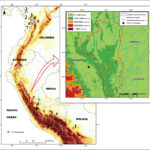
To truly appreciate Rhinella roqueana, we must journey to its native habitats spanning primarily across regions within Brazil and parts of neighboring South American countries. Imagine traversing the terrain of dense, humid lowland forests, feeling the air grow progressively thicker, carrying scents of decaying leaves and fresh vegetation. It is here, nestled between leaf litter and beneath fallen logs, that this elusive amphibian thrives.
R. roqueana demonstrates remarkable adaptability, inhabiting subtropical or tropical dry forests, moist deciduous forests, gallery forests along river edges, and occasionally extending into grassland margins with sufficient moisture. Its propensity for moisture-rich microhabitats—particularly where humidity remains consistently high and temperature fluctuations are moderate—enables its skin to remain adequately hydrated, a necessity for amphibian respiratory and hormonal functions.
A Delicate Microhabitat Specialist#
Unlike more cosmopolitan amphibians, Rhinella roqueana shows specificity in habitat selection, preferring areas rich in leaf litter and moderate leaf coverage that provide protection from predators and harsh weather extremes. Through centuries of coevolution and adaptation, this amphibian has become expertly attuned to its microhabitats, developing physiological adaptations suited to environments that maintain stable climatic conditions and steady moisture levels throughout the year.
An attentive observer can spot these frogs nestled quietly amid the litter layer, their mottled skin perfectly camouflaging with the varied hues of leaf decay, mineral-rich soil, and fungi—providing not merely concealment, but a strategic advantage for predation and evasion alike.
Physical Characteristics: Nature’s Intricate Design#
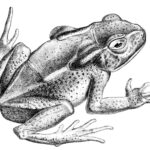
At first glance, Rhinella roqueana presents a modest stature, measuring approximately 30 to 50 millimeters in adult size. Despite their small dimensions, these frogs exhibit a complex and intricate array of features fascinating to biologists and nature enthusiasts alike. The smooth to granular texture of their skin stands testament to millions of years of natural selection, presenting an ideal balance between protection against environmental elements and sensitive respiratory exchange.
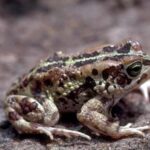
Its coloration, ranging from shades of earthy browns, grays, and greens, broken by darker mottled patterns, demonstrates remarkable camouflage, making it an adept inhabitant of leaf litter and detritus-covered forest floors. Brightly colored patches or highlights, common in other frog species, are notably absent—instead, its discrete earth-tone coloration helps it remain virtually invisible to potential predators and unsuspecting prey alike, reinforcing its edge within its forest-floor domain.
Adaptations for Survival#
Of particular interest are Rhinella roqueana’s powerful hind legs, which facilitate quick, short-distance leaps, often into systematically chosen hiding spots. The compactness of its body ensures energy conservation and fast, stealthy movements—a hallmark strategy among smaller terrestrial amphibians. Moreover, its skin glands secrete subtle chemical substances, offering a primary line of defense against microbes and predators sensitive to these deterrents, a fascinating natural armor against the myriad threats of their diverse environment.
Behavior and Life Cycle: The Quiet Existence of Rhinella roqueana#
R. roqueana faces a variety of challenges and demands in its environment, chiefly met through a fascinating series of behavioral and physiological adaptations. Primarily nocturnal with high periods of activity coinciding with humidity peaks, these amphibians demonstrate intriguing behavior patterns strongly driven by their environmental cues.
Feeding Habits and Predation Techniques#
Emerging from their hidden shelters in twilight hours, Rhinella roqueana primarily preys on small invertebrates, including insects such as ants, beetles, termites, and arachnids. Equipped with excellent vision adapted to low-light conditions, these frogs employ the classic “sit-and-wait” predation strategy. Patiently positioned beneath the shadowy cover of overhanging foliage or among leaf-litter crevices, they remain statue-like, invisible to unsuspecting prey. A swift snap of their sticky tongue secures their nightly meal, completing a purely instinctual act perfected through evolutionary time.
The Intricacies of Reproductive Behavior#
Like many amphibians, Rhinella roqueana utilizes seasonal reproductive strategies closely associated with rainfall and environmental humidity levels, ideal conditions for safeguarding the viability of eggs and tadpole survival. Its distinctive breeding calls—subtle croaks resonating gently through twilight air—act as acoustic signals guiding mates toward temporary breeding pools.
Females deposit strings of gelatinous eggs within shallow pools or slow-moving streams, often hidden beneath fallen leaves or vegetation. The embryos quickly hatch into free-swimming, herbivorous tadpoles that undergo several weeks of rapid growth, transitioning gradually through remarkable metamorphosis stages that culminate in juvenile frogs fully adapted for terrestrial life. Observing this remarkable transformation underscores the profound ecological importance and complexity inherent in the species’ life cycle.
An Essential Ecological Role#
Amphibians such as Rhinella roqueana serve as crucial cornerstones within their ecosystems. Acting simultaneously as efficient insect predators and prey for larger predators—birds, mammals, snakes, and larger amphibians—they sustain delicate ecological balances and positively influence forest health.
Moreover, their permeable skins make them highly sensitive to subtle environmental shifts or pollutants, often enabling conservationists and environmental scientists to use them as bioindicators. A robust and healthy population of Rhinella roqueana indicates good environmental quality, signaling ecosystem integrity and biodiversity conservation success within protected habitats.
Threats and Conservation: Ensuring Rhinella roqueana’s Future#
Despite their resilience and adaptive ingenuity, Rhinella roqueana faces mounting risks linked primarily to habitat destruction, deforestation, and habitat fragmentation due to expanding agriculture, logging, and human settlement growth. Such threats place continuous pressures upon this amphibian, diminishing suitable territories and causing declines in their populations throughout many areas of their historical range.
Currently, Rhinella roqueana is listed by the International Union for Conservation of Nature (IUCN) as a species of “Least Concern,” but ongoing habitat destruction and climate change impacts—such as altered rainfall patterns and humidity levels critical for breeding success—underscore a pressing need to maintain awareness and proactive conservation strategies. Directions for future preservation include habitat protection, sustainable land-use practices, reforestation projects, and continuous monitoring initiatives aimed at conserving viable populations within their natural ranges.
Cultural and Scientific Significance#
Beyond ecological roles, Rhinella roqueana holds cultural significance in various indigenous South American communities, who have traditionally viewed amphibians as symbols of fertility, renewal, and adaptation. On the scientific stage, amphibian species such as Rhinella roqueana offer research insights into behavioral ecology, toxicology, and environmental health signals, positioning them as ambassadors for conservation messaging within scientific circles and broader communities.
Conclusion: A Call to Exploration & Conservation#
The humble Rhinella roqueana reminds us powerfully of nature’s subtle complexity, emphasizing the integral importance of every species—however modest or little-known. To embrace its story is to acknowledge an expansive ecological narrative of interconnectivity, adaptation, and conservation urgency. Let us continue examining and protecting this enchanting amphibian, uncovering ever more knowledge and inspiration hidden in the leaf litter and forest shades where it quietly thrives.