Sclerophrys urunguensis: A Journey into the Life of the Urungu Toad#
Hidden amidst the lush grasslands, flooded marshes, and scattered wetlands of East Africa, lives a creature rarely celebrated: the Urungu toad. Scientifically recognized as Sclerophrys urunguensis, this modest amphibian may slip unnoticed to the casual observer’s eye, but its vibrant existence symbolizes nature’s elegant, subtle complexity. While lions and elephants often claim the spotlight in the rich ecosystems of the African continent, it is creatures like this vividly patterned toad, quietly thriving in delicate ecosystems, that equally deserve our attention and admiration.
The Urungu toad, named after the regions it inhabits around Lake Rukwa in Tanzania and adjacent areas, remains enigmatic, rarely featured in glossy wildlife documentaries or conservation posters. Yet, the ecological niche occupied by Sclerophrys urunguensis offers us valuable insights into habitat preservation, the dynamics of wetland ecosystems, and the broader importance of amphibian conservation. As we journey through its secretive life, you’ll discover that despite being inconspicuous or overlooked, this charming amphibian is integral to the ecosystem it inhabits, deserving not only acknowledgement but committed conservation action.
Taxonomy and Classification#
Belonging to the family Bufonidae, known familiarly as “true toads,” Sclerophrys urunguensis is part of a group that has adapted widely across diverse habitats worldwide. Within the genus Sclerophrys, it shares family ties with an assortment of African toads, many known for their innate resilience and adaptability to changing environmental conditions. Officially described by Loveridge in 1932, the species initially appeared in scientific literature under the genus Bufo, a classic grouping to which all toads once belonged. However, with molecular studies revolutionizing herpetological classification, it was transferred to the genus Sclerophrys, reflecting our evolving understanding of biodiversity and amphibian genetics.
Its closest relatives, such as Sclerophrys regularis (regular toad) and Sclerophrys gutturalis (guttural toad), share not only family lineage but similar habitats and ecological roles, highlighting interconnected evolutionary paths and subtle differences that attest to its distinctive niche.
Natural Habitat and Distribution#
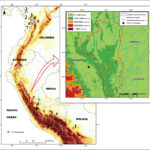
At home within East Africa’s humid wetlands and floodplains surrounding Lake Rukwa, the Urungu toad thrives in seasonal marshes, wet grasslands, swamps, and areas experiencing cyclical inundation. Its geographical range predominantly includes specialized locales in southwestern Tanzania, eastern Zambia, and Malawi, particularly around the expansive Urungu and Rukwa floodplains, which inspired the species’ evocative scientific epithet.
These ecosystems—dotted by reed beds, shallow marsh pools, and scattered shrubs—create a tapestry of ideal conditions essential for amphibian life. The slow-moving waters teem with insects and larvae, providing a rich, readily available source of food for juveniles and mature adults alike. The region’s climatic characteristics—marked by clearly delineated wet and dry seasons—are crucial in establishing the timing of the Urungu toad’s breeding activities.
When heavy rainfall replenishes marshlands during the rainy season, the soft, sodden earth comes alive with the pulsating calls of amorous males, responding to the ancient rhythm of floods and droughts that define East African wetlands. This unique linkage between seasonality and breeding ensures a synchronization both delicate and remarkable—an enchanting ecological waltz choreographed by nature.
Physical Characteristics and Adaptations#
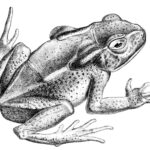
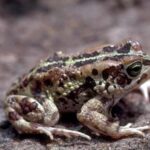
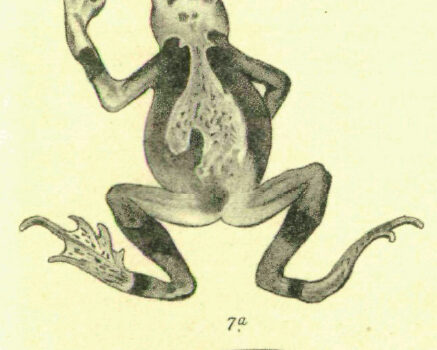
Subtle yet beautiful in appearance, the Urungu toad is an emblematic representation of life’s humble artistry. Adults typically measure around four to six centimeters in length, their squat, robust bodies characteristic of true toads. One quickly notices their evocative coloration: earth-toned hues of olive-grey, deep brown, and sandy beige, harmonically interwoven to produce patterns that perfectly mimic the damp soils and leaf litter of their surroundings.
A closer look reveals the marvel of adaptation inherent in this quiet creature: wart-like glands scatter along its back and sides, assisting in camouflage. These glands produce mild toxins—a characteristic defense mechanism common to Bufonids—ensuring the toad remains less appealing to potential predators like birds, reptiles, and small mammals.
Their eyes, coppery-gold flecked with darker undertones, peer cautiously from beneath heavy eyelids, an adaptation evolved to withstand harsh sunlight and maintain vision clarity in muddy or murky waters. Strong, muscular hind limbs support mobility on moist terrain and help execute rapid leaps, essential in evading opportunistic predators swiftly.
Behavior and Life Cycle#
In the mud-splattered twilight hours following rains, communities of Urungu toads come alive with vibrant activity. Males congregate in temporary pools, marshes, and shallow wetlands, issuing a resonant, melodic chorus symbolizing the arrival of the breeding season. Each male positions strategically, claiming miniature territories from which to serenade potential mates, simultaneously establishing dominance among nearby rivals.
Their calls, a distinctive sequence of warbles interspersed with rhythmic trills, resound through humid evenings, punctuating the wetland’s nocturnal symphony alongside chirping insects, croaking frogs, and whispering reeds.
Female Urungu toads, answering this hypnotic chorus, are selective, guided instinctively towards males whose calls exhibit robust health and vigor. Once mated, females lay gelatinous strands filled with thousands of eggs, delicately spread through submerged vegetation. Within days, black-speckled tadpoles emerge, beginning journeys defined by survival, growth, and timely transformation. Tadpoles primarily graze aquatic algae, slowly maturing in nutrient-rich pools, rapidly metamorphosing into juvenile toads eager to continue the life cycle of ancestral generations.
Ecological Role: Guardians of Wetlands#
Beyond their fascinating natural histories, Urungu toads play essential ecological roles as predators and prey, forming integral pieces of their biome. Adult toads regulate insect and invertebrate populations, maintaining ecological balance by consuming mosquitoes, flies, beetles, and other insects potentially problematic for agricultural interests or human health.
As prey species, Urungu toads provide vital sustenance to larger animals. Birds, snakes, and mammals within wetland ecosystems depend partially on amphibians for food, indicating that shifts in toad populations resonate through the wider food web, affecting ecosystem stability directly.
Moreover, amphibians like Sclerophrys urunguensis function as bioindicators, sensitive to habitat degradation, pollution, and climate shifts. Their presence or absence can forewarn of harmful environmental conditions long before humans detect apparent symptoms, providing invaluable ecological intelligence and assisting conservationists’ strategies to identify and mitigate threats.
Threats and Conservation Status#
Despite their adaptive versatility, Urungu toads face substantial ecological threats. Currently classified as Least Concern on the IUCN Red List—primarily due to its expansive habitat—this status belies nuanced challenges confronting amphibians everywhere.
Habitat degradation looms as the gravest danger, threatening vital wetlands across its range. Agricultural expansion, unsustainable grazing by livestock, and invasive plant species all contribute to habitat fragmentation and loss. Additionally, pesticide runoff and water pollution degrade essential breeding pools, endangering tadpole development and negatively impacting population dynamics.
Furthermore, climate change dramatically alters seasonal rainfall patterns—the fundamental ecological clock guiding Urungu toads’ breeding cycles—potentially disrupting reproductive behaviors, diminishing population resilience, and exacerbating vulnerability.
Cultural and Scientific Significance#
While the Urungu toad is not a central figure in traditional folklore compared to larger, charismatic species, local communities increasingly recognize its ecological value. The species symbolizes wetland health and enduring wilderness, becoming concurrently symbolic for conservation organizations championing wetland habitat preservation.
Scientifically, studying this amphibian contributes essential insights into larger issues affecting amphibians worldwide, notably disease susceptibility, habitat tolerance thresholds, and response mechanisms to environmental changes. Research possibilities remain open and hopeful, as Sclerophrys urunguensis could assist scientists to better understand environmental change’s effects on amphibians generally, informing future conservation policy.
Conclusion: Guardianship Through Understanding#
The quiet existence of Sclerophrys urunguensis, the humble Urungu toad dwelling across East Africa’s wetlands, illuminates nature’s subtle, intricate beauty. By delving deeper into their story, we come to understand that effective wildlife stewardship involves revering not only the charismatic megafauna but also safeguarding smaller, often concealed species, integral to complex ecosystems.
Ultimately, protecting the Urungu toad goes beyond preserving wildlife powerfully; it safeguards rich biodiversity, maintains wetlands necessary for countless other species—and ourselves—and celebrates life’s delicate balance. Let us commit to deeper admiration and increased conservation efforts, driven by curiosity, passion, and care, ensuring these marvelous amphibians continue their hidden chorus for generations to come.