Sclerophrys vittata: Exploring the Fascinating Life of the African Forest Toad#
In the misty, verdant depths of Africa’s tropical forests, where vines weave intricate curtains beneath towering trees, and leaf litter crackles beneath footfalls, lives a creature both unassuming and profoundly intriguing—Sclerophrys vittata. Commonly known as the African Forest Toad or Banded Toad, this amphibian harbors secrets that not only captivate naturalists but help illuminate vital truths about our rapidly changing ecosystems.
While frogs and toads are often overlooked in favor of more charismatic wildlife, Sclerophrys vittata reminds us that even the humblest creature plays a crucial role in nature’s symphony. Named for the distinctive stripes running along its flanks—”vittata” meaning “banded”—this species offers a fascinating glimpse into amphibian adaptation and the interconnectedness of forest ecosystems. Join us as we embark on a journey deep into the rainforests and savannah-forest mosaics, unraveling the natural history, captivating behaviors, and conservation significance of Sclerophrys vittata.
Taxonomy and Classification#
Sclerophrys vittata, previously classified under the genus Bufo, belongs to the Bufonidae family, known commonly as “true toads.” After comprehensive taxonomic revisions guided by molecular genetics, researchers placed this species into the recently revived genus Sclerophrys. This reclassification not only provided more accurate insights into the evolutionary narrative of these amphibians but also helps conservationists refine protective measures based on lineage.
Closely related species within the genus include notable African toads such as Sclerophrys regularis and Sclerophrys camerunensis. Understanding these familial relationships illuminates the evolutionary strategies—the physiological and behavioral tools these creatures developed to thrive in specific ecological niches.
Natural Habitat and Distribution#
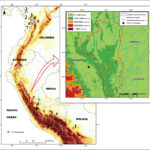
The realm of Sclerophrys vittata stretches across the equatorial landscapes of Central and West Africa. Populations occur in a broad yet scattered range, encompassing forests and savannas in countries such as Cameroon, Equatorial Guinea, Nigeria, and Gabon. Within these vibrant tropical expanses, it prefers forest edges, secondary forests recovering from human disturbance, moist lowland woodlands, and streamside vegetation, creating a mosaic of habitats in which this toad flourishes.
Walking through these woods, one notices dense understory vegetation brimming with ferns, orchids, and climbing plants, providing perfect shelter from predators and harsh climate extremes. Humid micro-climates and abundant leaf litter that promise copious insect life make the forest floor an ideal hunting ground. Studies show that Sclerophrys vittata selectively inhabits areas close to water sources—temporary pools, streams, and marshes—critical to their reproductive strategies and the survival of their aquatic larvae.
Physical Characteristics and Adaptations#
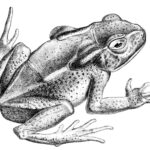
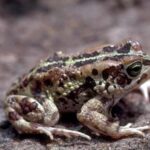
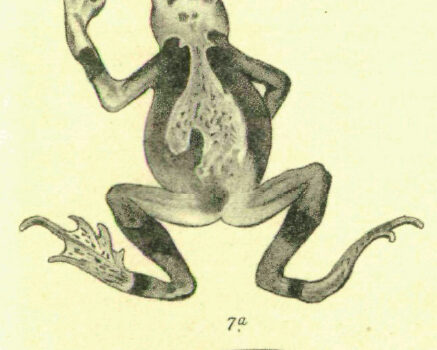
The African Forest Toad is modestly sized, typically measuring between 40 to 60 millimeters, with females generally larger than males. Its physical form elegantly demonstrates adaptation; a compact body adorned with numerous, wart-like glands secretes protective toxins, deterring predators and microbial infections alike. Though harmless to humans with regular handling precautions, these secretions represent chemical defenses developed over millions of years of evolutionary pressure.
The species’ distinctive markings—its namesake banding—are more than merely aesthetic. Prominent stripes traversing its sides and limbs provide effective camouflage among patches of shadow and sunlight dappling the forest floor. Soft browns, greens, and muted yellows blend seamlessly with leaf litter, tree roots, and moss-covered stones, rendering individuals nearly invisible to potential threats.
Eyes, large and copper-toned flecked with gold, are adapted superbly for nocturnal or crepuscular living, detecting faint movements of prey and predators alike in the forest’s subdued twilight. Meanwhile, powerful hind limbs, well adapted for short leaps and rapid hopping, allow swift escape when camouflage alone cannot offer protection.
Behavior and Life Cycle#
Feeding Habits#
Sclerophrys vittata, like many species within Bufonidae, is primarily insectivorous. Nightfall unleashes the species’ hunting prowess. Under the moon’s gentle glow filtering through the canopy, the toad emerges from its daytime hiding places beneath logs, leaf cover, or shallow burrows to feast on beetles, ants, termites, and other small invertebrates. Using rapid tongue reflexes, it deftly seizes prey with breathtaking speed and accuracy, showcasing skill honed by thousands of years of evolutionary fine-tuning.
Mating and Reproductive Behavior#
As the rainy season saturates soils, replenishes ephemeral ponds, and cues synchronous breeding events, the forests resound with the rhythmic chorus of male toads, each singing to attract females with resonant, repetitive calls. Males gather around suitable water bodies, often jostling for territory on prime spawning sites. Females approach, receptive to the serenades, carefully selecting mates in a richly choreographed dance that underscores species fitness.
Copulation occurs through external fertilization known as amplexus, wherein the male clasps the female firmly, fertilizing egg clutches she deposits directly into water. Fertilized eggs are laid in long gelatinous strings adhered to submerged vegetation, hidden among plant stems to safeguard them against predation by fish, insects, and other aquatic fauna.
Tadpole development is rapid, accommodating temporary pools that dry quickly. Larvae feed voraciously on algae and organic detritus, growing swiftly into tiny toadlets that migrate cautiously onto land, initiating the cycle anew. This swift life cycle is essential for survival in transient habitats, where the margin between life and death hinges upon speed and adaptability.
Ecological Importance#
Sclerophrys vittata serves as both predator and prey, anchoring the delicate web of trophic interactions seen within African rainforests and savannahs. Preying heavily upon insects, this species helps control pests naturally, playing an underappreciated role in maintaining ecosystem balance. Its tadpoles contribute to nutrient cycling within aquatic habitats, keeping algae growth in check and providing nourishment to other wildlife.
Conversely, adult toads serve as essential dietary items for larger predators including snakes, birds, and mammals. Their presence indicates healthy ecosystems as amphibians are renowned biological indicators sensitive to habitat degradation, pollution, and climate perturbations.
Conservation Status and Threats#
While presently categorized as Least Concern by the International Union for Conservation of Nature (IUCN), Sclerophrys vittata does face regional threats. Rapid deforestation, habitat fragmentation due to agricultural expansion, logging, and mining activities, coupled with pollution and climate change, pose increasing threats. Fungus infections like chytridiomycosis could further endanger isolated populations, compounding conservation concerns.
Active scientific monitoring, habitat preservation programs, and amphibian conservation initiatives within Africa aim to reduce threats, ensuring this exceptional species continues to inhabit its ecological niche securely.
Cultural and Scientific Significance#
Local communities often associate toads like Sclerophrys vittata with rainfall and fertility due to their seasonal emergence and breeding behavior after rains. Furthermore, indigenous medicinal knowledge occasionally references amphibians for reputed healing properties, although scientific validation remains elusive.
From a scientific perspective, this species serves researchers as a biological sentinel, offering early warnings about environmental threats. Understanding its defenses, life-cycle adaptations, and habitat requirements deliver insights critical for protecting not only amphibians but countless connected species.
Conclusion: A Plea for the Humble Toad#
Sclerophrys vittata may not yet rank among celebrated wildlife icons, but within forests filled with dazzling diversity and complexity, its story exemplifies nature’s beauty in quiet resilience and ecological harmony. As climate change and habitat destruction threaten biodiversity globally, protecting even modest creatures becomes imperative.
Your interest in learning about the African Forest Toad stands as testament to its intrinsic value. We invite you to deepen your understanding, support conservation efforts, or simply share the story of this extraordinary yet humble amphibian. Together, let’s ensure Sclerophrys vittata‘s rhythmic calls continue to enchant forest nights for many generations to come.