- Sclerophrys pantherina: A Journey into the World of the Endangered Western Leopard Toad
Sclerophrys pantherina: A Journey into the World of the Endangered Western Leopard Toad#
On cool, rainy nights along South Africa’s coastal wetlands and suburban fringes, a remarkable amphibian emerges from hiding. With intricate patterns resembling the stealthy grace of a leopard, the Western Leopard Toad, known scientifically as Sclerophrys pantherina, begins its nocturnal symphony, weaving itself into the rich tapestry of its natural habitat. This species is not merely an elegant dancer beneath the moonlight; it is also a potent ecological indicator, guiding conservationists as they navigate the challenges that threaten its very existence.
Yet, despite its charismatic appearance and ecological significance, the Western Leopard Toad faces increasing threats, with urbanization, pollution, invasive species, and climate change all playing their part. Understanding and appreciating this exceptional amphibian has never been more crucial. In exploring its world, we uncover the delicate balance that maintains ecosystems alive with life and diversity.
Taxonomy and Classification#
The Western Leopard Toad belongs to the Bufonidae family, a globally widespread group of amphibians more commonly known as true toads. This family contains species adapted to a wide range of habitats, each with distinct survival strategies and morphologies. Within the family Bufonidae, Sclerophrys pantherina resides in the genus Sclerophrys, a group predominantly found in sub-Saharan Africa.
Originally classified within the genus Bufo, the leopard toads were reclassified into Amietophrynus following taxonomic studies and later transitioned into Sclerophrys due to more thorough genetic analyses. Sclerophrys pantherina is closely related to another endangered South African toad species, Sclerophrys pardalis, yet remains distinct through subtle differences in its distribution, marking patterns, vocalization, and ecological niche.
Natural Habitat#
A Coastal Life in Southwestern South Africa#
The Western Leopard Toad occupies a narrow yet ecologically vital band along South Africa’s southwestern coast—a range restricted mostly to the coastal lowlands stretching from the Cape Peninsula to Stanford. Here, this species inhabits diverse environments, including fynbos-lined streams, marshy lowlands, suburban gardens and parks, wetlands, and slow-moving freshwater bodies essential for breeding.
Within its chosen habitats, Sclerophrys pantherina favors areas with dense foliage offering ample moisture, refuge, and rich insect populations. These habitats not only provide the ideal breeding grounds, composed of shallow pools and marshy fluctuating wetlands, but also support the toads during their periods of terrestrial wandering when not breeding.
During the dry summer months, these amphibians can be remarkably elusive, sheltering beneath logs, leaf litter, and in underground burrows. Their extraordinary adaptability has allowed them to exploit suburban landscapes, gardens, and parks, thriving amongst ornamental plants, irrigation systems, and even drainage ditches. However, their close proximity to human development has become a double-edged sword, making them vulnerable to various anthropogenic threats.
Physical Characteristics#
The Striking Beauty of Spots and Patterns#
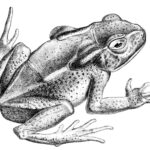
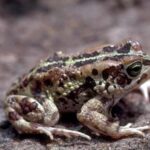
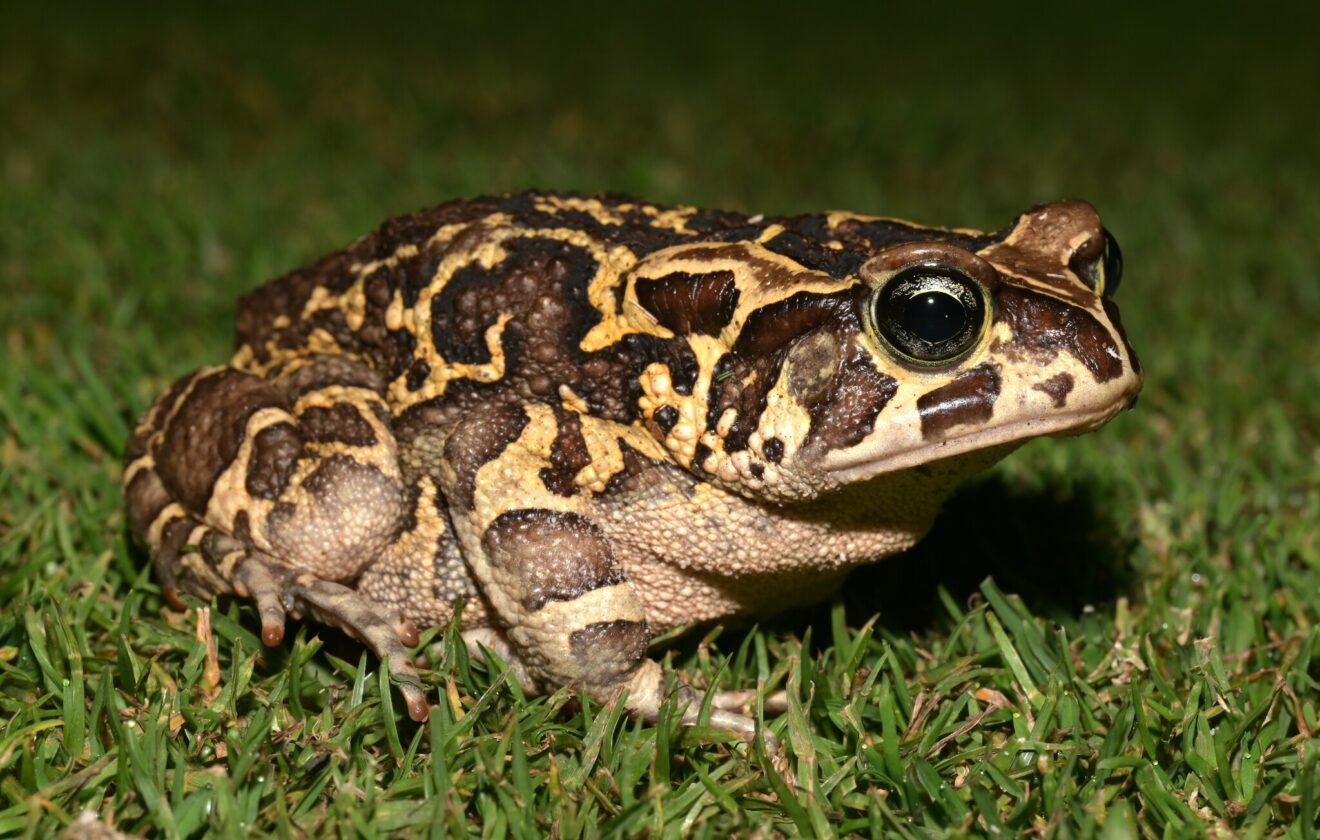
Sclerophrys pantherina is celebrated amongst nature enthusiasts for its strikingly beautiful pattern, which gives the species its common name. Adults typically measure roughly 55 to 105 millimeters, with females often significantly larger than males. Their bodies are robust and stocky, supported by sturdy limbs adapted perfectly for their terrestrial lifestyle and occasional ventures into aquatic habitats.
The hallmark of this species—the mesmerizing leopard-like blotches—is nature’s masterpiece, serving dual purposes of camouflage and species recognition. Their patterns of chocolate-brown, olive-green to reddish-brown patches contrast vividly against a pale-grey to cream backdrop. Beyond mere aesthetics, this coloration effectively breaks up the toad’s outline, allowing it to blend seamlessly into vegetation, leaves, and moist soil, hiding it from predators and unsuspecting prey alike.
Behind each large, protruding eye is a pair of prominent parotoid glands situated on the shoulders. These glands contain potent toxins, an essential adaptation evolved as a defensive mechanism against predators. Although harmless when respected and admired from afar, the Western Leopard Toad’s toxins serve as a bold chemical warning, deterring would-be predators from feasting on a seemingly easy prey.
Behavior and Life Cycle#
A Ritual Defined by Rainfall#
The life cycle of Sclerophrys pantherina is intrinsically linked with the seasonal rhythms of rainfall in southwestern Cape ecosystems. Rekindled by the seasonal downpours commencing in late winter to early spring months (typically between July and September), these frogs emerge from hiding and commence their migratory journey to historic breeding sites.
This annual pilgrimage is not without peril, as the adults’ route often intersects roads and urban developments, turning treacherous landscapes into hurdles to survival. Males begin to gather in chorus groups, calling from the edges of pools and marshes with deep, resonant croaks, reminiscent of a distant, rhythmic snoring. Such amphibian choruses serve not only as evocative symbols of natural harmony but also as mating calls beckoning females to breeding sites.
Upon arrival, females lay long, gelatinous strings of thousands of tiny black eggs amongst submerged vegetation or shallow pools. Tadpoles hatch within a few days and rapidly metamorphose over a couple of months, eventually moving terrestrial to begin their life on land. Juveniles disperse far and wide, setting groundwork for new populations, provided they surmount the dangers lurking in human-dominated habitats.
Ecological Role#
An Indicator of Ecological Health#
Beyond their intrinsic beauty and captivating behavior, Western Leopard Toads perform pivotal roles within their ecosystems. As predators, they help regulate populations of insects, spiders, and various other small invertebrates, contributing to ecological stability and balance. Conversely, juvenile toads and tadpoles serve as prey for numerous migratory birds, fish, and snakes, perpetuating the essential web of life throughout their habitat.
Significantly, like many amphibians worldwide, Sclerophrys pantherina serves as a vital ecological indicator species. Its sensitivity to environmental pollutants, diseases, habitat alteration, and climate extremes make it a living barometer of ecological health. Sudden declines in toad populations warn conservationists of broader environmental crises urgently needing attention.
Threats and Conservation Status#
At the Brink—Facing Ongoing Challenges#
Currently listed as “Endangered” on the IUCN Red List, the Western Leopard Toad faces significant threats across its restricted range. Habitat destruction due to urban development poses one of the gravest challenges. Roads sever historical migratory paths, turning breeding migrations into annual fraught events of high mortality. Pollution, pesticides, invasive species, and diseases compound these issues, multiplying the risk.
Nevertheless, conservation efforts are growing substantially, embracing community-led initiatives to protect migration corridors, breeding pools restoration, and mitigation measures such as roadside frog crossings and underpasses. Citizen science programs, which recruit locals to monitor migrations and safeguard toads during vulnerable periods, have greatly increased awareness and engagement locally, giving hope for a brighter future.
Cultural and Scientific Significance#
Historically, amphibians are symbols of fertility and spiritual rejuvenation for numerous cultures worldwide. While specific traditional beliefs about the Western Leopard Toad are limited, the species holds enormous emblematic weight within conservation communities in South Africa. Today, this charismatic amphibian is celebrated as a flagship species advocating biodiversity preservation, sustainable land-use strategies, and active community participation in conservation.
Scientifically, this species finds itself at the focus of amphibian disease research, habitat restoration projects, and urban ecology studies, serving as an ideal subject investigating the coping abilities of wildlife within drastically altered landscapes. Its study provides lessons valuable not only to amphibian conservationists but also to broader efforts aimed at restoring Earth’s degraded habitats.
Conclusion: Preserving a Leopard-Colored Jewel#
The Western Leopard Toad, Sclerophrys pantherina, embodies the unparalleled beauty and intricate interconnection of nature’s systems. It plays numerous ecological roles, serving as predator, prey, and environmental beacon. Yet, its survival increasingly lies in humanity’s hands.
With collaborative conservation, community engagement, and increased awareness, it remains possible to secure a future where nights along the southwestern Cape continue resonating with the melodic serenade of this beautifully spotted amphibian. Indeed, protecting the Western Leopard Toad symbolizes not just saving a single species but fostering deeper harmony between human communities and the wild world that surrounds us.