- Sclerophrys langanoensis: Discovering Ethiopia's Unique Amphibian Treasure
- Taxonomy and Classification
- Natural Habitat: Lake Langano's Unique Ecosystem
- Physical Characteristics: Appearance Crafted by Habitat
- Behavior and Life Cycle: Mastering the Waterscape
- Ecological Role: Guardians of the Lake Ecosystem
- Threats and Conservation Status
- Cultural and Scientific Significance
- Conclusion: Protecting Lake Langano's Unique Amphibian Heritage
Sclerophrys langanoensis: Discovering Ethiopia’s Unique Amphibian Treasure#
Hidden among reeds, shoreline stones, and the gently swaying aquatic grasses of Ethiopia’s tranquil Lake Langano lives a remarkable yet seldom-seen amphibian. Sclerophrys langanoensis, commonly known as the Lake Langano Toad, represents one of Africa’s most quietly fascinating species. While amphibians globally face mounting threats, understanding these lesser-known creatures like S. langanoensis is crucial in nurturing the landscape of conservation and biodiversity. Consider, for instance, a toad that thrives in the unique soda-rich waters of an Ethiopian Rift Valley lake—a habitat many others would avoid. As peculiar as it is resilient, this species embodies the rich biological heritage Ethiopia hoards, awaiting exploration.
Taxonomy and Classification#
The Lake Langano Toad, scientifically named Sclerophrys langanoensis, is placed within the amphibian family Bufonidae—the true toads. It belongs to the genus Sclerophrys, a diverse group primarily distributed throughout Sub-Saharan Africa. Previously classified under the genus Amietophrynus, systematic revisions have placed it firmly among species now recognized within Sclerophrys.
This genus is noteworthy for its adaptive versatility and diverse array of thriving strategies. Close relatives of S. langanoensis, such as the more widely known Guttural Toad (Sclerophrys gutturalis), showcase the adaptability of these creatures, thriving in diverse ecosystems from urban gardens to pristine woodland streams. Yet, among this colorful family tree, Lake Langano’s endemic toad stands out clearly, both in terms of its remarkable geographical isolation and specialized habitat preference.
Natural Habitat: Lake Langano’s Unique Ecosystem#
The Ethiopian Rift Valley is known globally not just for its geological and archaeological treasures, but for its tremendous biodiversity. Lake Langano, specifically, offers a distinct habitat, producing ecological conditions unique among freshwater bodies. Unlike most East African lakes, Lake Langano has slightly alkaline waters that offer an unusual ecosystem, fostering unique adaptations in species like Sclerophrys langanoensis.
A Lake Rich in Life#
The lake’s shores are lined simply yet elegantly with reeds, lily pads, and sparse vegetation containing moisture-loving grasses. Such a combination of clear waters, intermittent sandy shores, and vegetative mats provides a perfect milieu for this aquatic-adapted toad. It is on these shores and shallow underwater zones that S. langanoensis conducts its daily activities—feeding, hiding, and courting—wrapped in secrecy beneath the water’s shimmering surface.
This unique habitat preference is critical, as it shapes every aspect of the toad’s life, molding its physiological adaptations and creating conditions favorable to its reproduction and survival. Since most other toads and frogs tend to avoid alkaline waters, the absence of many competitors and predators in this specialized niche has allowed S. langanoensis to evolve relatively undisturbed.
Physical Characteristics: Appearance Crafted by Habitat#
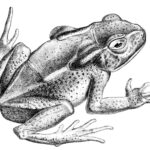
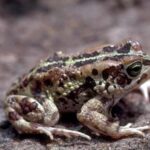
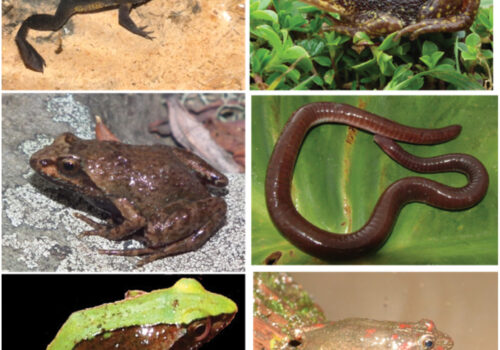
Sclerophrys langanoensis is a modest beauty, subtly attractive yet strategically camouflaged. Adults usually measure between 4–6 centimeters in length, exhibiting compact, robust bodies characteristic of true toads. Their back is adorned with granular skin textured into wart-like protrusions, offering remarkable camouflage against the backdrop of sand, grasses, and shoreline sediments.
Perhaps their most distinguishing feature is coloration: a mosaic of earth tones like olive-green, sandy beige, and brown hues that blend perfectly into their lakeside surroundings. These colors are heightened by subtle dark blotches and sometimes delicate striping—a perfect montage that makes spotting one of these skillfully concealed toads challenging even to the keenest observer.
Eyes large, golden, and positioned high on the head, allow these gentle yet vigilant creatures maximal awareness of their surroundings, essential when predators patrol both waters and air. Powerful hind legs facilitate strong hopping and rapid dives underwater, contributing immensely both to their defensive strategy and ease of movement within their watery home.
Behavior and Life Cycle: Mastering the Waterscape#
Aquatic Hunting Tactics#
Comfortable in its aquatic realm, this toad is an opportunistic feeder, with a varied diet including aquatic insects, insect larvae, small crustaceans, worms, and occasionally tiny fish fry. Its impressive hunting strategy involves patient ambush—waiting undetected amid aquatic vegetation or rocky overhangs until prey ventures close enough for a swift final lunge, capturing victims with astonishing accuracy.
Breeding and Vocalizations#
Breeding within this unique habitat is closely synchronized with seasonal rain patterns, a common characteristic among amphibians. Males arrive early at breeding grounds, strategically situated near shallow lake territories, and start calling to attract mates with soft yet persistent croaking choruses. On still, humid nights, this chorus mingles beautifully with the background whispers of reed beds, creating an unforgettable natural melody.
Females lay gelatinous masses of eggs attached to submerged plants or hidden among aquatic vegetation. Eggs hatch into slender, adapted tadpoles that mouth-parts specialized for scraping algae and microscopic organisms from surfaces, ensuring nourishment even in scarce conditions. This early developmental stage, like all stages of S. langanoensis, has adapted perfectly to the distinctive ecological parameters of Lake Langano.
Ecological Role: Guardians of the Lake Ecosystem#
Amphibians are globally recognized as sensitive biological indicators of ecosystem health. Sclerophrys langanoensis, dwelling exclusively in Lake Langano, serves as a sentinel species whose presence or scarcity provides vital clues to environmental changes. By regulating insect populations and serving as prey to birds, snakes, and water predators, the toads play a pivotal role in maintaining the fine ecological balance. Their health therefore directly reflects on the overall well-being of the lake’s ecosystem.
Threats and Conservation Status#
Facing an Unclear Future#
While details involving exact population numbers for S. langanoensis remain sparse and require greater scientific exploration, it’s firmly suspected that habitat degradation and climate-change-induced alterations to rainfall and lake chemistry could significantly threaten these specialized amphibians. Growing tourism around Lake Langano, agricultural expansion, potential pollution sources, and invasive species could further diminish their delicate living conditions.
Currently, the Lake Langano Toad is listed as Data Deficient on the International Union for Conservation of Nature (IUCN) Red List. This classification acknowledges the crucial knowledge gaps and underlines the necessity for thorough ecological research, ecosystem monitoring, and immediate habitat protection before potential threats escalate further.
Cultural and Scientific Significance#
Ethiopian cultural narratives often perceive nature as intrinsic to community survival and spirituality. While specific lore pertaining directly to S. langanoensis remains undocumented, amphibians commonly symbolize renewal, adaptability, and balance across various cultures. Scientifically, the Lake Langano Toad draws attention to Ethiopia’s extraordinary yet unrecognized biodiversity and encourages deeper exploration into Rift Valley ecosystems. Studying this species may reveal crucial insights into adaptive evolution, aquatic-habitat specializations, and climate resilience, enriching the global understanding of amphibian biology.
Conclusion: Protecting Lake Langano’s Unique Amphibian Heritage#
The story of Sclerophrys langanoensis paints an intricate portrait of nature’s exceptional evolutionary power—crafting specialized lifeforms thriving within distinctive habitats. As we gain a deeper understanding of this fascinating amphibian, we reinforce the urgency behind conserving ecosystems like Lake Langano. To champion this cause, we must engage local communities, conservationists, and policymakers alike, ensuring that Ethiopia’s natural treasures—both visible and hidden—continue to delight future generations.
Let us become advocates, supporting research, conservation initiatives, and responsible stewardship. For in protecting unique species such as Sclerophrys langanoensis, we champion the interconnected web of life nurturing our very existence.