Introduction#
Deep within the moist, emerald realms of Ecuador’s cloud forests lives a creature once believed lost to science: the spectacularly cryptic Rhaebo olallai. Known commonly as the Tandayapa Andes Toad or simply the Olalla’s Toad, Rhaebo olallai occupies a mysterious niche, stirring intrigue among herpetologists and nature enthusiasts worldwide. This rare amphibian species, rediscovered after decades of presumed extinction, symbolizes both nature’s resilience and its vulnerability in the face of habitat disruption. A single glimpse of this elusive creature, blending seamlessly into its wet, moss-covered environment, underscores the importance of preserving the fragile ecosystems it calls home.
Taxonomy and Classification#
Taxonomically, Rhaebo olallai belongs to the Bufonidae family, commonly known as true toads—a diverse group of amphibians widespread across continents. Within the genus Rhaebo, which comprises large, robust South American toads, this species was first described scientifically by Hoogmoed in 1985. Initially recorded from limited specimens, Olalla’s Toad has long puzzled biologists due to its elusive habits and sparse documentation.
The closest relatives of Rhaebo olallai—species like Rhaebo blombergi and Rhaebo coeruleostictus—also inhabit neotropical rainforests, highlighting a lineage rich in adaptations for coping with the moist, dense habitats of the Andean foothills. Understanding the taxonomy of this rare species helps to piece together biodiversity patterns in one of Earth’s most biologically diverse yet critically endangered ecosystems.
Natural Habitat#
Geographic Range and Distribution#
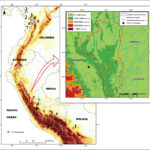
Found exclusively in the Andes of northwestern Ecuador, the presence of Rhaebo olallai was first recorded in areas near Tandayapa, in the cloud forests spanning elevations of 1,500 to 2,200 meters above sea level. This limited geographic range includes pockets of pristine forests shrouded in mist, characterized by high humidity, consistent rainfall, and lush vegetation.
Habitat Preferences and Requirements#
Nestled within Ecuadorian cloud forests—a unique ecosystem where moisture-laden clouds cloak the mountainsides—the Olalla’s Toad prefers a freshwater-rich, moss-covered environment. This habitat thrives on the delicate balance of frequent rainfall and moderate temperatures, forming a vibrant tapestry of ferns, orchids, vines, and towering, epiphyte-laden trees. Here, Rhaebo olallai spends most of its time hidden among thick leaf litter or moss-covered logs, finding moisture, shelter, and abundant invertebrate prey.
Importantly, the existence of this species hinges upon intact habitats. Even slight ecological disruptions, such as deforestation or climate-induced drought, threaten the delicate equilibrium necessary for its survival.
Physical Characteristics#
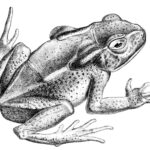
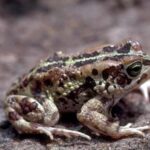
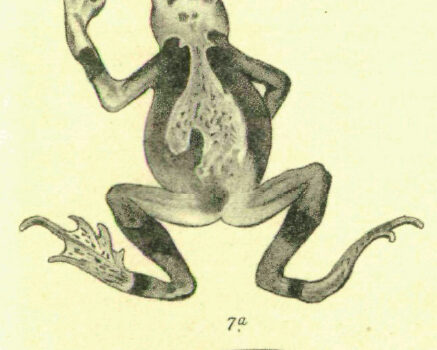
Olalla’s Toad stands out due to its unique appearance, evolved to perfectly mirror its lush habitat. A medium-to-large amphibian, adults range from 4 to 6 cm in body length, exhibiting robust limbs built for navigating uneven forest terrain. Its stout frame and broader head set it apart from related species.
The coloration of Rhaebo olallai demonstrates an impressive camouflage strategy meticulously erected by evolution. Its dull brown or olive skin, splashed occasionally with green hues and speckles resembling moss and lichen patterns, harmonizes seamlessly with its surroundings. Upon approach, observers must rely on well-trained eyes to distinguish this amphibian from the scattered leaves of the forest floor. This effective cryptic coloration safeguards it from avian predators and larger terrestrial reptiles, factors crucial to its survival.
Interestingly, the skin of Olalla’s Toad contains glandular structures known as parotoid glands behind the eyes, which secrete mild toxins capable of deterring predators. Though less toxic compared to some other toad species, this defense mechanism ensures it has an additional layer of protection in its wild ecosystem.
Behavior and Life Cycle#
Hunting and Feeding Habits#
As a nocturnal predator, Rhaebo olallai emerges under the cover of darkness, steadily traversing its moist forest domain in search of sustenance. Its diet primarily includes a variety of insects, arachnids, and smaller invertebrates common to the leaf litter. Using strong limbs and digital pads well adapted to slick surfaces, Olalla’s Toad slowly excavates leaf debris to capture hidden prey with quick, precise movements of its sticky, projectile tongue.
Breeding and Reproduction Strategies#
Breeding events in Olalla’s Toad are intimately linked to the region’s rainfall pattern. Following heavy rains typical during the wet season, males congregate along small, clear-water streams, emitting low-frequency, resonant calls to attract females. These calls—deep and rhythmic—blend harmoniously with background sounds of dripping leaves and flowing streams, adding mystique to nocturnal forest symphonies.
Once chosen by a female, courtship quickly leads to amplexus—a breeding embrace typical of amphibians—wherein the female deposits gelatinous strings of eggs in protected, still-water pools or slow-moving streams. Tadpoles hatch after several days, undergoing metamorphosis over weeks to months depending on water temperatures and food availability.
Ecological Role#
Rhaebo olallai is a critical component of the cloud forest web, contributing significantly as both predator and prey. As insectivores, Olalla’s Toads help control populations of potentially harmful insects, indirectly assisting in regulating plant health and ecosystem balance. Adult toads and tadpoles alike offer an essential protein source for larger vertebrates, including snakes, small mammals, and avian species.
Additionally, amphibians like Olalla’s Toad are sensitive indicators of environmental health, reflecting changes in habitat quality and stability. Their skin—thin, permeable, and highly sensitive—is especially vulnerable to pollutants, water contamination, and climate shifts, making their status highly reflective of broader ecosystem conditions.
Threats and Conservation Status#
Known Threats#
A key factor sharply influencing the viability of Rhaebo olallai population is habitat destruction. Expanding agricultural activities, selective logging, and urban development significantly fragment these fragile cloud forest ecosystems. This habitat fragmentation not only diminishes living space but also restricts genetic diversity necessary for species resilience against emerging threats such as diseases—including the damaging chytrid fungus—and climate change.
Current Conservation Efforts#
Given past events suggesting possible extinction, its rediscovery has galvanized conservationists to protect remaining habitats and implement rigorous conservation measures. Rhaebo olallai is now classified by the IUCN Red List as “Critically Endangered,” highlighting the urgent need for immediate protective actions. Conservation agencies within Ecuador, supported by international environmental organizations, have now focused efforts on habitat protection, local community engagement in forest preservation, and extensive population monitoring.
Cultural and Scientific Significance#
Olalla’s Toad symbolizes hope for conservationists globally—a species lost and rediscovered represents nature’s resilience and possibility of recovery. Ethnically, frogs and toads bear deep symbolic significance for Andean indigenous cultures, often connected with rain, fertility, and ecological balance. Though direct traditions linked to Rhaebo olallai are limited, its ecological role in sustaining rich ecosystems elevates its importance within local cultural paradigms of nature and conservation.
Scientific interest in Olalla’s Toad extends beyond mere taxonomy. Studying this species helps scientists detect early warning signs of ecosystem health deterioration and contributes significantly towards conservation biology, habitat recovery practices, and broader discussions regarding biodiversity conservation and ecological restoration.
Conclusion#
The Rhaebo olallai stands as an inspiring symbol—a rare survivor hidden stealthily among Ecuador’s cloud forest mists. Its continued existence and recent rediscovery remind us of nature’s hidden complexities and the urgent need for vigilant conservation action. By supporting preservation initiatives, understanding these remarkable creatures, and safeguarding their ecosystems, we celebrate biodiversity—a testimonial of intricate evolution and ecological momentum that brought forth such marvelous diversity of life. The fate of Olalla’s Toad, like so many others, lies within our collective hands. Let us ensure its story continues—not as a cautionary tale of loss, but one of compassion, discovery, and hopeful coexistence.