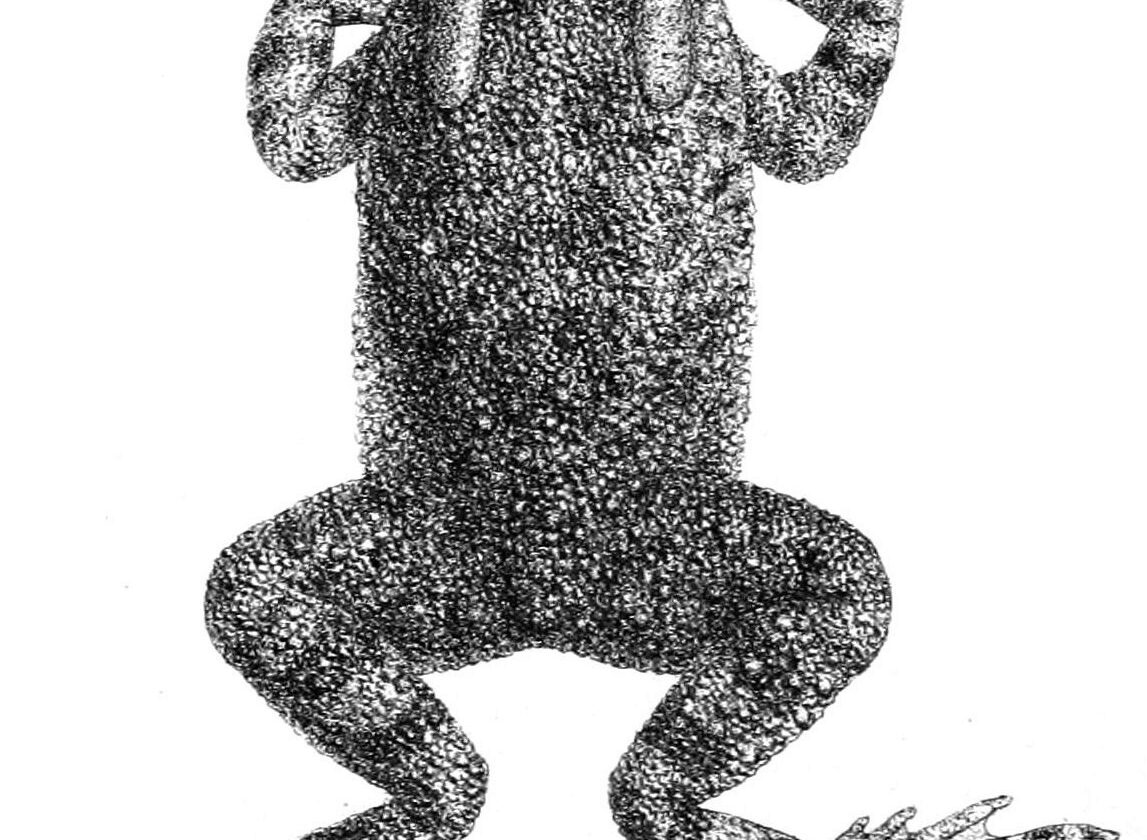
- Sclerophrys funerea: Unraveling the Secrets of Africa's Forest Toad
- Taxonomy and Classification: Understanding Its Place
- A Rich and Humid Realm: The Natural Habitat of <em>Sclerophrys funerea</em>
- An Elusive Beauty: Physical Characteristics Unveiled
- A Nighttime Symphony: Behavior and Life Cycle of <em>Sclerophrys funerea</em>
- Ecosystem Guardians: Ecological Role of the Funeral Toad
- Facing Shadows of Uncertainty: Threats and Conservation Status
- Cultural Significance and Ongoing Scientific Contributions
- A Call to Conservation Advocacy: Joining Efforts to Preserve Nature's Wonders
Sclerophrys funerea: Unraveling the Secrets of Africa’s Forest Toad#
Beneath the dense canopy of Africa’s tropical forests, amidst the hum of insects and the rustling leaves dampened by perpetual mist, resides a remarkable amphibian—the sombre yet fascinating forest dweller: Sclerophrys funerea. Commonly known as the Cameroon Toad or Funeral Toad, this amphibian has woven itself seamlessly into the tapestry of its lush and humid ecosystems. With its cryptic coloration, understated beauty, and intriguing behaviors, it holds secrets captivating to conservationists, researchers, and nature enthusiasts alike.
Why the somber name, you might ask? The term “funerea”, deriving from Latin, hints mysteriously at something funeral-like—possibly referencing the toad’s muted coloration or elusive nocturnal nature. Whatever inspired the peculiar epithet bestowed upon it by early researchers, its evocative title sets the stage for discovering an amphibian whose existence gracefully bridges mystery, science, and conservation.
Taxonomy and Classification: Understanding Its Place#
Sclerophrys funerea, initially described scientifically as Bufo funereus by the zoologist George Albert Boulenger in 1906, belongs to the Bufonidae family—a diverse lineage of anurans commonly known as “true toads.” These amphibians are distinct from frogs owing to their drier, wartier skin, shorter legs, and terrestrial lifestyles.
Formerly grouped under the expansive genus Bufo, taxonomic revisions have led scientists to assign Sclerophrys funerea to the genus Sclerophrys, acknowledging subtle anatomical distinctions within the Bufonidae family. The genus name “Sclerophrys” ingeniously combines Greek “skleros,” meaning “hard,” and “ophryon,” translating roughly as “eyebrow”—a nod to the bony cranial features and prominent ridges often distinguishing this group.
Within this genus, close relatives include species like Sclerophrys camerunensis and Sclerophrys maculata, yet S. funerea maintains a distinct niche in the richness of Africa’s diverse amphibian fauna.
A Rich and Humid Realm: The Natural Habitat of Sclerophrys funerea#
Geographic Distribution and Range#
Primarily endemic to central and western Africa, the Funeral Toad inhabits the forests of Cameroon, Equatorial Guinea, Gabon, Nigeria, and the Republic of the Congo. Within these moist equatorial forests—often remote, undisturbed havens—it thrives in close proximity to streams, rivers, and marshy clearings sheltered beneath dense vegetation. A true forest specialist, the species rarely ventures far from the protection provided by leaf litter, roots, and fallen logs.
Habitat Preferences#
Picture a rainforest floor speckled by filtered sunlight, shimmering glazed ferns dripping moisture, and decomposing foliage cushioning the steps of unseen creatures. Sclerophrys funerea chooses precisely this shadowy theater for its daily life. The dark humus layer supplies ideal hiding grounds, while surrounding humidity ensures the toad’s delicate permeable skin remains damp and hydrated, a critical necessity for its survival.
The microhabitats preferred by this species not only provide moisture and shelter but also harbor ample prey, presenting a perfect environment where camouflage, concealment, and calculated ambushes form its daily activities. As night falls, these toads gracefully slip into action, navigating their secretive world under the veil of darkness.
An Elusive Beauty: Physical Characteristics Unveiled#
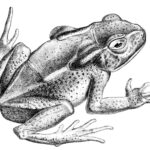
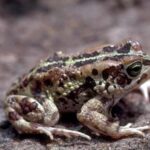
At first glance, the Funeral Toad’s modest appearance may deceive the casual viewer—it is a creature of subtle loveliness rather than vibrant spectacle. Adults range from moderately sized specimens of around 6–7 centimeters in snout-to-vent length. Their bodies display the classic toad-like form: sturdy, robust limbs, distinctly rounded bodies, and slightly flattened heads featuring prominent parotid glands positioned just behind their eyes.
The coloration of Sclerophrys funerea—a muted tapestry of earthy hues including shades of olive-green, brown, grey, and occasionally deep reddish-brown—blends effortlessly into the forest floor’s mottled patchwork. This cryptic patterning serves as exceptional camouflage, allowing the toad to blend seamlessly into fallen leaves and damp soil, evading predators’ vigilant eyes.
Notably, their skin texture features granular warts densely scattered across their dorsal surface, each wart capable of secreting toxins that enhance their predator deterrent capabilities. Hidden amid this inconspicuous appearance lie adaptations perfected across millions of years, highlighting how form beautifully fits function in nature’s unending evolutionary masterpiece.
A Nighttime Symphony: Behavior and Life Cycle of Sclerophrys funerea#
Feeding Habits and Hunting Tactics#
As dusk settles over the rainforest, the toad awakens from daytime shelter to begin its quest. Slowly advancing from cover, it surveys surroundings with acute nocturnal vision and heightened sensitivity to movement and vibrations. Primarily insectivorous predators, Funeral Toads feast predominantly on a diversity of insects—ants, beetles, termites, and moths, among many others—in addition to occasional arachnids and small invertebrates that happen upon their path. Their sit-and-wait hunting style capitalizes on patience and stealth, ensnaring prey with rapid, sticky tongues before the victim registers danger.
Mating and Reproductive Behavior#
During the rainy season, when forests swell with mist-laden showers and temporary pools expand, Sclerophrys funerea partake in grand reproductive gatherings. Male toads congregate around breeding waters, emitting melodious trills resonating through foliage—a chorus of instinct to attract females. Once successful, males gently grasp females dorsally in amplexus, fertilizing jelly-like strands of eggs as they’re laid into gently flowing streams or shallow ponds, complementing the life-giving rains with potential for new life.
Eggs hatch rapidly, and the tadpoles that emerge settle quickly into their aquatic world, feeding voraciously upon algae, organic detritus, and microorganisms. Transformation isn’t far behind, however; within weeks, the larvae develop strong limbs, lose their tails, and step onto terrestrial terrain—a new generation prepared to perpetuate the silent triumph that this species embodies through generations.
Ecosystem Guardians: Ecological Role of the Funeral Toad#
Though easily overlooked by casual visitors, forest toads like Sclerophrys funerea play indispensable ecological roles. Functioning simultaneously as predator and prey, their significant impact effortlessly cascades through local food webs. By controlling populations of insects and other invertebrates, Funeral Toads contribute to maintaining a balanced ecosystem, minimizing sudden population spikes in specific prey species.
Conversely, they themselves become essential prey items for birds, snakes, mammals, and even certain predatory insects, solidifying their place within intricate and delicate biodiversity. Additionally, amphibians such as these frequently represent key ecological indicator species, sensitive to environmental stressors and habitat degradation, reflecting forest health and ecosystem stability.
Facing Shadows of Uncertainty: Threats and Conservation Status#
Despite their vital importance, Sclerophrys funerea faces escalating risks. Habitat degradation and deforestation—largely driven by agricultural expansion, logging operations, and infrastructure development—strike hard on this habitat specialist group. Additionally, climate stressors and unpredictable rainfall may influence breeding behaviors and patterns, injecting resource instability into delicate life cycles.
According to the International Union for Conservation of Nature (IUCN), Sclerophrys funerea presently holds a status listed as “Least Concern,” yet conservationists emphasize vigilance, highlighting the rapid pace of environmental change confronting many amphibians worldwide. Protective measures and proactive conservation programs promoting sustainable forest management remain crucial in preserving not only this toad but the countless interconnected species dependent upon intact rainforest habitats.
Cultural Significance and Ongoing Scientific Contributions#
Though not frequently highlighted in folklore, forest-dwelling amphibians like Sclerophrys funerea often intrigue researchers seeking new medicinal breakthroughs and understanding ecological intricacies. The toxins produced by such toads indeed capture scientific interest, often harboring chemical compounds applicable for medical advancements, drugs, and antivenoms. Indeed, hidden within these secretions may lie potential keys to future scientific developments.
A Call to Conservation Advocacy: Joining Efforts to Preserve Nature’s Wonders#
Exploring the captivating life and subtle beauty of Sclerophrys funerea, we awaken recognition regarding the interconnectedness of life in Earth’s fragile ecosystems. Preserving its lush rainforest home helps secure this quiet sentinel’s future and safeguard nature’s priceless tapestry. Through continued education, scientific research, responsible environmental stewardship, and global awareness, perhaps we can ensure that species like the Funeral Toad continue to thrive, enriching our planet’s diversity and ecological balance.