Sclerophrys blanfordii: Exploring the Secretive Life of Blanford’s Toad#
In the various hidden nooks and crannies of our planet’s rich tapestry of biodiversity, certain creatures dwell quietly, largely unnoticed even by the most diligent nature enthusiasts. One such mysterious inhabitant, weaving silently through the dry savannah grasslands and open scrublands of northeastern Africa, is Sclerophrys blanfordii, commonly known as Blanford’s Toad. While perhaps not as frequently spotlighted as the flamboyant dart frogs of Central America or the charismatic bullfrogs of North America, Blanford’s Toad offers a fascinating window into the adaptations, ecological importance, and precarious status of amphibians living on the sunbaked margins of our planet’s tropical ecosystems.
A relatively obscure amphibian to the wider public, Sclerophrys blanfordii nevertheless warrants attention for its extraordinary resilience and adaptability to harsh living conditions. Named in honor of the illustrious British zoologist and geologist William Thomas Blanford, this toad exemplifies a quiet strength vital to understanding ecological adaptation and evolution in rapidly changing savannah biomes. From survival strategies shaped by dry seasons to intriguing breeding behaviors timed perfectly with seasonal rains, the life of Blanford’s Toad encapsulates nature’s ingenuity.
Taxonomy and Classification#
Before diving deeper into the captivating details of this amphibian’s ecology and conservation, it is vital first to understand its scientific position within nature’s complex classification system. Sclerophrys blanfordii is classified within the family Bufonidae, the true toads, notable for their rugged skins and often prominent parotid glands. Originally classified as Bufo blanfordii, taxonomic revisions based on molecular studies compelled herpetologists to reassign it to the genus Sclerophrys, reflecting a more accurate evolutionary history and genetic profile.
This genus also includes several closely related species, such as Sclerophrys regularis, often called the African common toad, and Sclerophrys gutturalis, the guttural toad. These species share anatomical similarities, environmental adaptations, and evolutionary pathways, highlighting the intricate web connecting them across the vast African continent. Taxonomic clarity, however nuanced, proves critical in conservation science, guiding protection of genetically distinct populations deserving special attention.
Natural Habitat#
Geographic Range#
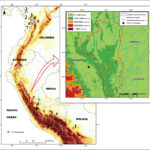
Blanford’s Toad calls northeastern Africa home, specifically regions within Ethiopia, Eritrea, Djibouti, Somalia, and parts of northern Kenya. This area is defined by semi-arid to arid savannahs, scattered scrublands, grasslands, and occasionally cultivated or disturbed rural landscapes. These harsh environments, baked under intense sunlight by day and rapidly cooling by night, might seem inhospitable to many amphibians. Yet, quite remarkably, the Blanford’s Toad has carved out a specialized niche here, thriving amidst conditions that challenge its amphibious biology.
Habitat Preferences and Adaptations#
Unlike many tropical frogs safeguarding moisture through lush rainforests or humid wetlands, Sclerophrys blanfordii must deftly navigate a landscape routinely subjected to stark dryness punctuated only by sporadic, often unpredictable rains. Deciduous shrubs, tall grasses, rocky outcrops, and seasonal streams provide critical microhabitats where moisture persists just enough to sustain amphibian life.
Adaptations to this demanding environment testify to the resilience of Blanford’s Toad. It is capable of burrowing into soft soils, retreating underground during especially punishing periods of dry seasons. When moisture levels dip dangerously low, these toads engage in aestivation, a form of dormancy minimizing water loss and reducing metabolic expenditure. Such behavior epitomizes the remarkable adaptive strategies nature has sculpted in amphibians persevering amidst erratic climates and ecosystems defined by extreme fluctuations.
Physical Characteristics#
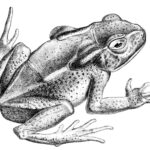
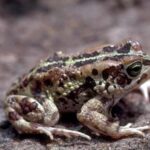
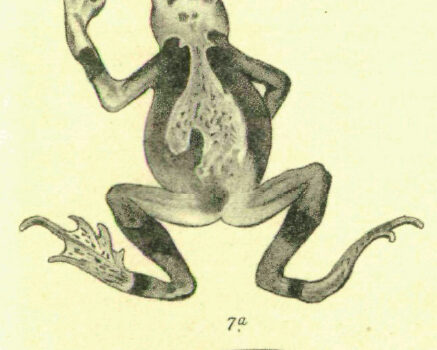
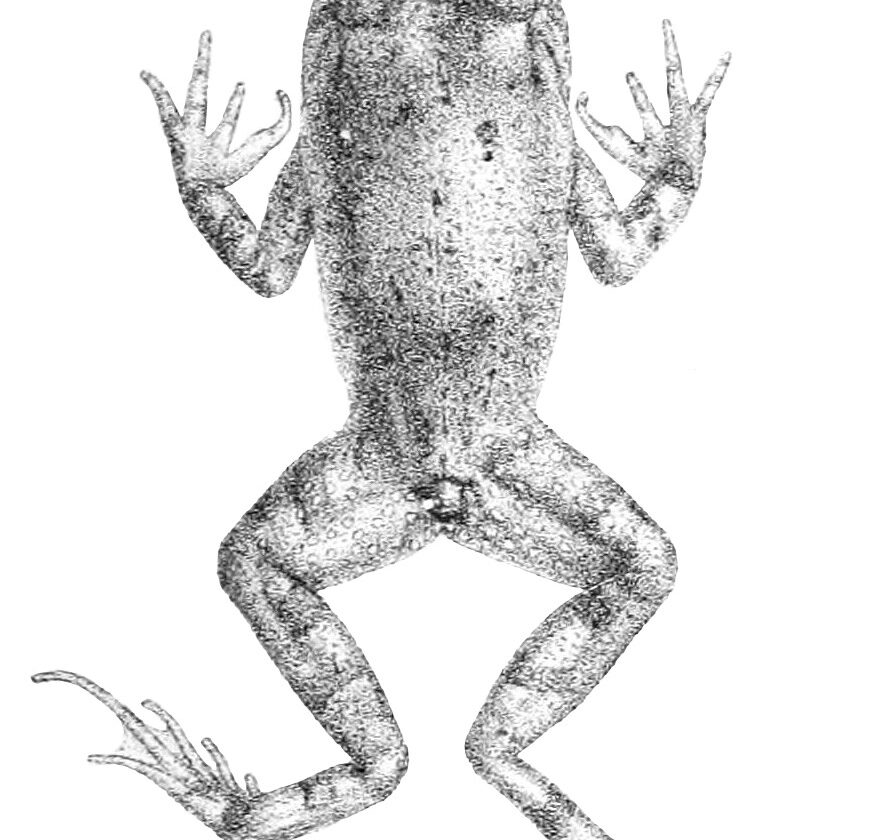
Blanford’s Toad is both understated and distinctive. Adult individuals typically range from 60 to 90 mm in length. Their bodies are robust, compact, and beautifully adapted to subterranean retreats and terrestrial locomotion. One of their most distinctive features is their skin, characterized by a rough, warty texture finely engineered not merely as armor, but as an effective moisture-capturing interface. Numerous glands dot their rugged exterior, secreting a mildly toxic substance designed not only to deter predators but also to preserve precious moisture in arid environments.
The coloration of Blanford’s Toad echoes the subdued tones of its habitat. The dorsal side commonly displays combinations of earth-toned hues—olive-grey, sandy-brown, or subdued yellows—perfectly suited for camouflage among thorny scrubland brush, dried grass, and loose rocky soil. Patterns and mottling further break up their outline, affording protection from vigilant raptors, snakes, and mammalian predators. This cryptic appearance is not simply aesthetic; it epitomizes evolutionary finesse, attuned intricately to the sunlit grasslands and thornbrush it inhabits.
Behavior and Life Cycle#
Feeding Habits and Foraging Strategies#
An opportunistic predator, Blanford’s Toad subsists largely on a diet of insects, spiders, and other invertebrates that populate its environment. Foraging primarily commences under the cover of dusk, as temperatures cool and the arid landscape awakens with nocturnal insect life, presenting prime hunting conditions. An acute sensitivity to vibrations, along with keen eyesight attuned to low-light conditions, aids these amphibians in locating and capturing prey.
Mating and Breeding Behavior#
One of the most intriguing elements of their ecology is their reproductive habits, timed precisely to coincide with rainfall. Breeding takes place in ephemeral ponds, seasonal streams, or temporary pools triggered by short-term rains. These temporary waters, fleeting and unpredictable, spark fervent bouts of breeding activity lasting only as long as moisture permits.
Males assemble around pooled water at night, carefully staking temporary territories to advertise their calls—melodic yet subtle trills resonating softly within the African night. Females, attracted by these performances, select robust mates, after which amplexus and egg-laying rapidly ensue. Tadpoles hatch swiftly and mature with equal urgency, racing against evaporation that constantly threatens their survival. Such an adaptive response embodies the delicate dance amphibians must perform in habitats caught in a delicate moisture equilibrium.
Ecological Role#
In the greater ecosystem, Blanford’s Toad occupies a vital ecological niche as both consumer and prey. As voracious insectivores, these toads exert substantial control over insect populations. Thus, they indirectly support agricultural pest control and significantly influence nutrient cycling in their ecosystem.
Conversely, they also represent a crucial food source for various predators—including snakes, birds of prey, and carnivorous mammals—fitting neatly into the broader tapestry that balances energy and nutrient flow within their habitats. Their existence reflects a dynamic equilibrium intricately tuned to the local environment’s unique rhythms and challenges.
Threats and Conservation Status#
Despite their adaptability, Blanford’s Toad populations face growing threats. Habitat loss induced by agricultural expansion, deforestation, and urbanization increasingly fragments and degrades the isolated habitats upon which this species depends. Climate change poses particularly insidious threats, altering rainfall patterns and intensifying drought cycles, thus jeopardizing the delicate ecological choreography this species relies upon.
Currently classified as “Least Concern” by IUCN, Sclerophrys blanfordii does benefit from a relatively wide distribution range and decent population numbers. Nevertheless, the shifting tides of global change render careful monitoring and proactive conservation essential. Enhanced habitat protection, environmentally sensitive land-use policies, and ongoing research will be pivotal in safeguarding their future.
Cultural and Scientific Significance#
Although perhaps not entrenched prominently in cultural folklore or symbolism, Blanford’s Toad nonetheless holds scientific significance, acting as an ecological indicator species. Amphibians, like Sclerophrys blanfordii, often serve as sensitive sensors for environmental changes, alerting us when ecosystems teeter toward imbalance. Understanding their biology aids researchers in assessing impacts of habitat alterations, climate shifts, and ecological health at wider ecosystem scales.
Conclusion: Preserving Nature’s Subtle Wonders#
Ultimately, the story of Blanford’s Toad highlights the quiet yet magnificent resilience found in less-heralded corners of the natural world. Understanding and appreciating the delicate interplay between amphibians like Sclerophrys blanfordii and their environments reminds us of our shared responsibility. By supporting conservation research and habitat protection, we become active partners in preserving the intricate web of life, safeguarding species that might otherwise remain hidden but whose presence and persistence enrich our world profoundly.