- Spotlight on the Yellow-Spotted Tree Toad (Rentapia flavomaculata): A Jewel of the Forest Canopy
- Taxonomy and Classification: Understanding its Place in Amphibian Diversity
- Natural Habitat: Life Among the Leaves and Shadows
- Physical Characteristics: An Arboreal Amphibian Adapted for Camouflage and Mobility
- Behavior and Life Cycle: Secrets of the Forest Canopy
- Ecological Importance: A Keystone Species of Its Microhabitat
- Threats, Challenges, and Conservation Status
- Cultural and Scientific Relevance
- Conclusion: A Call Towards Conservation Awareness
Spotlight on the Yellow-Spotted Tree Toad (Rentapia flavomaculata): A Jewel of the Forest Canopy#
Nestled within Southeast Asia’s emerald rainforests dwells a frog that could easily pass unnoticed—yet once spotted, will never be forgotten. Known scientifically as Rentapia flavomaculata, and commonly as the Yellow-Spotted Tree Toad, this amphibian embodies the hidden wonders of the rainforest canopy. Despite its secretive existence, this fascinating creature captivates those fortunate enough to glimpse its vivid colors and intriguing behavior.
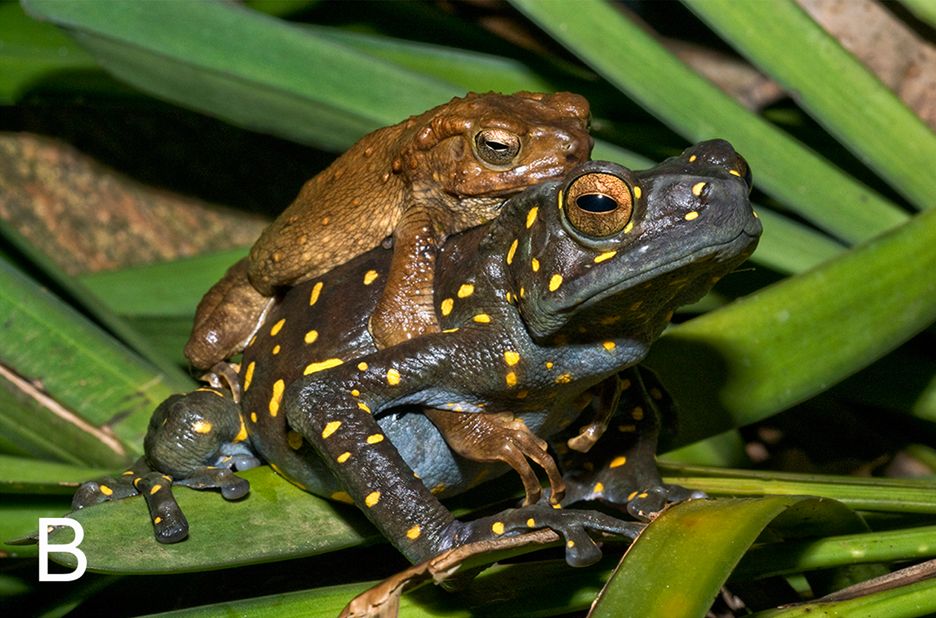
Named elegantly for its defining feature—luminous yellow spots scattered across dark, velvety skin—Rentapia flavomaculata leads a remarkable existence that intertwines seamlessly with the pulse of its environment. Perhaps its most charming quirk is its arboreal lifestyle. While we tend to imagine frogs hopping near streams and ponds, this species seeks safety in the lofty heights of towering jungle trees, hinting at an extraordinary set of adaptations that allow it to thrive in this unique niche.
As conservation efforts intensify across Southeast Asia’s biodiversity hotspots, understanding this elusive amphibian becomes all the more crucial. From its ecological importance as both predator and prey to its role as an indicator species reflecting the health of its tropical habitat, the story of Rentapia flavomaculata offers invaluable insights into the challenges facing rainforest biodiversity.
Taxonomy and Classification: Understanding its Place in Amphibian Diversity#
To fully appreciate the Yellow-Spotted Tree Toad, we begin by placing it within the grandeur of amphibian taxonomy. Classified scientifically within the Bufonidae family—commonly known as true toads—this species is distinctively Central and Southeast Asian. While many picture toads as ground-dwellers, the genus Rentapia gracefully contradicts this stereotype, showcasing adaptations necessary for arboreal habitats.
Rentapia flavomaculata belongs to a relatively small genus of toads, exhibiting fascinating traits adapted specifically for life off the forest floor. Its closest relatives, such as Rentapia hosii, share similar arboreal tendencies, specialized climbing behaviors, and intriguing coloration patterns. Appreciating this broader taxonomic context aids in understanding not only the characteristics that set R. flavomaculata apart but also the rich evolutionary history it represents within Southeast Asia’s diverse amphibian lineage.
Natural Habitat: Life Among the Leaves and Shadows#
Geographic Range and Habitat Preferences#
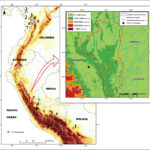
The Yellow-Spotted Tree Toad calls the lush, humid rainforests of Malaysia, Thailand, and Indonesia its home. These vibrant landscapes, characterized by towering canopies, dense vegetation, and abundant moisture, offer ideal habitats. Within these shadows and bursts of sunlight, this species finds refuge and sustenance, thriving at elevations typically ranging from lowland forests up to moderate elevations of around 900 meters above sea level.
The preferred habitat of Rentapia flavomaculata is defined by its intimate relationship with forest trees. While some amphibians gravitate toward terrestrial micro-environments or permanent water bodies, the Yellow-Spotted Tree Toad inhabits the mid to upper forest canopy, often venturing along branches and hidden among lush foliage. Their survival depends heavily on undisturbed, mature forests where humidity remains constant, and biodiversity provides ample opportunities for hunting and mating.
Interactions Within Its Environment#
Through millions of years of adaptation, Rentapia flavomaculata has perfectly synchronized its life cycle with the rhythm of the monsoon seasons. The regular rain showers provide the precious freshwater necessary for breeding, resulting in temporary breeding pools whose formation triggers the frogs’ carefully-timed reproductive activity. The lush canopy also protects them from ground-dwelling predators, while abundant insect life ensures continuous, year-round food.
Physical Characteristics: An Arboreal Amphibian Adapted for Camouflage and Mobility#
Anatomy and Size#
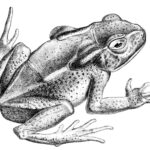
Rentapia flavomaculata is a moderately sized amphibian, typically measuring between 7 to 9 centimeters in length. What these tree toads lack in size, they more than compensate for with their elegance and vividness. Their slender limbs, specialized toe pads, and adhesive climbing structures are specially adapted for securely gripping smooth leaves and branches—a must-have trait for an amphibian living high above the forest floor.
Coloration and Camouflage#
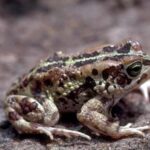
Arguably, the most striking feature of this remarkable toad remains its brilliant coloration. Dark green or blackish skin contrasts beautifully against the bright yellow, irregular, blotchy spots distributed across its back and limbs. These dramatic color patterns offer more than visual intrigue; they effectively break up the animal’s silhouette amidst foliage and shadows, providing invaluable camouflage during daytime rest and nighttime hunting sessions. Additionally, their earthy skin texture offers further concealment, mimicking lichen-covered tree bark and mosses to become invisible in their habitats.
Behavior and Life Cycle: Secrets of the Forest Canopy#
Dietary Habits: Efficient Canopy Hunters#
Rentapia flavomaculata exhibits impressive diversity and efficiency in its hunting methods. An opportunistic insectivore, this agile nocturnal hunter feasts primarily on insects—such as beetles, ants, moths, and other arthropods—abundant within its arboreal environment. Equipped with excellent eyesight, the tree toad waits patiently on leaves and branches, employing an ambush strategy punctuated by swift leaps and sticky protrusions with its deftly hooked tongue.
Breeding Rituals and Parental Strategies#
Breeding in Rentapia flavomaculata remains an enchanting seasonal affair synchronized with the onset of monsoon rains. Males vocalize with distinctive calls echoing gracefully through the treetops, attracting receptive females. Amphibian choruses such as these not only serve as a romantic overture but also remind us of the health and vibrancy of the rainforest habitat.
Once mating begins, these tree toads descend from treetop shelters to temporary woodland pools filled by recent rainfall. Here, they deposit eggs protected within gelatinous masses, facilitating embryonic development in optimal conditions. Within days, delicate tadpoles emerge, initiating swift metamorphosis processes as temporary pools quickly disappear. This urgency, dictated by nature itself, ensures resilience and adaptation within the species’ life cycle.
Ecological Importance: A Keystone Species of Its Microhabitat#
Though modest in size, Rentapia flavomaculata significantly impacts its forest home. As both predator and prey, it forms crucial links within rainforest food webs. It effectively controls insect populations, providing natural pest regulation, while also contributing prey biomass to larger predators, including snakes, birds, and mammals.
Additionally, the health of populations like this amphibian serves as an indicator of forest ecosystem vitality. Any decline in their numbers alerts conservationists about broader environmental pressures affecting biodiversity, including habitat degradation, pollution, and climate disruption. Thus, the presence and health of tree-dwelling amphibians serve as pivotal indicators, subtly speaking volumes about the delicate balance of their ecosystem.
Threats, Challenges, and Conservation Status#
As with countless forest species, habitat loss remains a looming threat for Rentapia flavomaculata. Rapid deforestation caused by logging, agricultural expansion, oil palm plantations, and human development severely fragments and reduces suitable habitats.
Currently, according to the International Union for Conservation of Nature (IUCN), Rentapia flavomaculata holds a status of Least Concern, though vigilance is necessary. Conservationists emphasize forest protection, reforestation, and responsible forestry practices crucial in preserving this distinctive creature, their ecosystems, and associated biodiversity.
Cultural and Scientific Relevance#
Beyond ecological roles, frogs and toads in Southeast Asia often harbor significant cultural symbolism. Locally, amphibians symbolize renewal, fertility, and harmonious relationships between humans and nature. Scientifically, researchers increasingly focus on amphibians to measure environmental health and document unique biochemical compounds with potential medical applications.
Conclusion: A Call Towards Conservation Awareness#
Rentapia flavomaculata, the vibrant Yellow-Spotted Tree Toad, serves as an ambassador, reminding us of the magnificence yet fragility of rainforest biodiversity. Understanding this species allows us glimpses into the wonders above our heads, awakening appreciation and an urgent sense of responsibility toward their protection.
As readers and conservation enthusiasts, we must advocate and support the preservation of these delicate ecosystems and their remarkable diversity. Let us join in celebrating and safeguarding the captivating creature Rentapia flavomaculata—not merely for its beauty, but because in its survival lies the promise of a vibrant future for our shared planet.