- The Arabian Toad: Exploring the Fascinating World of <em>Sclerophrys arabica</em>
- Taxonomy and Classification: A Closer Look at <em>Sclerophrys arabica</em>
- Natural Habitat: Life in Arid Landscapes
- Physical Characteristics: Subtle Beauty and Functionality
- Behavior and Life Cycle: Desert Survival Strategies
- Ecological Role: Unassuming Guardians of Desert Ecosystems
- Threats and Conservation Status: Protecting a Desert Survivor
- Cultural and Scientific Significance: Beyond Ecology
- Conclusion: Stewardship for Arabia’s Humble Amphibian
The Arabian Toad: Exploring the Fascinating World of Sclerophrys arabica#
As daylight fades into dusk across the rugged terrain of the Arabian Peninsula, a subtle yet persistent chorus arises. This gentle melody, a blend of rhythmic croaks and chirps, belongs to an unassuming yet captivating species: the Arabian toad (Sclerophrys arabica). With skin patterned in subtle hues of sandy beige and olive-brown, this amphibian perfectly camouflages with the stony terrains and ephemeral watercourses it calls home. Often overshadowed by its tropical rainforest cousins, Sclerophrys arabica offers fascinating insights into adaptation, survival, and the delicate ecological balance of arid ecosystems.
The Arabian toad’s quiet persistence beneath the harsh desert skies reflects a remarkable adaptation story — a species that has evolved to thrive in one of the planet’s most challenging environments. This article delves deeply into understanding the life, threats, and captivating uniqueness of one of Arabia’s hidden gems: Sclerophrys arabica.
Taxonomy and Classification: A Closer Look at Sclerophrys arabica#
The Arabian toad belongs to the Bufonidae family — widely known as “true toads.” Genetically robust and varied, Bufonidae includes hundreds of species globally, called “true” owing to their classic terrestrial behaviors and rugged skin textures. Sclerophrys arabica, known commonly as the Arabian toad, is firmly rooted within this family, sharing the characteristics typical of bufonids, such as a dry, warty appearance, prominent poison glands (parotoid glands), and terrestrial habits.
This species was previously grouped under the genus Bufo, a denotation familiar to many nature enthusiasts. However, recent molecular studies have revised its classification, placing it within the genus Sclerophrys, reflecting more accurate evolutionary relationships. Its closest relatives within this genus include similarly resilient African toads—amphibians adapted to thrive in hot climates with intermittent water availability.
Natural Habitat: Life in Arid Landscapes#
The arid terrains of the Arabian Peninsula may seem inhospitable, yet every crack, hollow, and seasonal watercourse provides a foothold for resilient life forms like Sclerophrys arabica. Geographically, this species predominates throughout southern Saudi Arabia, Yemen, Oman, and the United Arab Emirates, ranging widely yet selectively across these desert and semi-desert regions.
An Adaptation Masterpiece#
The habitat preferences of Sclerophrys arabica distinctly demonstrate its remarkable adaptative evolution. Far from permanent lakes or streams, these amphibians gravitate toward temporary desert ponds, wadis (dry riverbeds that fill seasonally), oases, and human-altered habitats like agricultural channels and water storage areas.
In wadis, their life is uniquely precarious yet captivating. Here, desert storms provide ephemeral water bodies that create opportunities for explosive breeding and feeding frenzies. Adaptive efficiency allows the toads to rapidly breed, grow, and complete metamorphosis before these temporary pools evaporate under relentless desert sun. These habitats not only test the toad’s evolved resilience but highlight the extraordinary synchronization of its life cycle with the fickle desert climate.
Physical Characteristics: Subtle Beauty and Functionality#
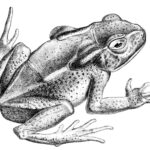
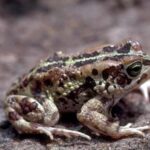
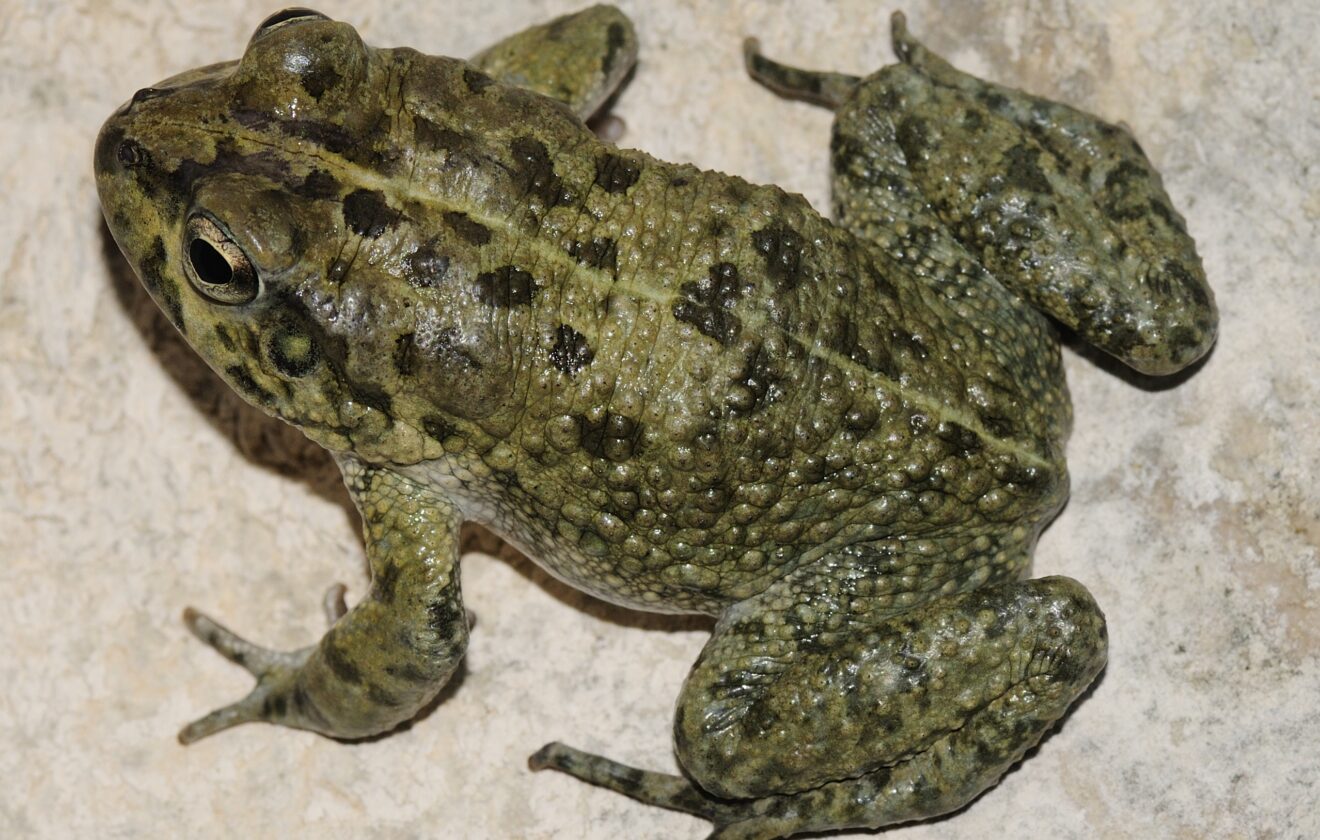
Appearance-wise, the Arabian toad is charmingly rugged. Adults rarely exceed lengths of around 8–10 centimeters, making them modest in size, yet their bodies harbor fascinating adaptations hidden within a simplistic disguise. Their coloration varies from sandy tan to grayish olive, perfectly camouflaged within their rocky and sandy surroundings. Subtle darker blotches and bands across their limbs further enhance their ability to blend seamlessly into the environment, providing essential protection against predators.
Skin texture in Sclerophrys arabica tells another story of adaptation—a rough, warty surface adorned with enlarged parotoid glands behind the eyes. These glands secrete defensive toxins, deterring potential predators and enabling the toad’s survival amidst vigilant desert predators. This dual strategy of camouflage and toxin secretion exemplifies survival ingenuity in harsh landscapes.
Adaptations to Desert Life#
Perhaps most intriguing is the species’ capacity to retain moisture and resist dehydration. Their rough skin helps minimize the evaporation of vital body fluids, ensuring their survival even during extended periods of drought. These traits underscore the finely tuned evolutionary processes shaping the Arabian toad, matching anatomical features precisely with their severe desert context.
Behavior and Life Cycle: Desert Survival Strategies#
The Arabian toad’s life is intricately tied to desert rains. Life in the desert revolves around waiting patiently, often hidden in subterranean refuges, for rainfall that signals breeding opportunities. When desert thunderstorms rumble and pools form, the chorus of calling males fills the night air—a spellbinding display of resilience. Their deep, resonant croaks serve not merely as charming overtures but are crucial aspects of reproductive success, attracting females to the temporarily flooded breeding grounds.
Reproduction and Development#
Female Arabian toads lay hundreds of eggs, carefully deposited in long, gelatinous strings beneath the water surface. Tadpoles swiftly emerge, adapting rapidly in these temporary pools. Within weeks, they metamorphose speedily, transitioning from aquatic larvae equipped for exploiting food-rich temporary pools into terrestrial juveniles ready to confront the desert once more.
Young toads, freshly transformed from tadpoles, disperse into the surrounding terrain, cautiously seeking refuge among rocky crevices, vegetation patches, and hidden micro-habitats. Surviving juveniles exemplify nature’s incredible timing—living miracle creatures harnessing fleeting moments of rain to propagate and sustain their populations in an otherwise challenging realm.
Ecological Role: Unassuming Guardians of Desert Ecosystems#
In their dry habitats, Arabian toads serve quietly yet significantly as ecological stabilizers, harmoniously connecting various trophic relationships. Throughout their terrestrial phase, they prey relentlessly upon insects, spiders, and other vast numbers of small invertebrates. By doing so, they maintain crucial checks and balances upon insect populations—often pests that, if unchecked, threaten ecological stability and human agriculture.
Simultaneously, these amphibians sustain predators higher up the food web. Snakes, birds of prey, and small desert carnivores rely on such amphibians as periodic nutrition sources. Thus, the Arabian toad functions as both predator and prey, an integral cog within this delicate ecological machinery.
Threats and Conservation Status: Protecting a Desert Survivor#
The International Union for Conservation of Nature (IUCN) currently classifies Sclerophrys arabica as a species of “Least Concern,” a designation indicating stable populations across its natural range. Nonetheless, growing environmental pressures and rapid changes threaten regional populations, warranting careful attention and conservation monitoring.
Environmental Challenges and Their Impacts#
Habitat loss and degradation due to agriculture expansions, urban development, infrastructure projects, and desertification increasingly challenge this resilient species. Changes in rainfall patterns attributable to climate shifts may also dramatically alter the availability and timing of breeding habitats, impacting reproductive success. Conservationists emphasize that protecting desert wetlands, wadis, and intermittent pools is pivotal for ensuring this amphibian’s survival and the broader ecological health of Arabian deserts.
Cultural and Scientific Significance: Beyond Ecology#
Arabian cultures, borrowing insights from their environment and its resilient species, have historically viewed amphibians differently. Locally, the Arabian toad often symbolizes resilience and adaptability, reflecting human communities’ struggles and successes within these harsh environments.
Scientifically, too, Sclerophrys arabica provides invaluable insights. Its unique adaptations to arid conditions offer researchers opportunities to study evolution, dehydration resistance, and the impacts of climate change on terrestrial species. Understanding their ecological and physiological adaptations presents meaningful cues for future conservation and climate resilience planning.
Conclusion: Stewardship for Arabia’s Humble Amphibian#
Sclerophrys arabica, the Arabian toad, embodies resilience and adaptation in one of our planet’s toughest biomes. Its fascinating lifestyle, intriguing adaptations, and quiet ecological significance warrant acknowledgment, appreciation, and attention in conservation discussions. Protecting this invaluable desert dweller requires awareness, education, and active preservation efforts from conservationists, researchers, nature enthusiasts, and policymakers alike.
Let us cherish and safeguard this modest yet extraordinary amphibian creature — a symbol of perseverance, subtle ecological balance, and a living testament to nature’s extraordinary evolutionary prowess. Embrace this opportunity to learn, share, and join efforts in preserving this adaptable desert amphibian for generations still to come.