- Peltophryne ramsdeni: Unveiling the Secret Life of Cuba's Regal Ramsden's Toad
- Taxonomy and Classification
- Natural Habitat: Cuba's Limestone Refuges
- Physical Features: An Elegant Guardian of the Underbrush
- Behavior and Life Cycle: Masters of Timing and Adaptations
- Ecological Role: Integral Links in Cuba's Biodiversity Chain
- Conservation Status and Threats: Navigating Challenges of Survival
- Cultural and Scientific Significance: Wildlife Heritage and Discovery
- Conclusion: Protecting an Amphibian Gem
Peltophryne ramsdeni: Unveiling the Secret Life of Cuba’s Regal Ramsden’s Toad#
Hidden among the lush vegetation and limestone crevices of Cuba’s verdant landscapes resides one of the Caribbean’s lesser-known but fascinating amphibian treasures: the Ramsden’s Toad, scientifically named Peltophryne ramsdeni. Characterized by its distinct appearance and peculiar behaviors, this species offers wildlife enthusiasts and herpetologists alike an intriguing glimpse into a specialized niche of wildlife evolution. Despite its quiet existence, the Ramsden’s Toad holds significant ecological and conservation importance, serving as an indicator of environmental health and biodiversity in its native range. Let’s journey together into the intricate world of Peltophryne ramsdeni and discover the intriguing biology, behavior, ecological roles, and conservation challenges faced by this remarkable amphibian.
Taxonomy and Classification#
Belonging to the family Bufonidae, commonly known as “true toads,” Peltophryne ramsdeni occupies a distinctive place within amphibian taxonomy. It shares the genus Peltophryne with several other Caribbean species, a group characterized by their resilience and adaptability to island ecosystems. Scientifically described in 1919 by Chapman Grant, the Ramsden’s Toad bears its common name as an homage to Charles Theodore Ramsden—a renowned naturalist who extensively explored Cuba’s rich amphibian diversity.
Within Bufonidae, the genus Peltophryne emerged through historical evolutionary events shaped by the unique geological history of the Caribbean islands. Closely related species, such as Peltophryne taladai and Peltophryne peltocephala, share striking morphological and ecological similarities, reflecting their shared evolutionary pathways amid isolated island habitats.
Natural Habitat: Cuba’s Limestone Refuges#
The Ramsden’s Toad uniquely thrives in the specialized microhabitats of eastern Cuba, predominantly within damp, limestone-substrate tropical forests and karst terrains. These habitats offer the toad critical refuges among rocks, leaf litter, and underground cavities formed through limestone dissolution. From the rugged elevations surrounding Baracoa to expansive forest expanses near Guantanamo province, these quiet amphibians live largely unnoticed, sheltered beneath fallen logs, rocks, and dense foliage canopies.
An Affinity for Subtle Niches#
Exploring a patch of mature broadleaf forest in eastern Cuba, one might briefly catch sight of the elusive Ramsden’s Toad, nestled amongst layers of organic matter or hiding beneath limestone formations. The toad’s affinity to subterranean microhabitats provides cool, humid shelter, crucial for thermoregulation and moisture retention—a paramount need for amphibians dependent on permeable skin.
Unlike some amphibians that require constant proximity to flowing streams or large water bodies, Ramsden’s Toad has adapted to periodic rainfall regimes. Temporary pools and seasonal rainfall patterns provide critical breeding and developmental habitats, challenging these amphibians to maximize reproductive opportunities within limited temporal windows.
Physical Features: An Elegant Guardian of the Underbrush#
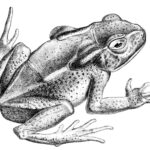
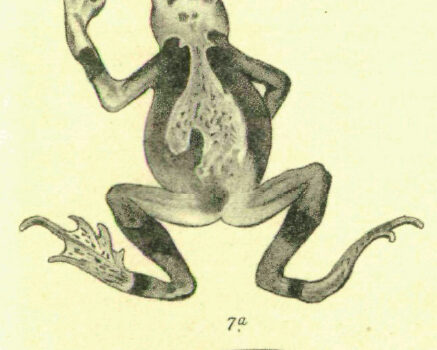
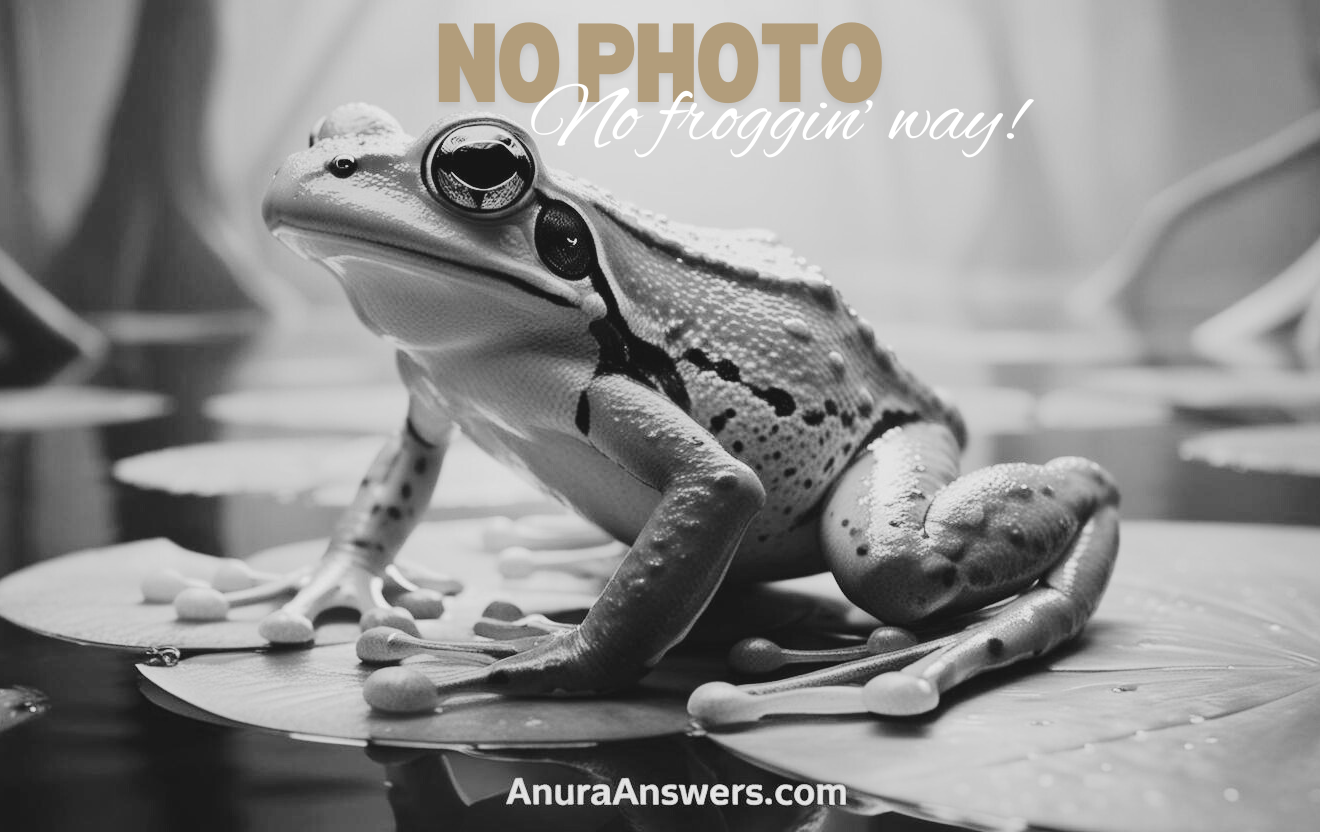
Peltophryne ramsdeni combines an understated beauty with finely-tuned camouflage. Mature adults typically present robust builds, rounded snouts, and characteristic rough skin textures studded with granular warts. Adult individuals measure between 50 to 80 millimeters in length, showcasing remarkable physical adaptations that improve survival within their specialized niche environment.
Coloration and Camouflage#
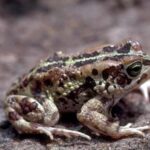
The skin color tends towards shades of gray, olive, and tan interspersed with darker irregular blotches and markings. These natural patterns mimic the subtle contrasts and granular textures of limestone surfaces and leaf litter, equipping the Ramsden’s Toad with a stealthy camouflage that conceals it effectively from both predators and prey alike.
Notably, this toad possesses prominent parotoid glands—a defining feature of Bufonidae family members—located just behind its eyes. These glands secrete defensive toxins when threatened, contributing significantly to their anti-predation defenses.
Behavior and Life Cycle: Masters of Timing and Adaptations#
Life for the Ramsden’s Toad revolves around subtle yet refined adaptations that balance survival with reproduction in a habitat characterized by periodic environmental fluctuations. Ramsden’s Toads primarily exhibit nocturnal behaviors, emerging from daytime hideaways under cover of darkness to forage and reproduce in optimal conditions of temperature and humidity.
Feeding Behaviors and Diet#
Insectivorous in nature, these toads play a pivotal role in controlling invertebrate populations within their habitat. Their diet encompasses a variety of arthropods, mainly beetles, ants, termites, spiders, and crickets. Equipped with powerful sticky tongues, Ramsden’s Toads effectively capture and consume prey items during nocturnal foraging expeditions, driven by subtle visual and tactile cues.
Reproductive Rituals and Development#
The breeding season aligns intricately with Cuba’s rain cycles. Heavy evening rains trigger mass migrations of Ramsden’s Toads toward ephemeral water sources, initiating vibrant nocturnal choruses dominated by males’ unique trills and rhythmic chorusing songs. Females join these nightly congregations, selecting males based primarily on vocal prowess and vigor, laying gelatinous egg strings that cling snugly to submerged vegetation and rocky substrates.
Tadpole development progresses swiftly in temporary pools, an adaptation naturally selected by the seasonally limited availability of suitable growth habitats. The metamorphosis from aquatic larvae to terrestrial juvenile toads occurs rapidly—reducing mortality risks associated with drying ephemeral pools or predatory threats within aquatic confines.
Ecological Role: Integral Links in Cuba’s Biodiversity Chain#
Despite their inconspicuous nature, Ramsden’s Toads play critical ecological roles within their habitats. Through feeding behaviors, toads assist significantly in insect population management, contributing to balanced ecosystem dynamics and plant protection. Additionally, their density and reproductive activity provide fundamental feeding resources for native predators, including various snakes, birds, and mammals dependent on amphibian protein sources.
Indicators of Environmental Health#
Perhaps most crucially, Ramsden’s Toad acts as a valuable sentinel species. Due to their sensitive skin and complex life cycles reliant on aquatic and terrestrial habitats, these amphibians respond keenly to environmental degradations, pollutants, and climate fluctuations, signaling early ecosystem stresses before more conspicuous damage becomes irreversible.
Conservation Status and Threats: Navigating Challenges of Survival#
The Ramsden’s Toad currently faces significant conservation challenges. Listed as Vulnerable on the International Union for Conservation of Nature (IUCN) Red List, Peltophryne ramsdeni‘s populations experience persistent pressures from habitat degradation, deforestation, agricultural activities, invasive species, and shifting climate patterns that affect seasonal water resource availability.
Habitat Loss and Fragmentation#
The progressive deforestation of eastern Cuba’s forests driven by agricultural expansion, tourism infrastructure, and human habitation encroachment diminish viable habitats essential for the toad’s survival. Fragmentation isolates breeding habitats and foraging grounds, impeding biologically necessary movements essential for seasonal reproduction and dispersal.
Climate Change and Pollution Risks#
Accelerating climate shifts compound these ecological pressures, generating less predictable rainfall events, drought severity increases, and habitat drying. Such unpredictable environmental variability tests the species’ adaptive limits. Additionally, pesticide exposure through agricultural runoff contaminates breeding waters, compromising tadpole growth and significantly reducing survival rates.
Conservation Efforts and Initiatives#
Dedicated organizations, researchers, and governmental agencies recognize the critical need to safeguard Ramsden’s Toad habitat. Efforts include new protected-area establishments, habitat restoration measures, invasive species management, and regional biodiversity educational programs promoting local stakeholder involvement, awareness, and support.
Cultural and Scientific Significance: Wildlife Heritage and Discovery#
While slightly obscure compared to charismatic Cuban amphibians like the coquí, Peltophryne ramsdeni reflects unique ecological heritage and biological richness within Cuban culture. Locally, this species symbolizes ecosystem resilience, suggesting nature’s quiet harmony intact in Cuba’s hidden wild corners despite considerable environmental pressures.
Moreover, Ramsden’s Toad offers significant scientific research value. Its distinctive biological adaptations warrant continued study opportunities into amphibian evolutionary biology, conservation ecology, toxin biochemistry, and advancements in Caribbean biodiversity research.
Conclusion: Protecting an Amphibian Gem#
Ramsden’s Toad, an understated yet remarkable denizen of Cuba’s limestone forest systems, underscores the delicate interconnectedness of island ecosystems while vividly illustrating biodiversity’s vulnerability amid growing anthropogenic pressures. Understanding and appreciating the nuanced roles that species like Peltophryne ramsdeni play invites the possibility of stronger, more informed support for biodiversity conservation.
Increased awareness, protective habitat measures, and scientific dedication can help preserve the intricate, beautiful web of life where Ramsden’s Toad thrives. We each hold the power to contribute to its survival story, ensuring that future generations can continue discovering and celebrating this hidden amphibian jewel in Cuba’s forests.