- Discovering the Hidden World of Rhinella yanachaga: Peru's Enigmatic Andean Toad
Discovering the Hidden World of Rhinella yanachaga: Peru’s Enigmatic Andean Toad#
Deep within the lush cloud forests of the central Peruvian Andes, a modest amphibian remains hidden from casual view, quietly contributing to the vibrancy and health of its ecosystem. Rhinella yanachaga, a lesser-known yet fascinating species of toad, captivates herpetologists and nature lovers alike—with its intriguing behaviors, remarkable adaptability, and subtle beauty. Though perhaps not as glamorous as Amazonian poison dart frogs nor as famed as rainforest tree frogs, Rhinella yanachaga holds an important place in biodiversity studies, conservation efforts, and natural history narratives.
Named for the Yanachaga mountain range where it was first discovered, Rhinella yanachaga represents an essential yet often overlooked part of Peru’s rich amphibian diversity. While it remains elusive, its quiet presence and unique characteristics are not only biologically intriguing but ecologically vital.
Taxonomy and Classification#
Rhinella yanachaga belongs to the Bufonidae family, commonly termed ‘true toads.’ Within this expansive family, the genus Rhinella exhibits remarkable diversity, comprising species typically adapted to terrestrial habitats. The species name yanachaga honors its native range, specifically referencing the Yanachaga-Chemillén National Park region, a protected conservation haven characterized by fascinating biodiversity and relatively well-intact ecosystems.
This species was first scientifically described in 2007 by Lehr, Pramuk, Hedges, and Córdova—highlighting the persistent biological richness still unveiling itself in isolated, montane environments. Its close relatives include other Rhinella species adapted to high-altitude conditions, each uniquely evolved to navigate the specialized ecological niches of the Andean cloud forests.
Natural Habitat#
Geographic Range#
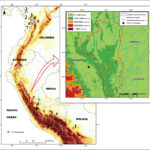
Rhinella yanachaga is endemic exclusively to the central Peruvian Andes, occurring particularly in isolated mountainous regions. Primarily found within Yanachaga-Chemillén National Park, its documented distribution remains limited, suggesting a highly localized and specialized range. Such restricted geographic specificity increases its vulnerability and underscores the critical importance of habitat preservation and protection in these rapidly changing climates.
Habitat Preferences#
The Yanachaga toad inhabits a highly specialized ecological niche—cloud forests located approximately between 2,000 and 3,000 meters above sea level. This unique and mesmerizing environment is defined by a persistently moist microclimate, perpetually cloaked in layers of dense fog and mist. Moss-covered tree trunks, beds of damp leaf litter, and lush understory vegetation create a fairytale-like setting that suits Rhinella yanachaga perfectly.
This species preferentially chooses humid terrestrial habitats, often sheltering beneath dense forest debris, fallen logs, and rocky crevices for protection from predators and to retain body moisture. Given the constantly moist surroundings, the forests inhabited by Rhinella yanachaga become ideal breeding grounds, enabling the amphibian’s delicate eggs to thrive in a gently buffered microclimate.
Physical Characteristics#
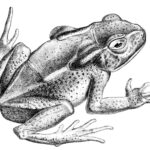
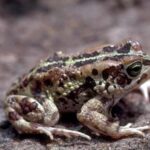
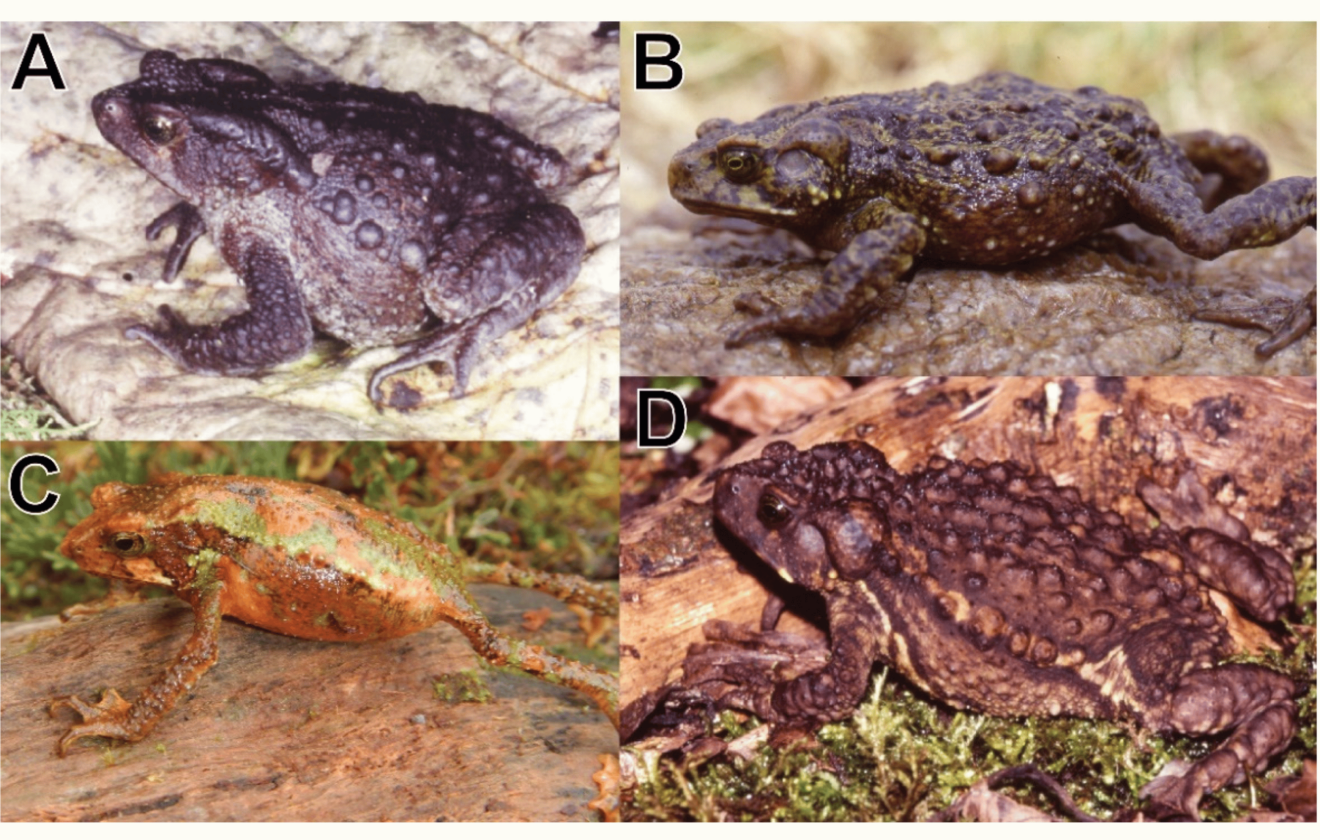
At first glance, Rhinella yanachaga may not immediately capture attention with flashy colors; instead, its charm lies in its subtle adaptations and understated beauty. Adults typically showcase a muted color palette ranging from earthy browns and greens to shades of olive and gray. Its coloration, adorned with faint irregular patterns and blotches, provides excellent camouflage, enabling viewers to appreciate the remarkable evolutionary advantage of subtlety and discretion amidst the verdant vegetation of their habitat.
Adult Rhinella yanachaga typically measure between four and six centimeters, comparatively small and compact, perfectly suited to navigating the intricate terrains of cloud forest floors. The skin texture is distinctive, characterized by rough, granular surfaces interspersed with notable warty glands. These specialized glands release distasteful substances as anti-predatory defenses—a critical adaptation for survival.
Prominent eyes with a golden-bronze hue grant them excellent vision, even in relatively dim forested conditions, whilst their sturdy limbs facilitate efficient terrestrial movement, adeptly allowing these fascinating amphibians to rapidly traverse their damp domain.
Behavior and Life Cycle#
Diet and Feeding Habits#
Like other members of the toad family, Rhinella yanachaga primarily subsists on a diet of small invertebrates, insects, and arthropods abundant on the forest floor. Opportunistic feeders, these toads exhibit deliberate, slow movements punctuated by lightning-fast strikes as they ambush their unsuspecting prey. Their stealthy hunting behavior and skillful use of camouflage showcase the intricate adaptations to the cloud forest environment.
Breeding Behavior and Reproduction#
The reproductive cycle of Rhinella yanachaga aligns directly with the seasonal dynamics of the Andean cloud forests, usually timed with the onset of the rainy season. The males vocalize distinctive calls to attract females, their resonant choruses adding an enchanting auditory dimension to rainy forest evenings. Though vivid colors are absent, these calls resonate clearly through the misty forest canopy, irresistible to attentive females.
After successful pairings, females deposit gelatinous strands of eggs in shallow pools or slow-moving streams. The careful selection of breeding sites ensures immature stages—tadpoles—can safely develop, benefiting from ample nutrients, relative safety from predation, and stable moisture-rich conditions.
Life Cycle and Tadpole Development#
The fascinating metamorphosis from tadpole to adult exemplifies one of the most intriguing facets of Rhinella yanachaga biology. Tadpoles exhibit streamlined, darkly pigmented bodies adapted for efficient underwater survival. As they mature, transformative morphological changes occur—gradually developing limbs, lungs, and terrestrial features. Eventually, young toads emerge from the waters, gradually adapting to life on land yet maintaining dependency upon moisture-rich environments.
Ecological Role#
Amphibians, including Rhinella yanachaga, perform several critical ecological functions within forest ecosystems. Serving both as predator and prey, this species maintains essential balances in biodiversity and trophic dynamics. By regulating insect populations, Rhinella yanachaga helps maintain the overall health and functionality of its forest home territory.
Moreover, these amphibians act as environmental indicators. Their sensitive skin permeability to pollutants and temperature fluctuations means changes in Rhinella yanachaga populations frequently serve as early warnings of environmental issues or ecological stressors, such as climate change or habitat degradation.
Threats and Conservation Status#
Despite its intriguing capabilities, Rhinella yanachaga faces several pressing threats, chiefly habitat loss and degradation due to human activities including logging, agriculture expansion, and infrastructure development. Additionally, changing climate patterns threaten the delicate cloud forest ecosystems that sustain its habitat, posing looming threats to biodiversity overall.
Currently, Rhinella yanachaga is listed as Vulnerable by the International Union for Conservation of Nature (IUCN). While precise population figures remain elusive and deeply challenging to quantify within inaccessible terrain, the recognized threats underline the urgency of protective and conservation actions. Within Peru, protected regions like Yanachaga-Chemillén National Park provide crucial sanctuaries and serve as vital reservoirs for preserving these intricate and fragile ecosystems.
Cultural and Scientific Significance#
For local indigenous and regional cultures, amphibians such as Rhinella species often transcend ecological roles, holding symbolic roles within cultural folklore, medicine, and ceremony. Their indirect contribution to ecological knowledge creates a greater community appreciation and reverence for maintaining intact forest resources.
From a scientific standpoint, Rhinella yanachaga plays a significant part in studies of biodiversity, ecology, and evolutionary biology within montane habitats. Its adaptations to mountainous cloud forest niches contribute importantly to our understanding of species differentiation in high-altitude ecosystem conditions.
Conclusion: Protecting the Secretive Rhinella yanachaga#
Rhinella yanachaga is a fascinating example of Peruvian biodiversity, highlighting how even modest creatures possess tremendous ecological, cultural, and scientific significance. Its very obscurity underlines the critical need for attentive, inclusive conservation approaches. Protecting Rhinella yanachaga means preserving its unique forest homes and broader biodiversity, critical not only for amphibians but for sustaining livelihoods, climate stability, and human communities alike.
Admiring nature’s hidden heroes, like Rhinella yanachaga, encourages us to embrace deeper environmental responsibility. Let these small yet charismatic creatures inspire us toward stronger stewardship and vibrant conservation efforts to safeguard the Andes’ invaluable and remarkably fragile biodiversity heritage.