- Unveiling Rhinella nattereri: The Intriguing Life of the Cerrado’s Remarkable Toad
- Taxonomy and Classification of Rhinella nattereri
- Natural Habitat: Life in Brazil's Cerrado Realm
- Physical Characteristics: The Subtle Charm of Rhinella nattereri
- Behavior and Life Cycle: Intricate Rhythms of Survival
- Ecological Importance: Integral Guardians of Balance
- Conservation Challenges: Protecting Rhinella nattereri and the Cerrado
- Cultural and Scientific Significance
- Protecting a Treasured Cerrado Resident: A Call to Action
Unveiling Rhinella nattereri: The Intriguing Life of the Cerrado’s Remarkable Toad#
Amid the sprawling grasslands, savannas, and gallery forests of Brazil’s Cerrado biome, the delicate twilight is often punctuated by an orchestra—a chorus of subtle calls and chirrups echoing through the cool air. Among these nocturnal symphonists emerges a humble yet distinct performer: the Rhinella nattereri, also known as Natterer’s Toad. Named after Johann Natterer, a 19th-century Austrian naturalist famed for his extensive exploration of Brazilian wildlife, this fascinating amphibian holds intrigue not just for its curious appearance, but for its integral role within Brazil’s unique ecosystems.
While frogs and toads may capture imaginations through their variety and abundance, Rhinella nattereri stands apart due to its ecological adaptations, distinctive defensive strategies, and intrinsic connection to the sensitive balance of Cerrado ecosystems. Join me on a journey into the natural history of this extraordinary species, a creature whose gentle croak belies the resilience and ecological importance it embodies.
Taxonomy and Classification of Rhinella nattereri#
The Rhinella nattereri resides comfortably within the family Bufonidae, or true toads—a family much celebrated for its adaptability, resilience, and global presence. Within the genus Rhinella, members are characterized by their medium-to-large sturdy bodies, distinct parotoid glands, and unique toxin-producing capacities. Rhinella comprises around 90 recognized species, primarily distributed in South and Central America, yet none perhaps quite so emblematic of Brazil’s threatened Cerrado biome as Rhinella nattereri.
Formerly categorized under the genus Bufo—indeed, many toads today were historically labeled so—the revision to Rhinella occurred with refined genetic analyses, underscoring the diverse evolutionary histories that surround these remarkable amphibians. Closely related species, including Rhinella marina and Rhinella schneideri, also play significant ecological roles in their own habitats. However, Rhinella nattereri distinguishes itself with unique physical adaptations and behaviors suited specifically to its Cerrado home.
Natural Habitat: Life in Brazil’s Cerrado Realm#
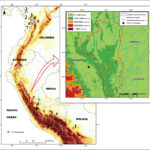
The Cerrado biome, simultaneously breathtaking and vulnerable, stretches expansively across Brazil, touching into Bolivia and Paraguay. Characterized by savannas, grasslands, and gallery forests cradling freshwater streams and occasional rocky outcrops, the Cerrado is a hotspot of biodiversity second only to the Amazon. Rhinella nattereri finds itself perfectly adapted to these diverse micro-habitats, thriving amid complexity, variation, and periodic climatic challenges.
Ideal Ecological Niche#
Inhabiting moist environments such as wetlands, grassland regions near streams, and gallery forests lining rivers, Natterer’s Toad demonstrates impressive ecological versatility. The loose, sandy soils and leaf litter carpeting the Cerrado provide shelter from intense midday heat, allowing this nocturnal creature to conserve water and energy through periods of harsh drought. As dusk falls, Rhinella nattereri emerges from shallow burrows or beneath leaf layers to engage actively in hunting and mating.
A Delicate Environmental Dance#
In these streams and forests, Rhinella nattereri’s survival becomes entangled in a delicate dance of predator and prey. Rich insect life ensures food availability; conversely, maintaining predator vigilance—against snakes, birds, and mammals—is vital to survival. Hence, pristine, interconnected habitats are critical both for daily sustenance and successful reproduction, magnifying each habitat disruption into a potential ecological ripple.
Physical Characteristics: The Subtle Charm of Rhinella nattereri#
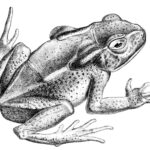
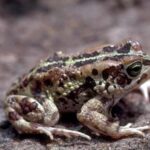
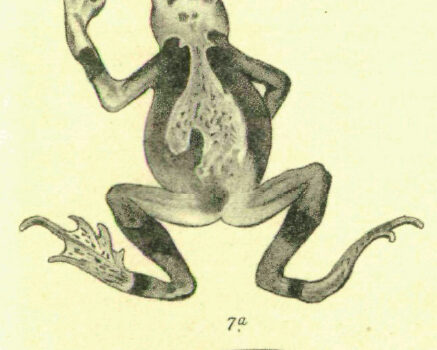
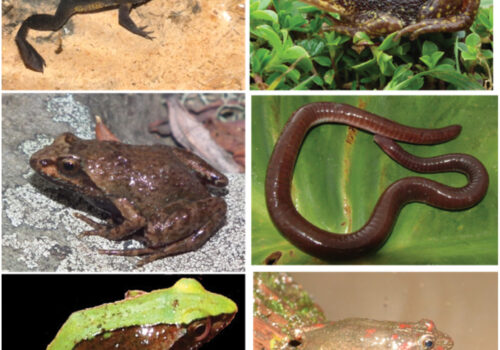
Upon close examination, Rhinella nattereri displays a charming, utilitarian beauty. Typically, these toads measure around 6 to 9 centimeters in length—modestly sized yet built sturdily, characteristic of the Rhinella genus. The body proportions, with stocky limbs, a squat head, and robust torso, suit their terrestrial lifestyle, enabling efficient burrowing and ambulation across diverse terrain.
Colors of Survival: Camouflage and Defense#
Their coloration primarily comprises mottled browns, olive greens, grays, and ochres—complex hues reflecting the Cerrado’s earthy palette. Carefully evolved blotches and patterns blend effortlessly into the leaf litter, reducing vulnerability to predators. This camouflage not only facilitates stealthy hunting of nocturnal insects but provides an essential first line of defense during daytime rest.
But Rhinella nattereri’s most intriguing adaptation involves its skin—particularly prominent parotoid glands behind its eyes. These glands produce secretions containing powerful bufotoxins, a formidable chemical deterrent against predators. While harmless to humans in casual contact, the toxin can irritate sensitive membranes and deter predators after initial experience—an ingenious evolutionary trait assuring survival.
Behavior and Life Cycle: Intricate Rhythms of Survival#
Come nightfall, Rhinella nattereri embarks on its vital routines—hunting, mating, and territorial maintenance. The toads actively patrol leaf litter and edges of water bodies, diligently searching for small prey items—primarily insects such as beetles, ants, and termites. Their wide mouths and sticky tongues effortlessly grasp prey from above leafy carpets.
A Symphony of Courtship#
Perhaps no behavior proves as captivating as the breeding season chorus. Triggered largely by seasonal rains heralding favorable breeding conditions and temporary water-filled pools, males congregate near pond banks and flooded depressions, emitting soft yet characteristic calls—a melodious croak distinct to vigilant listeners. These resonant choruses draw prospective female mates, sparking gentle competition among rival males, orchestrating dance-like dashes towards female arrivals.
The ensuing amphibian amplexus—structured mating embrace—results in gelatinous eggs floating or attached to submerged vegetation. Eggs soon hatch into tadpoles whose metamorphosis is temperature and resource-dependent, generally taking weeks to months. Transparent underwater, these gatherings of tadpoles form dynamic miniature communities eager to surface as resilient juvenile toadlets.
Ecological Importance: Integral Guardians of Balance#
Every species claims a unique role within its ecosystem—an ecological niche ensuring vital balance. Rhinella nattereri, like many amphibians, is both predator and prey, creating necessary ecological links connecting trophic levels and crucial nutrient cycles. Adept insect-hunters, these toads serve important ecosystem services—controlling insect population spikes naturally, implicitly assisting human agricultural endeavors by reducing pest prevalence.
Furthermore, as prey items for snakes, larger birds, and carnivorous mammals, Rhinella nattereri populations support higher-level predators, thereby maintaining integral predator-prey stability. Amphibians also function as invaluable indicator species, reflecting ecosystem health due to permeable skin and aquatic-dependant breeding habits—thus signaling wider environmental changes to attentive conservationists.
Conservation Challenges: Protecting Rhinella nattereri and the Cerrado#
Despite their critical ecological value, Rhinella nattereri confront increasing threats, notably habitat degradation and fragmentation. Rapid agricultural expansion for soybean and cattle farming, intense urbanization, and subsequent habitat loss impose dire constraints on surviving populations. Moreover, pollution from agricultural runoff, pesticides, and industrial activities exacerbates vulnerability due to sensitive amphibian physiology.
Climate change, bringing unpredictable rainfall and increased drought frequency to the Cerrado, further complicates local amphibian life cycles dependent on waters triggered by seasonal rains. While Rhinella nattereri is currently classified as Least Concern by the IUCN—primarily due to its wide distribution and relative abundance—rapid environmental transformations could swiftly threaten localized populations unless proactively managed and conserved.
Cultural and Scientific Significance#
Beyond ecological roles, Rhinella nattereri carries cultural significance. Indigenous communities within the Cerrado recognize amphibians as essential environmental companions, symbols of environmental rhythms critical to their lifestyle. Scientifically, the species’ toxins offer fascinating biochemical explorations—potential sources for novel medicinal compounds, antibacterial agents, or pain-alleviating substances awaiting discovery by pharmaceutical research.
Protecting a Treasured Cerrado Resident: A Call to Action#
The subtle beauty and fascinating adaptations of Rhinella nattereri underscore a broader narrative—our profound interconnectedness with local and global ecosystems. Safeguarding species such as Natterer’s Toad inevitably preserves the Cerrado’s invaluable biodiversity, benefiting countless species, including ourselves. Whether through habitat restoration, responsible agriculture, conservation education, or supporting local initiatives, your engagement becomes vital in protecting both Rhinella nattereri and its irreplaceable home.
Let this humble toad remind us: each organism holds unique stories, waiting eagerly beneath leaf litter or beside moonlit streams, patiently imploring us to pause, observe, and ultimately preserve the balance of our natural world.