- Exploring the Wonders of Rhinella veraguensis, Central America's Enigmatic Toad
- Introduction: Meet the Veragua Toad
- Taxonomy and Classification: A Closer Look at Rhinella veraguensis
- Natural Habitat: Navigating Lush Tropical Realms
- Physical Characteristics: Charming, Subtle, and Perfectly Adapted
- Behavior and Life Cycle: Secrets of a Forest Wanderer
- Ecological Role: Indicators of Ecosystem Health
- Threats and Conservation Status: Facing Challenges in a Changing World
- Cultural and Scientific Significance: Our Amphibian Allies
- Conclusion: Bridging Knowledge, Awareness, and Action
Exploring the Wonders of Rhinella veraguensis, Central America’s Enigmatic Toad#
Introduction: Meet the Veragua Toad#
Hidden away in the verdant undergrowth of Central America’s tropical rainforests lurks a toad of humble charm and understated beauty—Rhinella veraguensis, commonly known as the Veragua Toad. Some creatures command attention through striking colors or imposing size; others, like our small, warty friend, attract fascination through quiet resilience and ecological harmony. Classified within the family Bufonidae, Rhinella veraguensis distinguishes itself through adaptability and intriguing behavioral traits that have quietly captured the hearts of enthusiasts and conservationists alike.
Did you know that despite appearing rather ordinary at first glance, the Veragua Toad plays a significant role as an ecological indicator, its presence—or worrying absence—revealing much about environmental health? Join us as we journey into the rich, mist-veiled forests these creatures call home, bringing to life the vivid, often unseen drama of their daily lives.
Taxonomy and Classification: A Closer Look at Rhinella veraguensis#
The scientific story of the Veragua Toad begins with its taxonomic identity. Originally described as Bufo veraguensis, it later transitioned to its current classification, reflecting revisions in amphibian nomenclature. Belonging to the diverse genus Rhinella, these toads are closely related cousins to other familiar Central and South American toads, famed for their hardy nature and adaptability to varied environments.
Rhinella veraguensis is part of a lineage that includes some of the most resilient amphibians known to science. Such resilience, shaped by evolutionary pressures, grants these creatures remarkable adaptability in the face of dramatic ecological shifts within their range.
Natural Habitat: Navigating Lush Tropical Realms#
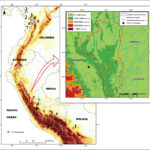
From coastal Caribbean lowlands to cloud-shrouded rainforests and foothills nestled in the Cordillera ranges, the habitat of Rhinella veraguensis spans geographic regions from Nicaragua, Costa Rica, Panama, and into northwestern Colombia. These areas offer wetlands, streamsides, and leaf-littered forest floors drenched by frequent rains, sustaining an ecosystem characterized by luxuriant vegetation and vibrant biodiversity.
Within this tapestry of life, the Veragua Toad occupies a crucial ecological niche, typically favoring moist forests at elevations ranging from sea level to approximately 1500 meters. Here, twilight rainfall provides the ideal setting for their nocturnal wanderings, when individuals silently emerge from hiding spots beneath logs, leaf litter, and rocky outcroppings.
Immersed in these moist, shadowed environments, this amphibian’s presence subtly yet profoundly influences food webs and ecosystem processes—an often overlooked, yet indispensable, participant in nature’s delicate balance.
Physical Characteristics: Charming, Subtle, and Perfectly Adapted#
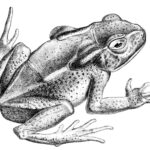
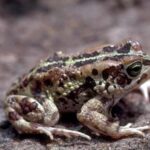
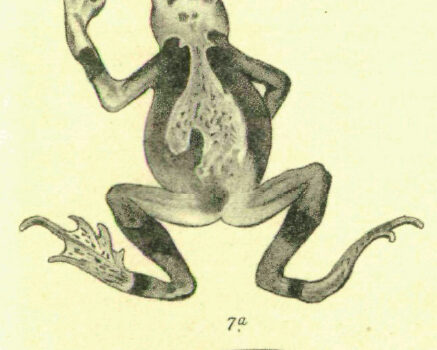
Upon first glance, the Veragua Toad may seem understated: it is a modestly-sized amphibian, typically measuring between 35–60 millimeters in length from snout to vent. Its body is robust, rounded, and characteristically warty, with granular skin featuring irregular patterns of mottled browns, olive-greens, and subdued grays. Such earthy coloring ensures a near-perfect camouflage among fallen leaves and soil textures, rendering the toad nearly invisible to surrounding predators in its typical woodland backdrop.
Their eyes are large and expressive, equipped for excellent night vision—essential for their nocturnal lifestyle. Prominent parotoid glands behind the eyes secrete unpalatable toxins that protect the toad against a variety of predators, including snakes and small mammals. While these toxins pose little threat to humans who handle them respectfully, their presence underscores the amphibian’s intricate suite of evolutionary defenses.
Behavior and Life Cycle: Secrets of a Forest Wanderer#
Nocturnal Foraging and Dietary Preferences#
With nightfall, the otherwise quiet forest floor transforms into vibrant activity, though this subtle theater remains largely hidden from human eyes. Armed with sticky tongues and sharp visual prowess, the Veragua Toad moves carefully, feeding on insects, spiders, ants, beetles, and other invertebrates that permeate its humid environment. Its diet helps keep in check pest insect populations, greatly benefiting the delicate rainforest ecosystem.
Mating Rituals: Song and Silence in the Rainforest#
During breeding seasons—sparked by heavy seasonal rains—males congregate near shallow ponds or slow-moving streams, their resonant, rhythmic calls piercing the humid night air. While individually modest in volume, collectively these choruses create a mesmerizing soundtrack symbolizing renewal and seasonal cycles. Females, attracted by specific calls, select mates carefully, discerning quality through vocal capability and dominance signals displayed during competition.
After mating, females lay long gelatinous strings of eggs anchored to submerged vegetation in ponds and temporary pools. Within a few days, tadpoles hatch, beginning their precarious journey of growth and transformation, the still waters nurturing them until metamorphosis transforms them into tiny replicas of their terrestrial, rugged parents.
Defensive Strategies and Survival#
Under threat, these toads typically rely first on their camouflage. If detected, however, their second line of defense—the secretion of distasteful toxins—is quickly deployed from glands on their skin. These toxins discourage many predators from pursuing them further, providing protective leverage in a competitive environment filled with natural dangers.
Ecological Role: Indicators of Ecosystem Health#
The significance of Rhinella veraguensis extends beyond its small physical size. As both predator and prey, the Veragua Toad maintains healthy insect populations and supplies nourishment for higher-level predators—birds, snakes, and even larger mammals. Equally crucial, amphibians like this toad serve as indicators of environmental quality, their permeable skin and sensitivity making them among the earliest animals impacted by water and air pollutants.
The continued presence of robust populations within their native regions indicates balanced, healthy ecosystems, an interconnected biological tapestry where each creature plays an intricate role.
Threats and Conservation Status: Facing Challenges in a Changing World#
While currently classified by the International Union for Conservation of Nature (IUCN) as a species of Least Concern, Rhinella veraguensis is nonetheless vulnerable to numerous threats that loom ominously over Central America’s delicate natural environments. Habitat destruction, whether due to logging, agricultural expansion, or residential development, steadily encroaches on their vital habitats. Climate change, too, is an ever-increasing danger—altering rainfall patterns, shifting climatic zones, and reducing breeding opportunities.
Environmental pollutants and invasive species further compound these challenges. Though currently resilient, ecological warning signs emphasize the critical importance of habitats conservation and vigilant ecological monitoring to safeguard their future.
Cultural and Scientific Significance: Our Amphibian Allies#
In indigenous and regional folklore, toads like Rhinella veraguensis have long symbolized renewal, rains, and fertility. Their distinct breeding choruses signal to local communities the approaching rainy season, essential for agriculture and human livelihoods. Scientifically, these toads play invaluable roles in studies of amphibian resilience, toxin evolution, and ecosystem health assessments, deepening our understanding of nature’s intricate interconnections.
Researchers continue to discover biochemical compounds within toad poisons that offer potential for medical discoveries, highlighting the practical importance of preserving biodiversity.
Conclusion: Bridging Knowledge, Awareness, and Action#
Though easily overlooked, the Veragua Toad encapsulates the beauty of subtlety, resilience, and ecological interconnectedness. Protecting Rhinella veraguensis means safeguarding entire habitats, ecosystems, and myriad other hidden creatures that coexist alongside them.
We invite you, nature enthusiasts and conservation advocates alike, to explore further, help raise awareness, support local conservation efforts, and ensure future generations can continue reveling in the naturally orchestrated evening choruses of this remarkable creature and the vibrant environments they represent.