- The Cane Toad (Rhinella horribilis): An Intriguing Tale of Survival, Adaptation, and Ecological Impact
The Cane Toad (Rhinella horribilis): An Intriguing Tale of Survival, Adaptation, and Ecological Impact#
Under the hush of dusk, as twilight softly descends over the humid tropical forests of Central America, echoes of guttural croaks reverberate through the twilight. These deep, resonant calls belong to one of the most notorious amphibians in the world—Rhinella horribilis, commonly known as the Cane Toad. With its robust body, rugged demeanor, and an almost mythical reputation, this creature embodies a fascinating intersection of survival, adaptability, and ecological complexity.
Reigning as one of the largest toad species in the world, the Cane Toad holds immense importance scientifically, ecologically, and culturally. Infamously invasive yet undeniably captivating, it boasts a fascinating evolutionary tale; a creature adapting to and reshaping its environment wherever it hops. Join us as we venture into the vibrant worlds and wild secrets that define the remarkable life of Rhinella horribilis.
Taxonomy and Classification#
Rhinella horribilis, also previously referred to as Bufo marinus, belongs to the Bufonidae family—familiarly known as the true toads. Its genus, Rhinella, encompasses species noted for their warty skin, short limbs, and profound parotoid glands that secrete potent toxins. The scientific epithet “horribilis,” meaning dreadful or frightening, hints at human attitudes toward the toad’s formidable defense mechanisms.
Taxonomic studies have noted close relationships between the Cane Toad and other species within the genus, such as Rhinella marina. Indeed, intricate morphological and genetic assessments continue refining our understanding of distinctions among closely related species, reflecting the ever-evolving tapestry of amphibian life on our planet.
Natural Habitat#
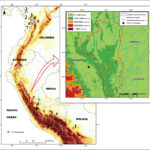
Extending across regions from southern Texas through Central America and deep into the Amazon basin, the Cane Toad naturally graces an enormous and biologically diverse swath of the Americas. Habitats range from humid lowland forests and open grasslands to swampy marshes and agricultural areas, reflecting the species’ versatile adaptability.
A World Shaped by Rain and Warmth#
Stepping quietly through the lush rainforest understory brimming with life, one may spot a Cane Toad blending incongruously into leaf litter or sitting patiently near shallow pools. These amphibians thrive best in warm, moist environments where water is abundant—an essential requirement for breeding and laying eggs. Puddles formed by soaking rainfall, edges of slow streams, and even temporary pools created by sudden tropical downpours provide ideal spawning habitats where egg strands, numbering into thousands, float lazily awaiting transformation.
This habitat preference extends even further to human-influenced landscapes. Sugarcane plantations, from which their common English name derives, were artificially enhanced habitats for Cane Toad introduction and expansion, notably in regions like Australia, inadvertently reshaping entire ecosystems. Thus, the Cane Toad demonstrates unparalleled adaptability in utilizing available environments for survival and proliferation.
Physical Characteristics#
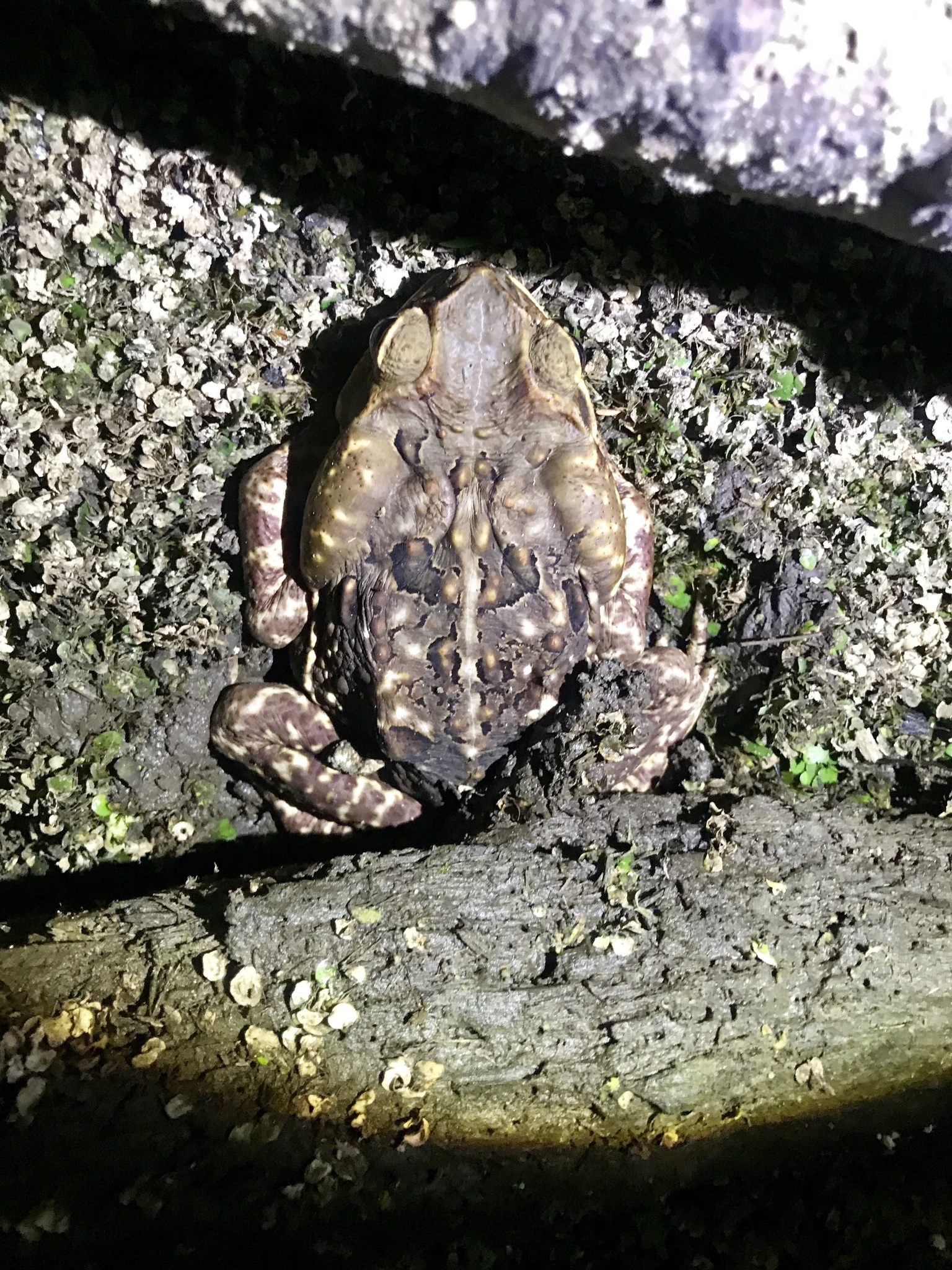
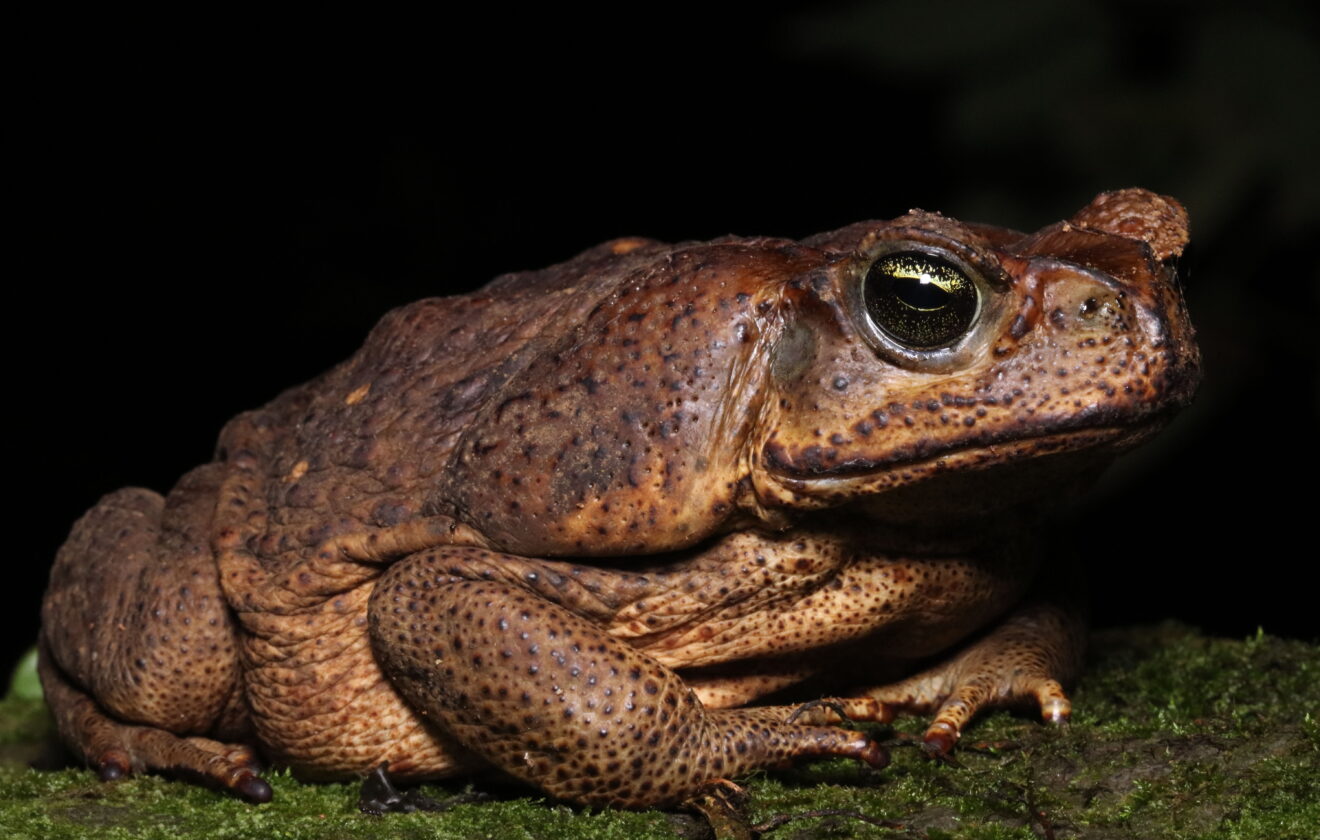
Characterized by a stout, robust shape, the Cane Toad is nothing short of imposing among amphibians. Adults often measure between 10 and 15 centimeters, with outstanding individuals reaching lengths up to 24 centimeters—roughly equivalent to the span of a human hand. Their rugged skin, covered in prominent warts, ranges in hues of olive and brown to orange tones, providing a natural, cryptic camouflage within leaf litter and soil.
Adaptations for Survival: Parotoid Glands and Potent Toxins#
Perhaps its most recognizable physical attribute lies directly behind its bulging golden eyes: oversized parotoid glands. These glands secrete a cocktail of powerful toxins collectively called bufotoxin—a formidable chemical defense potent enough to deter most would-be predators.
This toxic secretion, milky white and viscous, contains cardiotoxic and neurotoxic compounds, rendering the Cane Toad a dangerous meal choice. Though harmlessly eating insects and small animals itself, predators naïve to its defense mechanism frequently experience severe reactions upon ingesting these toxins. As such, its physical adaptations serve as highly efficient tools of survival, maintaining predator-prey dynamics and ecological balance in native ecosystems.
Behavior and Life Cycle#
The life story of the Cane Toad unravels amid cycles of rain, warmth, and abundance. When storms drench the forest, subtle shifts occur in the toads’ behavior, signaling the start of their reproductive season. Male Cane Toads congregate near suitable water bodies, embarking on a nocturnal chorus—low, droning calls that resonate through the humid night, attracting females from far-reaching locales.
A Life Begins in Water#
Mating occurs via the common amphibian process known as amplexus, where males clasp onto females with muscular forelimbs, fertilizing long strings of gelatin-covered eggs deposited into shallow waters. Each female can lay upwards of 30,000 eggs in a single breeding period. Tadpoles emerge promptly—small, black, and voraciously feeding on algae and aquatic detritus, undergoing rapid growth amidst watery nurseries.
From Pond to Land: Juvenile Development and Lifestyle#
The tadpoles exemplify fierce competitiveness—outcompeting other amphibian larvae through sheer numbers and resilience. Within mere weeks, legs sprout, tails shrink, and juveniles venture onto land, their voracious appetites now directed toward insects and small terrestrial prey. A single Cane Toad may consume an astonishing variety of beetles, grasshoppers, small frogs, occasional rodents, and even dog food left unattended by humans. To maintain hydration in drier conditions, they adopt nocturnal foraging patterns, returning to shelters beneath logs, leaf litter, and subterranean burrows during the daytime heat.
Ecological Role#
In native habitats, Rhinella horribilis plays several essential ecological functions. Primarily insectivorous, Cane Toads control populations of agricultural pests, an attribute mistakenly perceived as crucial in their widespread introduction programs. However, their generalist diet means they also consume beneficial and native insects, small mammals, and local amphibians—a double-edged sword in ecosystem management.
The Cane Toad itself provides sustenance for specialized predators that have evolved mechanisms to avoid its toxic defense. Opossums, certain snakes, and birds exhibit learned behaviors, avoiding poison glands and consuming the less toxic internal organs. Because toads absorb chemicals readily through their skin, they also act as indicators of environmental contaminants, providing valuable insight into habitat pollution and broader ecosystem health.
Threats and Conservation Status#
Despite its adaptability and widespread occurrence, Rhinella horribilis faces ecological pressures familiar to many amphibians. Habitat degradation, pesticide exposure, and the growing reality of climate change pose significant risks. Amphibian chytrid fungal infection, rapidly devastating global frog and toad populations, remains an unknown threat to the Cane Toad, though its widespread populations ensure considerable resilience.
An Unwanted Guest: Cane Toad Invasions#
The Cane Toad’s vigorous expansion outside its native range—most notably in Pacific regions, Australia, and parts of Florida—has dramatically reshaped invaded ecosystems. Native predators unfamiliar with its toxicity suffer severe population declines. Conservationists and ecologists grapple with effective methods of limiting its invasive spread, aiming to mitigate ecological damage through targeted education, barrier strategies, and comprehensive wildlife management programs.
Cultural and Scientific Significance#
Throughout millennia, native peoples view these amphibians with a mix of reverence, wariness, and fascination. Indigenous narratives often cite the Cane Toad as a symbol of regeneration and resilience owing to its dramatic metamorphosis from aquatic larva to terrestrial adult. Scientifically, Cane Toads have offered remarkable insights into metabolic function, toxicology, pest control implications, and invasion biology. Researchers studying bufotoxins explore potential medicinal applications ranging from pain management to cardiac medicine—unlocking secrets rooted within this amphibian’s evolutionary past.
Conclusion: Learning, Respecting, and Conserving the Cane Toad’s Complex Story#
The Cane Toad, Rhinella horribilis, exemplifies beauty in natural adaptability and danger in uncontrolled introduction. Its story intertwines survival tactics perfected by evolution with lessons vital to biodiversity conservation worldwide. By understanding and respecting the impressive yet perilous traits inherent to this amphibian, we build deeper awareness about interconnected ecosystems and our responsibility toward biodiversity stewardship.
As conservation advocates, budding naturalists, students, and wildlife enthusiasts, appreciation for the species’ ecological importance should motivate actions safeguarding global biodiversity—even creatures universally misunderstood as Rhinella horribilis. Let its story encourage deeper inquiry, responsible conservation advocacy, and continued exploration into the vibrant world of amphibians.