- Unveiling Rhinella unapensis: Discovering the Hidden World of the Leaf-Litter Toad
- Taxonomy and Classification: Placing Rhinella unapensis in Context
- Exploring the Natural Habitat: Life Among the Leaf Litter
- Physical Characteristics: The Art of Cryptic Adaptation
- Behavior and Life Cycle: A Nighttime Symphony of Survival
- Ecological Role: Subtle Guardians of Amazonian Health
- Threats and Conservation Status: Protecting a Hidden Jewel
- Cultural and Scientific Significance: Lessons from Leaf-Litter Toads
- Conclusion: Preserving an Unseen Treasure
Unveiling Rhinella unapensis: Discovering the Hidden World of the Leaf-Litter Toad#
Deep within the lush greenery of South America’s rainforests, amidst layers of dampened leaves and shaded, moss-covered roots, a quiet story powerful enough to captivate ecologists and nature enthusiasts alike unfolds every night. Here, sheltered from inquisitive eyes and cloaked by the comforting darkness, lives Rhinella unapensis, a fascinating yet little-known frog species whose compelling habits and intricate adaptations are only beginning to be understood.
Known primarily from regions surrounding the upper Amazon basin, Rhinella unapensis, colloquially referred to as the Unapensis Toad, remains inconspicuously nestled within the rich tapestry of tropical biodiversity. Its secretive life among fallen foliage and delicate forest floor microhabitats has shaped this creature into an enigmatic participant in rainforest ecology, an amphibian whose subtle presence belies its significant ecological role.
But what indeed makes Rhinella unapensis so compelling to biologists and conservationists alike? Perhaps more intriguingly, how might understanding the survival secrets of this humble toad shed light upon broader ecological concerns facing Earth’s invaluable rainforests?
Taxonomy and Classification: Placing Rhinella unapensis in Context#
To comprehend any creature’s way of life, we first embark upon an exploration of lineage. This species belongs to the venerable family Bufonidae—the true toads—a diverse amphibian family comprising several hundred species worldwide. Within Bufonidae, the genus Rhinella stands out prominently, housing numerous distinctly adapted species thriving across the Americas.
The specific epithet “unapensis” is drawn from the Río Unap region in Peru, highlighting the area where researchers first described this elusive amphibian in meticulous scientific detail. Officially named and described in the latter half of the 20th century, Rhinella unapensis belongs to a fascinating assemblage of Amazonian amphibians adapted exquisitely to their damp, leaf-strewn environs.
Its closest relatives within the genus share their love of forested habitats and damp places. However, even amongst closely allied toads, Rhinella unapensis occupies a distinctly niche-oriented lifestyle, a testament to the intricate specialization occurring in amphibian evolution amid the outstanding ecological complexity of tropical rainforests.
Exploring the Natural Habitat: Life Among the Leaf Litter#
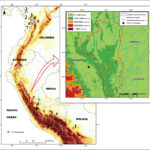
Venturing beneath the towering canopies along upper Amazonian basins—stretching across parts of Peru, Colombia, Ecuador, and Brazil—the keen observer may find the real theater of Rhinella unapensis’s existence revealed, though subtly so. Unlike the flamboyant tree frogs whose nightly chorus fills the air, R. unapensis’s habitat is quieter, humbler, yet infinitely compelling.
Favoring the dark, moisture-rich microhabitats blanketed by leaf litter, this cryptic frog thrives in humid zones adjacent to pristine waterways and streams cutting through dense forests. Such habitats offer not only suitable breeding grounds but also harbor the nourishment needed to sustain its quiet yet voracious lifestyle.
Walking carefully through their habitat is like traversing nature’s own carpeted sanctuary. Each step presses against the spongy floor rich in decomposing foliage and vibrant fungi, all part of a delicate ecosystem sustained through elaborate nutrient cycling. Within this niche, Rhinella unapensis reveals its elegant ecological purpose: an active participant in the organic matter breakdown process and a vital regulator within food webs.
These damp microhabitats remain at constant risk—from human encroachment to climate disruptions. Exploring the intimate relationship between Rhinella unapensis and its leaf-litter habitat underscores the urgency in protecting such overlooked but ecologically essential surfacing zones in Amazonian ecosystems.
Physical Characteristics: The Art of Cryptic Adaptation#
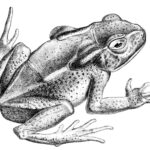
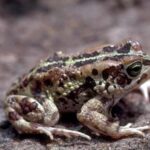
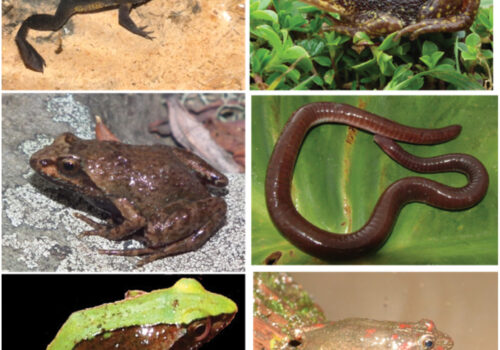
To the untrained eye, glimpsing Rhinella unapensis may prove quite challenging. A masterwork of natural camouflage and cryptic coloration, this remarkable amphibian possesses physical traits designed to perfectly blend with fallen foliage, roots, and damp timber.
An adult Rhinella unapensis typically measures around 2 to 4 centimeters, a modest size perfectly suited to maneuvering amid tangled debris and hidden refuges. The skin, coarse and textured to the touch, displays various shades ranging from subdued earth tones to mottled nuances of chocolate, sepia, olive, and russet—extraordinary mimicry allowing it nearly perfect concealment. This coloration is not mere coincidence; it is a lifesaving adaptation forged through countless generations of selective pressures from predators.
The eyes, alert and expressive, emerge seemingly of darkness itself, pupils dilating widely in dim forest twilight to capture every speck of available residual light. Prominent cranial crests, a hallmark of certain Rhinella species, are subtly defined along the head of this species, lending it a distinguished appearance despite its small stature. Dynamic patterns blending seamlessly with leaf litter camouflage are, for Rhinella unapensis, its foremost survival mantra in an ecosystem bustling with predation.
Behavior and Life Cycle: A Nighttime Symphony of Survival#
When darkness cloaks the Amazonian forests, Rhinella unapensis stirs into determined activity, guided primarily by olfactory and acoustic cues, venturing from secure daytime shelters under logs or leaf litter into the openness of the forest floor. This strictly nocturnal existence enhances its ability to evade predators while hunting equally cryptic prey—primarily insects, spiders, and small invertebrates abundant in a thriving tropical rainforest.
The hunting technique employed by these diminutive survivors is one of patient calculated stealth. By relying on sit-and-wait strategies, Rhinella unapensis ambushes unsuspecting arthropods wandering too close. Equipped with powerful hind limbs designed for short rapid movements and accurate lunging strikes, this unobtrusive predator skillfully maintains population balance within its ecosystem.
Reproductive Behavior and Development#
When rainy seasons arrive with their life-giving showers, the soundscape of Rhinella unapensis changes dramatically as males vocalize a chorus subtly unique yet distinctively rhythmic, each call a tiny whisper resonating throughout the leaf-strewn realm. The mating serenade is not a loud booming declaration but rather a reserved, gentle trilling; a sonic meditation announcing inevitably transient yet precious opportunities for procreation.
Following successful courtship rituals, females lay gelatinous masses of eggs concealed within moist, secluded microhabitats—slow-moving streams, ephemeral forest pools, or puddles collected in leaf axils. Tadpoles of R. unapensis develop moderately swiftly, racing against the drying conditions of their temporary waterworlds. Survivors metamorphose into tiny adult replicas before venturing into the protective secrecy offered by the thick leaf litter layer.
Ecological Role: Subtle Guardians of Amazonian Health#
While they may elude prominent attention, populations of Rhinella unapensis fill ecological niches critical to forest health and vitality. By consuming vast quantities of invertebrates, these amphibians serve as significant pest control operatives within their forest territories, preventing outbreaks that could harm larger plant and animal populations.
Simultaneously, Rhinella unapensis occupies a trusted role as a prey species. Birds, reptiles, mammals, and larger amphibians depend occasionally on these frogs for sustenance. Thus, this diminutive species quietly aids in maintaining the delicate equilibrium essential to sustaining healthy biodiversity throughout its Amazonian habitat.
Threats and Conservation Status: Protecting a Hidden Jewel#
Unfortunately, the very habitats Rhinella unapensis depends upon—leaf-litter layers sustained by dense, intact rainforest—are increasingly threatened by human-driven activities. Rampant deforestation, mining activities, agricultural expansion, climate fluctuations, and pollution disrupt delicate ecological networks, placing habitat-specialist frogs under immense threat.
Currently, Rhinella unapensis’s exact conservation status remains uncertain; insufficient survey data means the species is often considered “Data Deficient” by organizations like the IUCN. Nevertheless, experts emphasize the need for habitat protection combined with ongoing research efforts to thoroughly document its populations, distributions, and conservation requirements.
Cultural and Scientific Significance: Lessons from Leaf-Litter Toads#
Culturally, Rhinella unapensis and its close relatives represent inherently rich biodiversity encapsulating the profound ecological wealth of the Amazon basin. Although obscure to popular culture, the delicate adaptative mechanisms and intricate ecological interactions offer invaluable lessons to science and conservation.
Conclusion: Preserving an Unseen Treasure#
The captivating narrative of Rhinella unapensis highlights the immense biodiversity quietly awaiting discovery within Earth’s lush forests. This humble toad, one of thousands hidden amid Amazonian leaves, prompts us urgently to protect entire ecosystems through comprehensive research, mindful conservation, and passionate education efforts.
Our call to action, therefore, remains clear: Let us continue our journey of discovery through sustainable exploration, scientific stewardship, and dedicated advocacy. Only thus can we secure the hidden treasures like Rhinella unapensis thriving silently beneath the verdant veil of the Amazon rainforest.