- The Marvelous Life of Rhinella tenrec: Madagascar's Hidden Amphibian Gem
- Taxonomy and Classification
- Natural Habitat: A Life Beneath the Leaf Litter
- Physical Characteristics of a Forest Phantom
- Behaviors and Unique Life Cycle Traits
- An Essential Ecological Role
- Threats and Conservation Efforts
- Cultural and Scientific Significance
- Conclusion: Protecting Madagascar's Unseen Treasures
The Marvelous Life of Rhinella tenrec: Madagascar’s Hidden Amphibian Gem#
The forests of Madagascar pulse with life and mystery, an unparalleled hotspot of biodiversity that captures the imagination of wildlife enthusiasts and scientists worldwide. Amidst its lush vegetation, enigmatic lemurs, and vibrant chameleons lurks a lesser-known but equally fascinating amphibian—the intriguing yet understated Rhinella tenrec. Unlike the better-known explosive-legged mantella frogs or jewel-like tree frogs often highlighted, Rhinella tenrec quietly embodies the resilience and hidden beauty of Madagascar’s intricate ecosystems. Named evocatively yet perhaps slightly misleadingly, it is apt to pique interest even among seasoned naturalists. So, let us journey into the island’s shadowy understory to uncover the secrets of one of Madagascar’s most captivating yet understated frogs.
Taxonomy and Classification#
Before exploring forest trails in search of Rhinella tenrec, it’s valuable first to understand exactly what makes this amphibian unique. Belonging to the widespread family Bufonidae—the true toads—it inhabits the genus Rhinella, a diverse group known commonly as beaked toads. Despite bearing the somewhat confusing epithet “tenrec,” which references Malagasy insectivorous mammals rather than amphibians, Rhinella tenrec finds itself in a category distinct due to distinct morphological and ecological adaptations.
The naming of Rhinella tenrec stemmed from its small-bodied structure and rough, granular skin somewhat reminiscent of Madagascar’s primitive mammal, the tenrec. Given its unique morphological traits and Madagascan distribution, Rhinella tenrec shares lineage proximity with other Rhinella species native primarily to South America, suggesting fascinating evolutionary history shaped by continental drift millions of years ago.
Natural Habitat: A Life Beneath the Leaf Litter#
Where Can Rhinella tenrec Be Found?#
This remarkable member of Madagascar’s amphibian biodiversity makes its home primarily in humid eastern rainforests, ecosystems celebrated for their staggering variety and complexity. Predominantly terrestrial, Rhinella tenrec is intricately woven into life beneath dense canopies that grant limited light, thriving in leaf-littered forest floors and damp, shaded hideaways beneath logs or stones.
From the lushly vegetated floors of Ranomafana National Park to the biologically rich forests lining Madagascar’s eastern escarpment, Rhinella tenrec thrives where moisture saturates the air, temperatures remain relatively stable year-round, and soils teem with insects and invertebrates—the lifeblood of this specialized amphibian.
A Habitat Built for Survival#
Rhinella tenrec’s selection for ground-level habitats demonstrates clear ecological adaptation: it showcases the frog’s reliance on camouflage, humidity, and abundant food supply. The dense leaf litter provides ample hiding places, shielding it from predators and retaining humidity critical to skin respiration. Driven by ecological intricacies, these frogs rarely stray far from humid microhabitats, their entire existence intricately crafted around humidity gradients and micro-environmental stability.
Physical Characteristics of a Forest Phantom#
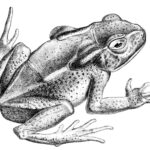
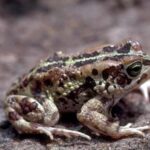
While Rhinella tenrec may lack vibrant colours or patterns common in other Madagascan amphibians, close observation reveals subtle magnificence in its form. Small and sympathetically camouflaged, adults rarely exceed 4 centimeters from snout to vent, a petite size well-suited for slipping unnoticed among fallen leaves, roots, and detritus. The skin possesses a granular texture, peppered with tiny skin pustules that contribute to its effective mimicry of weathered leaves and soil.
Coloration typically includes muted shades of brown, olive, or grey, often marked irregularly by darker mottling or speckles resembling leaf veins and patches of moss. The rough, bumpy skin further enhances camouflage, breaking up shadows and helping the frog seamlessly blend into its surroundings. These characteristics are more than cosmetic; the cryptic exterior helps Rhinella tenrec evade predators and remain concealed from prey as it patiently waits, motionless, for passing insects to wander within striking distance.
Behaviors and Unique Life Cycle Traits#
A Quiet Hunter of the Forest Floor#
Stealth and patience define Rhinella tenrec’s hunting style. Unlike many tree frogs that exhibit acrobatic leaps and quick movements, Rhinella tenrec maintains a sedentary yet vigilant posture, relying primarily on ambush to procure food. Feeding primarily on ants, spiders, beetles, and other small arthropods common among leaf litter ecosystems, it leverages cryptic coloration and a quiet disposition, motionless for significant periods before propelling forward sharply to capture unsuspecting prey with precision.
Mating Rituals and Reproductive Wonders#
Reproduction in amphibians is always remarkable, but Rhinella tenrec’s lifecycle offers elegant yet unobtrusive wonder. During the humid months—typically coinciding with Madagascar’s rainy season—males emit subtle, melodic calls at dusk and into the night, harmonizing with the forest’s acoustic symphony. While their vocalizations lack the elaborate choruses of tree frogs or ornate mantellas, the soft croaking notes, accented by occasional discreet trills, effectively attract mates within their shaded, leaf-littered territories.
The females carefully deposit gelatinous strings or clusters of eggs in shallow, ephemeral pools formed by heavy rains and forest runoff. Protected yet temporary, these water bodies nurture the development of sensitive tadpoles. Larval Rhinella tenrec hatch quickly, morphing from aquatic tadpoles breathing through gills into terrestrial adults within weeks—an essential evolutionary adaptation allowing quick exploitation of brief forest pools that vanish with the onset of dry conditions.
An Essential Ecological Role#
A Crucial Link in the Forest Food Web#
As urbanisation and deforestation encroach upon many Madagascan habitats, the understanding of essential, often invisible ecological actors like Rhinella tenrec becomes increasingly vital. At its core, this small amphibian serves as both predator and prey, balancing insect populations and providing nourishment to various forest dwellers. Avian predators such as ground-foraging birds and reptiles regularly include Rhinella tenrec in their diets, and in turn, the frogs actively regulate pest insect populations, maintaining ecological equilibrium.
An Environmental Sentinel#
Equally significant, amphibians worldwide—including Rhinella tenrec—act as barometers for ecosystem health. Due to permeable skin, they swiftly absorb contaminants and readily react to environmental stressors such as pollution, habitat fragmentation, and climate shifts. Thus, declining populations may signal broader ecological disturbances, emphasizing holistic importance beyond apparent observational allure.
Threats and Conservation Efforts#
Challenges Facing Rhinella tenrec#
Currently, Rhinella tenrec faces considerable pressures, chiefly habitat fragmentation, deforestation for agricultural expansion, mining, and logging operations dramatically shrinking available rainforest habitat. Climate change, introducing erratic rainfall patterns and altering seasonal moisture availability, equally poses a looming threat, complicating mating cycles and drying essential breeding sites prematurely, harming tadpole survival.
Conservation Actions and Future Prospects#
Concerted efforts increasingly center around protecting and restoring Madagascan rainforest habitats while holistically safeguarding wildlife. National park systmes, including Ranomafana and Masoala National Parks, represent encouraging steps toward habitat security, actively monitored by local and global conservation groups. Outreach programs bridging local communities and conservation, habitat reforestation initiatives, and environmental education seek to preserve Rhinella tenrec alongside Madagascar’s natural treasures and biodiversity.
Cultural and Scientific Significance#
Though lacking the charisma of lemurs or vibrant poison dart frogs, Rhinella tenrec symbolizes the subtle yet essential layers of biodiversity often overlooked. Madagascar’s local cultures traditionally regarded many amphibians with symbolic fascination or caution, perceiving them as indicators of ecological health or spiritual signifiers. Recently, studies examining Rhinella tenrec and related amphibians have uncovered valuable insights about evolutionary biology, biogeography, adaptation, and biodiversity conservation, reinforcing scientific interest and advocating greater protection.
Conclusion: Protecting Madagascar’s Unseen Treasures#
Rhinella tenrec may remain obscure among Madagascar’s richly diverse species, yet its importance to ecosystem functioning, biodiversity conservation, and ecological integrity is undeniable. From its humble life amid leaf-littered shadows to its essential role as predator-prey intermediary, Rhinella tenrec exemplifies a hidden world deserving our attention, study, and protection.
Let this intriguing yet unassuming species remind us of the countless overlooked organisms underpinning planetary diversity. Support for local and international conservation efforts, engagement in educational initiatives, and ongoing scientific research remain critical to preserving Madagascar’s forests and hidden frogs such as Rhinella tenrec—ensuring future generations discover, appreciate, and protect the myriad species quietly enriching our natural world.