Introduction#
Deep in the verdant heart of Brazil’s Atlantic Forest, hidden beneath layers of fallen leaves and humid foliage, a recently described amphibian reveals its peculiar beauty. Rhinella casconi, a toad so elusive and distinct it remained unnamed until recent scientific discovery, has quickly captured the fascination of biologists and wildlife enthusiasts alike.
This intriguing toad represents more than simply another entry in amphibian taxonomy; it embodies a compelling narrative of biodiversity lingering beneath our very noses. As rain patters rhythmically on broad tropical leaves, a male Rhinella casconi calls softly, weaving his whispered song into the nocturnal symphony of the forest—a tiny maestro awaiting curious, patient ears.
Beyond its captivating charm, this species serves as a potent indicator of environmental health, holding key insights into the fragile balance of tropical ecosystems. Join us on a naturalist’s journey through its habitat, biology, behavior, and conservation story—offering a rare glimpse into a unique newcomer on the world’s amphibian stage.
Taxonomy and Classification#
The species Rhinella casconi belongs to the family Bufonidae—a diverse and widespread family of true toads known globally for their distinctive wart-covered skin and unique adaptations. Within the genus Rhinella, one discovers varied yet closely connected relatives, each adapted uniquely to their respective environments.
First described formally in 2014 by herpetologists Roberto Pontes, Mirco Solé, and their team, the naming honored prominent Brazilian biologist Dr. Paulo Cascon. Initially identified due to differences in physical morphology and genetic markers, Rhinella casconi distinguished itself subtly yet significantly from its closest counterparts, highlighting once again how much remains undiscovered within tropical biodiversity.
Natural Habitat#
The Atlantic Forest: A Precious, Fragile Home#
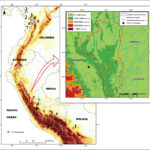
Endemic to Brazil, Rhinella casconi finds its refuge nestled in the moisture-rich, vibrant expanses of the Atlantic Forest biome of the Bahia state. Here, amidst evergreen forests blanketed by dense understory growth, this quiet dweller inhabits regions rich in leaf litter, with a preference for humid microhabitats next to streams or shaded forest floors.
The Atlantic Forest region of Brazil, though drastically reduced from its former breadth due to urbanization, farming, and deforestation, remains a biodiversity hotspot. Its intricate canopy structure filters sunlight down into dappled patterns on the forest floor, hosting numerous amphibian populations reliant on stable humidity and clean freshwater streams—key elements that nurture thriving toad communities.
Microhabitat Specialization: The Secret of Survival#
Unlike more generalized amphibians, Rhinella casconi exhibits precise microhabitat specialization—thriving amid moist leaf litter, sheltered cavities beneath fallen branches, or close to ephemeral freshwater pools. Such specificity in habitat requirements makes this species particularly sensitive to environmental changes controlled directly by the health of these ancient forests.
Physical Characteristics#
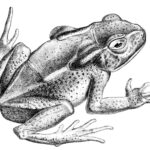
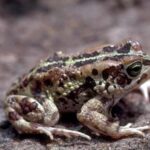
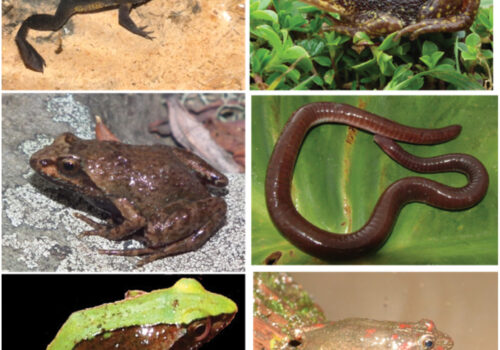
Upon closer inspection, Rhinella casconi reveals several subtle yet defining characteristics. Typically small to medium-sized, adults measure approximately 30–50 millimeters in length; females are generally larger and more robust than males. Their coloration exhibits elegant earth tones—ranging from dark browns to subtle olive shades—complemented by intricate, darker mottling across their textured backs.
Skin texture is a hallmark of this species: its dorsal surface bears numerous prominent yet spherical warts. These small protrusions provide camouflage, blending seamlessly into dappled shadows on the leafy forest floor. From bulging, expressive eyes crowned with a touch of bronze to its sturdy limbs adapted perfectly for hopping across uneven terrain, every feature of Rhinella casconi is perfectly honed for life in this complex ecosystem.
Unique adaptations like concealed poison glands behind the head secrete mild toxins that deter predators—a subtle yet effective evolutionary defense mechanism essential for survival amidst numerous forest predators.
Behavior and Life Cycle#
Secrets of the Night: Behavior and Diet#
Primarily nocturnal, Rhinella casconi emerges from hidden shelters as daylight fades into twilight. Nighttime provides ample opportunities to feed, primarily upon small forest invertebrates such as ants, beetles, mites, and other insects that rummage through the mulch.
Meticulously patient, the toad employs a sit-and-wait strategy for hunting—an energy-conserving adaptation. It remains motionless in prime ambush positions before swiftly flicking out its sticky tongue to secure an unsuspecting meal. This combination of patience and precision demonstrates once more the tightly knit web of survival strategies in the tropical rainforest.
From Egg to Tadpole: Breeding Habits#
After heavy rains saturate the Atlantic Forest, signaling ideal breeding conditions, males frequent temporary breeding pools. Quiet but persistent vocalizations echo gently across these pools—the males’ calls designed to attract nearing females, triggering mating activity.
Female Rhinella casconi produces delicate egg strings, curling them carefully around submerged vegetation and branches. In warm, oxygen-rich waters, embryos rapidly develop, and amid leaf-stained pools, tiny black tadpoles emerge. Over weeks, they undergo a dramatic metamorphosis, eventually leaving the water transformed—miniature adults ready for terrestrial existence in their shady home.
Ecological Role#
In the intricate tapestry of forest life, amphibians play a critical yet often underappreciated ecological role. Rhinella casconi fulfills roles both as predator—helping regulate insect populations—and prey, nourishing creatures higher up in the ecological hierarchy such as birds, snakes, and small mammals.
Their susceptibility to toxins, habitat fragmentation, and climatic instability also positions toads as invaluable environmental indicators. Amphibian populations offer clear insights into habitat health and can warn immediately when ecosystems begin degrading—signaling concern for conservationists before problems escalate further.
Threats and Conservation Status#
Challenges Facing This Elusive Species#
Like many residents of Brazil’s Atlantic Forest, habitat fragmentation constitutes the primary threat confronting Rhinella casconi. Accelerating deforestation driven by human activities such as agriculture, cattle ranching, urban sprawl, and logging continuously compromise the integrity of remaining ecosystems. Fragmentation leads to isolated populations vulnerable to reduced genetic diversity, making this amphibian increasingly sensitive to diseases and climatic shifts.
Though assessments for precise conservation status are ongoing, conservationists advocate strongly that this species likely faces similar threats as those recognized for other Atlantic Forest amphibians. Efforts are presently unfolding to characterise Rhinella casconi‘s distribution accurately and implement targeted conservation actions.
Cultural and Scientific Significance#
Newly identified species often serve symbolic roles, reflecting the hidden vibrancy of biodiversity beneath our very awareness. The discovery of Rhinella casconi provides powerful evidence urging us to reconsider our relationship with nature—reminding communities about undiscovered organisms hidden at the fringes of modern civilization.
Furthermore, bioactive compounds developed within amphibian skin often inspire important pharmaceutical medical research breakthroughs. Though still under exploration, scientists remain hopeful that compounds derived from Brazilian toads may help advance new therapeutic pathways for treating diverse diseases.
Conclusion#
Rhinella casconi exemplifies the extraordinary quantity of undiscovered biodiversity awaiting discovery and protection in tropical rainforest ecosystems. Its remarkable adaptations, hidden behaviors, and delicate ecological balance remind us of the astonishing evolutionary wonders continuously unfolding quietly in the natural world.
Let the gentle call of Rhinella casconi urge each reader toward greater advocacy for conservation. Study local wildlife organizations, support sustainable practices, and remain committed to protecting these biodiverse habitats—that these hidden dwellers, so resilient yet sensitive, will continue thriving beneath the lush canopies of Brazil’s Atlantic Forest.