- Introduction: Meet the Cururu Toad
- Taxonomy and Classification
- Natural Habitat: A Life Amidst Grasslands and Streams
- Physical Characteristics: Adaptations of a Hardy Amphibian
- Behavior and Life Cycle: From Mating Calls to Metamorphosis
- Ecological Role: An Amphibian at the Heart of Ecosystem Balance
- Threats and Conservation Status: Navigating Challenges in the Wild
- Cultural and Scientific Significance: Beyond Biodiversity
- Conclusion: Championing the Cururu Toad's Future
Introduction: Meet the Cururu Toad#
Hidden among the lush grasslands, riverbanks, and humid groves of South America awaits an amphibian as fascinating as it is hardy—the Rhinella schneideri, commonly called the Cururu toad. With its rugged, wart-covered skin and mysterious call echoing on humid nights, this remarkable amphibian invites us on an exploration of its world, full of surprising adaptations and ecological importance.
Scientifically known as Rhinella schneideri, this amphibian belongs to the family Bufonidae, commonly referred to as true toads. Once merged with other close relatives, Rhinella schneideri is today identified as a distinct species with its unique narratives and nuanced significance. As we journey deeper into its habitat and life, we’ll discover why this toad is more than just another amphibian—it’s an integral part of South America’s vibrant biodiversity.
Taxonomy and Classification#
The Cururu toad belongs to the kingdom Animalia, phylum Chordata, and the class Amphibia. Within Amphibia, it belongs to the order Anura, grouping it with all frog and toad species known for their distinctive hopping movements and freshwater-dependent life cycles. More specifically, Rhinella schneideri belongs to the family Bufonidae, characterized by a rough, warty exterior, parotoid glands, and relatively terrestrial habits.
Within the genus Rhinella, many similarly rugged and hardy species occur throughout Central and South America. Rhinella schneideri is closely related to species such as Rhinella marina (the infamous Cane toad). Still, it stands apart in its ecological niche, specific morphological features, and geographic limitations, making it a distinct and fascinating subject of scientific inquiry.
Natural Habitat: A Life Amidst Grasslands and Streams#
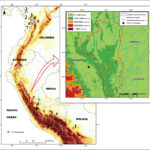
The natural home of Rhinella schneideri spans extensive regions across central and southeastern Brazil, Paraguay, Bolivia, Argentina, and parts of Uruguay. This remarkable amphibian thrives in diverse yet specific landscapes—primarily open grasslands, savannahs (including the iconic Brazilian Cerrado biome), riparian ecosystems, and areas bordering forests.
Unlike certain wet-dwelling species, Rhinella schneideri demonstrates impressive adaptability across both moist and semi-arid environments, provided suitable water bodies persist nearby for reproductive activities. Streams, temporary ponds, and marshy depressions offer vital breeding grounds, where males congregate vehemently at dusk, their throaty calls reverberating through the air, transforming tranquil evenings into vibrant symphonies of nature.
The versatility in habitat choice undoubtedly contributes to the Cururu toad’s widespread distribution. Its resilience is impressive, and its preference for open landscapes interspersed with freshwater access makes this species particularly noteworthy among conservationists monitoring South America’s shifting environmental patterns.
Physical Characteristics: Adaptations of a Hardy Amphibian#
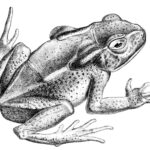
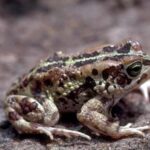
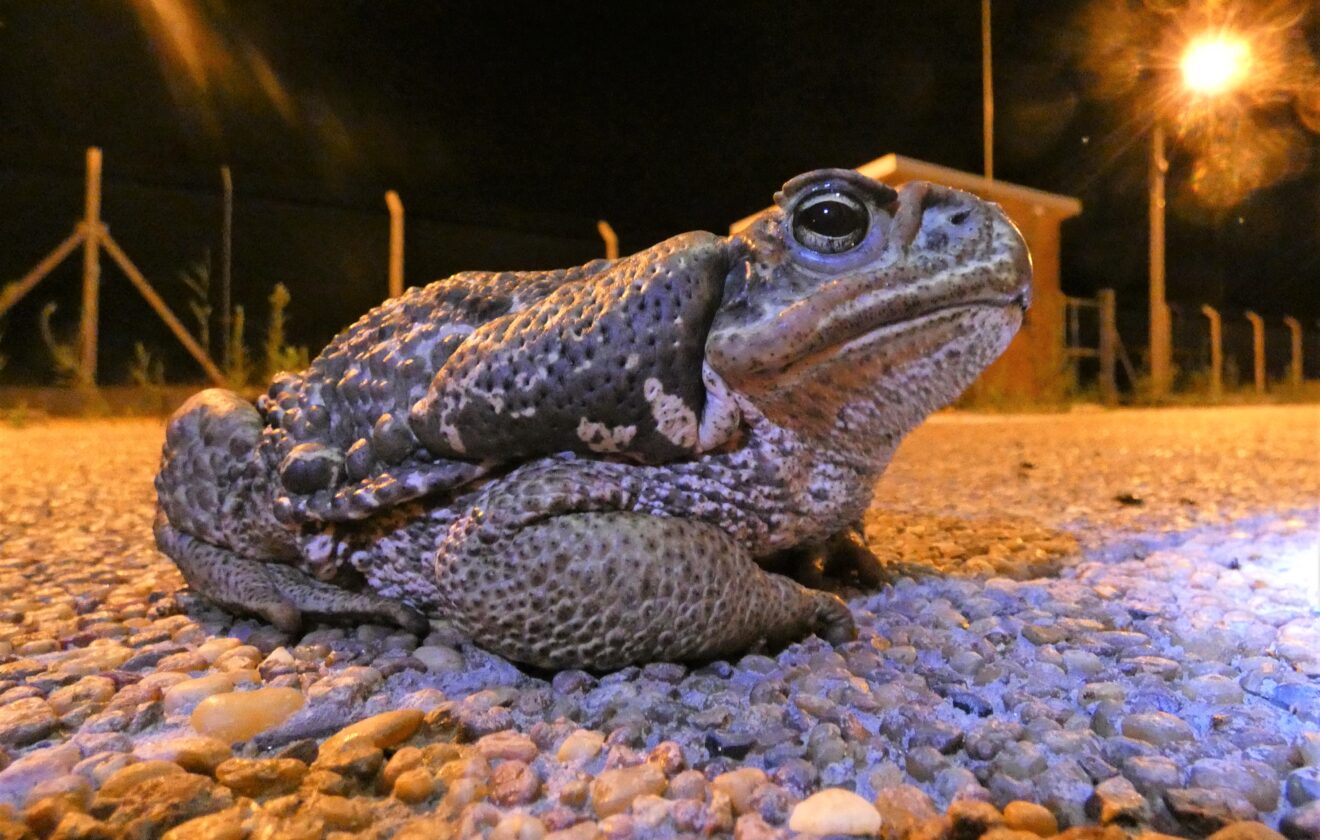
As night descends across grasslands and savannahs, Rhinella schneideri emerges, unmistakable in appearance. Adult individuals present large, robust bodies typically ranging from 10 to 20 centimeters in length, though some individuals have reportedly exceeded this size in optimal conditions. Their imposing size makes them among the most iconic and memorable toad species inhabiting this region of South America.
Covered in thick, wart-ridden skin colored in hues of brown, olive, grey, and occasionally yellowish or reddish undertones, the Cururu toad’s physical attributes contribute significantly to its survival. The rough skin is not ornamental; instead, each wart contains minute glands, producing defensive secretions potentially harmful or irritating to predators.
Perhaps their most prominent distinguishing feature is a pair of sizeable parotoid glands positioned immediately behind their bulging eyes. These glands secrete a milky toxin that acts as their first line of defense, deterring potential predators. Fortunately, this defensive adaptation earns the Cururu toad respect from would-be adversaries, thereby granting relative safety as they roam freely through the nocturnal world.
Behavior and Life Cycle: From Mating Calls to Metamorphosis#
Feeding Habits#
Rhinella schneideri largely hunts by ambush, striking suddenly at unsuspecting insects, spiders, small rodents, earthworms, and other invertebrates that venture too close. The toad’s large mouth swiftly engulfs prey, proving an effective predator in the ecosystem. Their voracious appetite positions them as key pest controllers, greatly benefiting agricultural regions by naturally curbing insect populations.
Breeding and Reproduction#
Breeding typically occurs at the onset of the wet season, coinciding with rainfall-induced flooding and the formation of temporary aquatic habitats. The spectacle is captivating, marked by groups of males gathering in chorus scenes of vigorous vocalizations, filling the nocturnal silence with resonant calls that echo far into the darkness. These distinct croaks attract receptive females, which arrive in response to select suitable and genetically superior mates based on their vocal performance.
Upon pairing, females lay lengthy strings of gelatinous eggs underwater, which males quickly fertilize. These lays can consist of thousands of eggs, ensuring the survival of successive generations despite significant threats of predation at each life stage. Within mere days, tiny tadpoles hatch and begin their perilous journey, feeding primarily on algae and micro-organic matter suspended in their aquatic nursery.
The Remarkable Journey of Transformation#
Metamorphosis marks a critical transitional moment. Over several weeks, fascinating physiological transformations occur—limbs develop, tails are absorbed, and lungs gradually replace gills as breathing apparatus. Eventually, young toadlets emerge triumphantly onto terrestrial habitats, carrying instincts finely honed for survival in their new, land-based environment.
Ecological Role: An Amphibian at the Heart of Ecosystem Balance#
Rhinella schneideri plays a crucial role in regulating local biodiversity. Acting as insect and small prey population control agents, these amphibians offer invaluable ecological services. Similarly, they serve as a vital link within the food web, providing nourishment for various species that have evolved mechanisms to overcome the toad’s toxic defense—an evolutionary arms race elegantly sustained over millennia.
Furthermore, amphibians like Rhinella schneideri serve as valuable bio-indicators. Due to their permeable skin and reliance on both aquatic and terrestrial habitats, the health and behavior of toad populations can accurately reflect overall environmental conditions, alerting scientists to potential threats that might not otherwise be immediately apparent.
Threats and Conservation Status: Navigating Challenges in the Wild#
Thankfully, the Cururu toad currently holds a “Least Concern” status on the IUCN Red List due to resilience, high adaptability, and extensive geographic distribution. Nevertheless, emerging threats pose serious long-term challenges—deforestation for agricultural expansion, urbanization, habitat fragmentation, pollution, and the prevalence of fungal pathogens like Batrachochytrium dendrobatidis (chytrid fungus) represent significant concerns.
Comprehensive conservation strategies include local education on ecological stewardship, habitat restoration initiatives, pollution control measures, and vigilant monitoring to detect adverse shifts in amphibian populations promptly.
Cultural and Scientific Significance: Beyond Biodiversity#
For indigenous peoples and rural communities throughout its range, the Cururu toad holds important cultural symbolism. Folktales convey lessons of patience, resilience, and adaptation, with Rhinella schneideri prominently figuring in local tradition and mythological storytelling.
Scientifically, research involving Rhinella schneideri has offered insights into amphibian immune systems, development, and adaptation mechanisms. Its defensive toxins, studied for potential pharmacological application, provide leads into novel medications for human use.
Conclusion: Championing the Cururu Toad’s Future#
Rhinella schneideri fascinates not merely through its unique ecological adaptations, fascinating behaviors, and scientific significance—this extraordinary species symbolizes nature’s endurance, balance, and interwoven complexities.
By understanding and appreciating its role in our shared ecosystem, we empower conservation efforts, promoting healthier environments benefiting humans, wildlife, and biodiversity at large. To safeguard the incredible Cururu toad is to ensure a flourishing South American ecosystem—advocating now secures the vibrant songs and intricate stories of Rhinella schneideri for future generations.