- Peltophryne gundlachi: Discovering Cuba's Enigmatic Island Toad
- Taxonomy and Classification of Peltophryne gundlachi
- Understanding the Natural Habitat
- Physical Characteristics and Adaptations
- Behavior and Life Cycle of Peltophryne gundlachi
- Ecological Significance within Cuban Forests
- Conservation Status and Threats
- Cultural and Scientific Connections in Cuba
- Conclusion: Protecting an Irreplaceable Living Legacy
Peltophryne gundlachi: Discovering Cuba’s Enigmatic Island Toad#
Amid the lush forests and humid lowlands of Cuba, nestled beneath layers of verdant foliage, hides an amphibian marvel whose existence whispers quiet stories of ecological balance and evolutionary intrigue—the Gundlach’s Caribbean Toad, scientifically known as Peltophryne gundlachi. Named after pioneering Cuban naturalist Dr. Juan Cristóbal Gundlach, this remarkable amphibian remains largely unknown outside scholarly circles and conservationists, yet its humble presence plays a significant role within Cuba’s delicate ecosystem. This article will explore the captivating natural history, obscure behaviors, and the looming conservation challenges facing this captivating Caribbean creature.
Taxonomy and Classification of Peltophryne gundlachi#
Belonging to the family Bufonidae, commonly known as true toads, Peltophryne gundlachi is a member of a distinctive genus of Caribbean toads that have intrigued herpetologists worldwide for their restricted geographic distributions and notable evolutionary adaptations. The genus Peltophryne encompasses a mere handful of unique species, each adapted to very specific conditions on various islands throughout the Greater Antilles. Within this exclusive group, Gundlach’s Caribbean Toad occupies a fascinating niche, offering valuable insights into island biogeography and evolutionary biology.
Scientifically described by Wilhelm Peters in 1863, it is most closely related to other Peltophryne species occupying similar Caribbean niches, notably dwelling in forested habitats and adapting distinctly to their local environments. Understanding the connections between these species can unlock information about how life colonized the Caribbean islands, survived isolation, and diversified into uniquely adapted forms.
Understanding the Natural Habitat#
A Creature of Cuba’s Lush Forests and Rocky Lowlands#
Peltophryne gundlachi represents a remarkable example of island endemism, inhabiting habitats exclusively within Cuba. The species is predominantly found in lowland forests, moist tropical woodlands, plantations, scrublands, rocky karst terrains, and even human-altered environments with sufficient cover and moisture. Although highly adaptive and resilient in these varied situations, it especially favors areas of dense leaf litter coupled with limestone substrates, which provide not only refuge from predators but critical avenues for shelter against desiccation.
To truly appreciate its habitat is to walk silently through Cuba’s subtropical woods at dusk, where silvery moonlight filters through dense canopies, illuminating glistening leaves bejeweled by evening rain. Below those illuminated leafy layers, amidst decaying vegetation and fissured limestone formations, Gundlach’s Caribbean Toad embarks on its quiet twilight endeavors. Interlinked with this ecological tapestry, these toads play a vital role in controlling insect populations, thereby maintaining a delicate ecological equilibrium.
Physical Characteristics and Adaptations#
A Master of Camouflage and Survival#
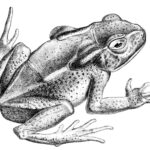
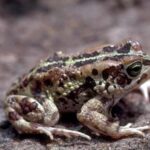
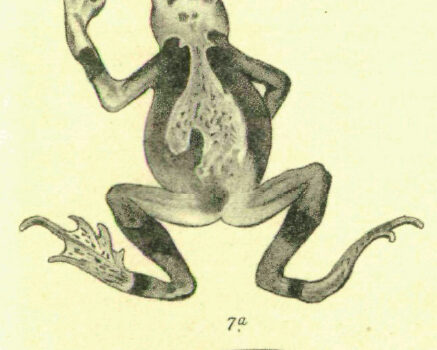
The Gundlach’s Caribbean Toad possesses distinctive morphological traits finely tuned to its mysterious lifestyle. Adults typically reach sizes between six to nine centimeters, with females generally larger than males. Its robust build, defined by a thick-set body and short limbs, hints at a lifestyle closely linked to terrestrial habitats. This compact physique is further complemented by rough, warty skin—a trait characteristic of true toads—providing excellent camouflage among leaf litter and rocky substrates.
The coloration of Peltophryne gundlachi exemplifies evolutionary artistry. Ranging in earthy shades of brown, olive, grey, and bronze, the toad’s skin subtly blends with the Cuban forest floor, seamlessly hiding it from potential predators. Flecked patterns and sparse dark spotting adorn its dorsal surface, further breaking up its outline, resembling lichen-covered rocks or leaf shadows in dappled forest understories.
An examination of its cranial structure reveals pronounced parotoid glands situated behind each eye. These glands hold a potent defense strategy—bufotoxins—which deter predators by releasing a distasteful or toxic secretion when threatened, thereby increasing their chances of survival within forest ecosystems teeming with hungry predators.
Behavior and Life Cycle of Peltophryne gundlachi#
Hidden Lives Revealed After Dusk#
The daily rhythms and annual life cycles of Gundlach’s Caribbean Toad have been shaped profoundly by their subtropical climate. Primarily nocturnal, these cryptic amphibians alertly rest beneath leaf litter, logs, or in rock crevices during daylight hours. However, with dusk’s descent and the cooling evening air, they emerge, driven by the primal instinct to feed and to reproduce.
As opportunistic predators, their menu primarily consists of insects, arachnids, beetles, ants, and other small arthropods roaming across the lush forest floor. Using keen eyesight adapted to dim light conditions, toads patiently stalk or sit motionless until prey is close enough to launch a rapid strike with their adhesive tongue. This distinctly energy-efficient ambush technique ensures their successful survival in a competitive food web.
A Delicate Dance of Courtship and Breeding#
Following seasonal rains in Cuba, which usually occur from late spring throughout summer months, the forest air resonates with the low, resonant calls of males diligently seeking partners. Congregating near temporary forest pools and slow-moving brooks, the males’ collective croaks form a soft symphony of amphibian romance vocals, crucial in guiding females to breeding sites.
When female toads arrive, pairing occurs through amplexus, with the male gripping the female’s back to fertilize eggs externally as she deposits strands of gelatinous eggs into shallow, guarded waters, rich in nutrients and relatively protected from rapid evaporation or predation. The nurturing pools soon teem with tiny tadpoles, initially herbivorous or detrivorous, gradually metamorphosing through weeks into miniature replicas of their parents—ready for the terrestrial life and the challenges it would entail.
Ecological Significance within Cuban Forests#
The presence of this discreet yet ecologically pivotal toad serves as a critical biological barometer, reflecting the health of its forest and aquatic habitat. By regulating insect populations and providing prey for larger predators and birds, Peltophryne gundlachi forms a vital cog within its calibrated ecological machinery. Furthermore, their sensitivity to environmental disturbances such as pollution, habitat fragmentation, and climate fluctuations makes their status a valuable indicator to conservationists seeking clues about the habitat’s overall well-being.
Conservation Status and Threats#
An Island Amphibian Facing Modern Challenges#
The International Union for Conservation of Nature (IUCN) currently classifies Peltophryne gundlachi as Least Concern, suggesting relative abundance and stability—for the time being. However, its limited geographic range presents inherent vulnerabilities, as localized events can significantly affect populations. Among principal threats identified are habitat destruction due to agricultural expansion, urban development, pollution, and invasive species, which collectively compromise its precariously balanced ecosystems. Climate change-induced shifts in precipitation patterns further endanger the seasonal pools essential for reproduction. Conservationists advocate increased vigilance and sustainable practices within Cuba’s natural regions to preserve this fascinating amphibian.
Cultural and Scientific Connections in Cuba#
The scientific significance and cultural relevance of Gundlach’s Caribbean Toad extend beyond mere ecological considerations. Named in homage to one of Cuba’s earliest and most influential naturalists, Dr. Juan Cristóbal Gundlach, this toad symbolizes a connection between Cuba’s natural heritage and its scientific legacy. Cuban cultural narratives often recognize amphibians as symbols of resilience and biodiversity, deepening appreciation for conservation through their presence and survival in challenging island ecosystems. Scientifically, research involving these amphibians can shed vital light on evolutionary biology, island biogeography, and conservation strategies crucial to understanding broader global patterns.
Conclusion: Protecting an Irreplaceable Living Legacy#
As we journey through the hidden world of Peltophryne gundlachi, we gain deeper appreciation for the intricate threads connecting ecosystems, evolution, and our own responsibility to protect these remarkable creatures. To safeguard this Cuban natural treasure—Gundlach’s Caribbean Toad—and the diverse environments it calls home, we must prioritize awareness, responsible environmental stewardship, and support proactive conservation measures.
Together, our collective curiosity and concern can help ensure these enchanting Caribbean amphibians continue serenading future Cuban forests, preserving an invaluable chapter within Earth’s complex, living tapestry.